Monday, February 10, 2025

Last Titles Won By Cities, as of Super Bowl LIX

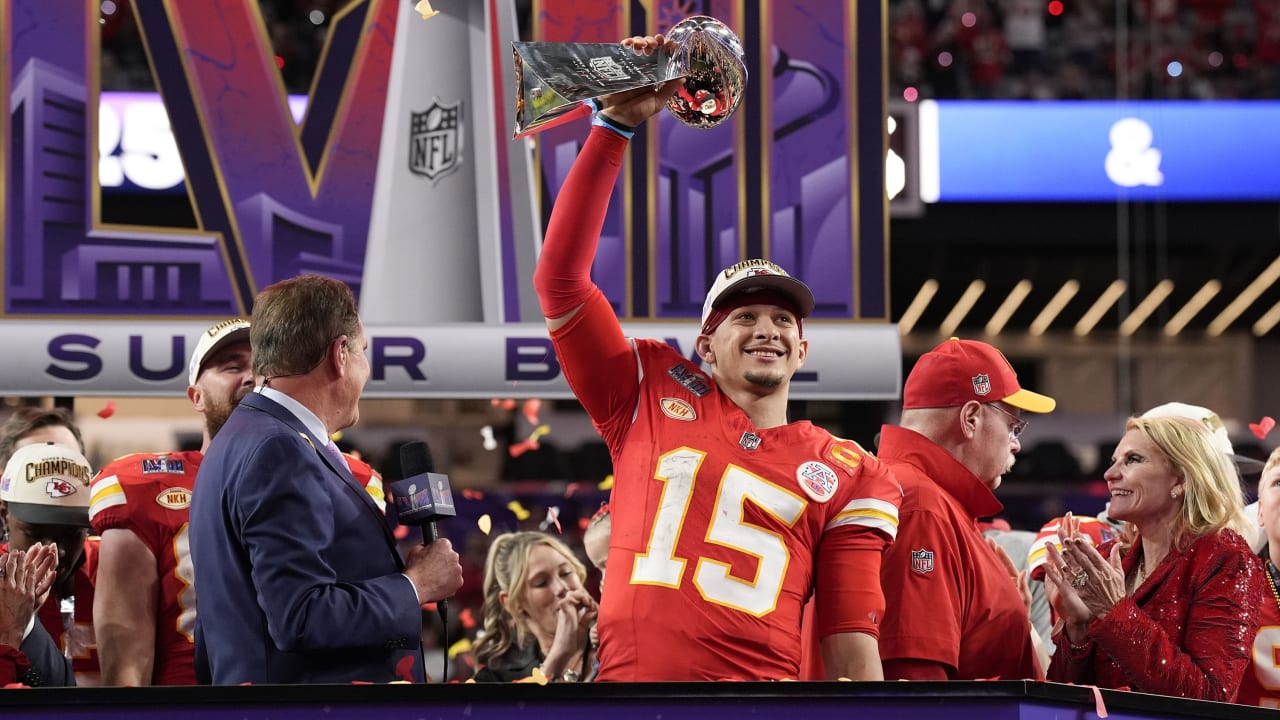
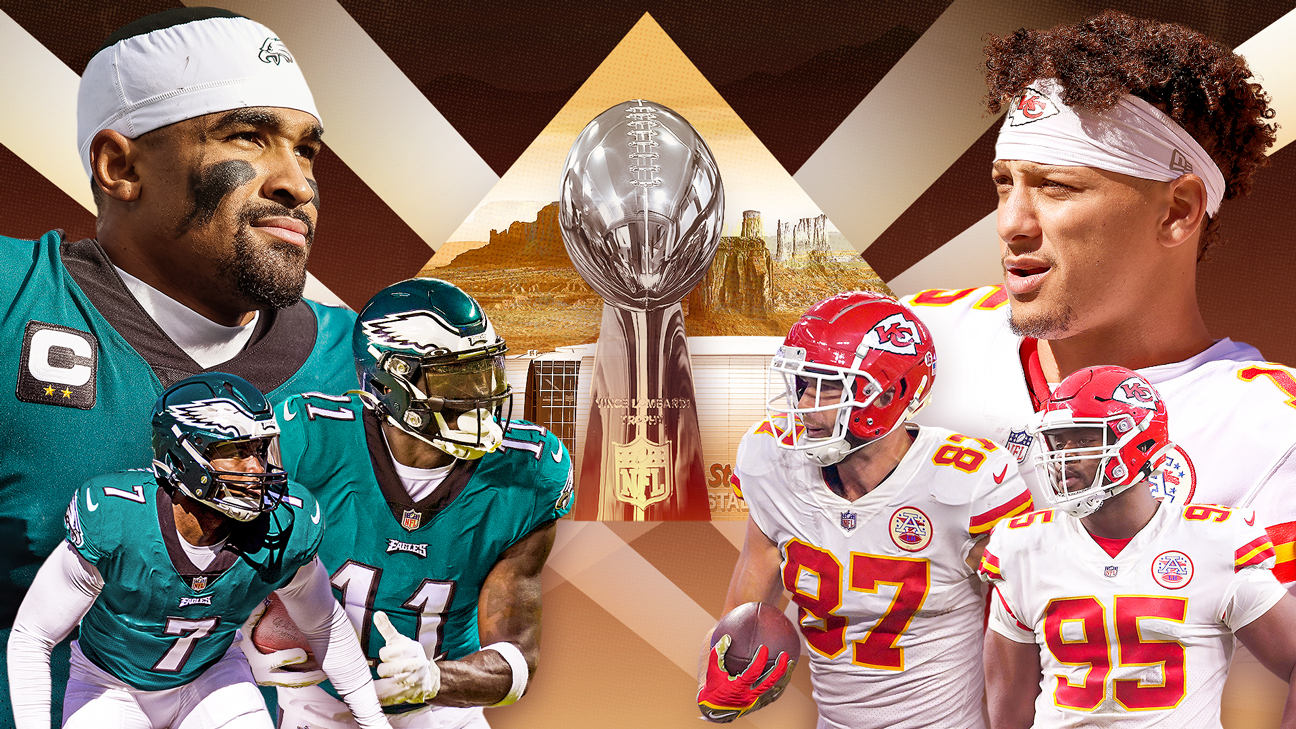
The Philadelphia Eagles are World Champions. They beat the Kansas City Chiefs, 40-22 in Super Bowl LIX at the Superdome in New Orleans, Louisiana. It had been 34-0, before the Chiefs mounted a comeback that was too little, too late.

The Eagles were absolutely dominant. The Chiefs had been the best team in football in the last 6 seasons, but all that fine performance -- and all that good luck -- seemed to even out in one night.

This was the 5th NFL Championship for the Eagles, who also won for the seasons of 1948, 1949, 1960 and 2017, winning Super Bowl LII on February 4, 2018. A previous Philadelphia-based team, the Frankford Yellow Jackets, won the NFL Championship in 1926.

*

When did your city last win a World Championship, in one of the "big four" sports in North America? Note that this doesn't include Canadian teams, as, then, we would have to include the CFL.

1. Philadelphia: 2025 Eagles, Super Bowl.
2. Los Angeles: 2024 Dodgers, World Series.
3. Miami: 2024 Florida Panthers, Stanley Cup.
4. New England: 2024 Celtics, NBA Champions.
5. Kansas City: 2024 Chiefs, Super Bowl.
6. Dallas: 2023 Texas Rangers, World Series.
7. Las Vegas: 2023 Vegas Golden Knights, Stanley Cup.
8. Colorado: 2023 Denver Nuggets, NBA Champions.
9. Houston: 2022 Astros, World Series.
10. San Francisco Bay Area: 2022 Golden State Warriors, NBA Champions.
11. Winnipeg: 2021 Blue Bombers, Grey Cup Champions.
12. Atlanta: 2021 Braves, World Series.
13. Tampa Bay: 2021 Lightning, Stanley Cup.
14. Wisconsin: 2021 Milwaukee Bucks, NBA Champions.
15. Washington: 2019 Nationals, World Series.
16. St. Louis: 2019 Blues, Stanley Cup.
17. Pittsburgh: 2017 Penguins, Stanley Cup.
18. Chicago: 2016 Cubs, World Series.
19. Cleveland: 2016 Cavaliers, NBA Champions.
20. San Antonio: 2014 Spurs, NBA Champions.
21. Seattle: 2014 Seahawks, Super Bowl.
22. Baltimore: 2013 Ravens, Super Bowl.
23. New York Tri-State Area: 2012 Giants, Super Bowl.
24. New Orleans: 2010 Saints, Super Bowl.
25. Detroit: 2008 Red Wings, Stanley Cup.
26. Indiana: 2007 Indianapolis Colts, Super Bowl.
27. Carolina: 2006 Carolina Hurricanes, Stanley Cup
28. Arizona: 2001 Arizona Diamondbacks, World Series.
29. Minnesota: 1991 Minnesota Twins, World Series.
30. Cincinnati: 1990 Reds, World Series.
31. Portland: 1977 Trail Blazers, NBA Champions.
32. Western New York: 1955 Syracuse Nationals, NBA Champions.
33. San Diego: Never, 1 current and 1 former team are 0-3 in Finals.
34. Tennessee: Never, 3 teams are 0-2 in Finals.
35. Orlando: Never, 1 team is 0-2 in Finals.
36. Utah: Never, 1 team is 0-2 in Finals.
37. Oklahoma: Never, 1 team is 0-1 in Finals.
38. Columbus: Never, 1 team has never reached Finals since expansion into existence.
39. Jacksonville: Never, 1 team has never reached Finals since expansion into existence.
40. Sacramento: Never, 1 team has never reached Finals since moving there.

*

However: If you do count the CFL, the WNBA, MLS and the NWSL:

1. Philadelphia: 2025 Eagles, Super Bowl.
2. Toronto: 2024 Argonauts, Grey Cup Champions.
3. Los Angeles: 2024 Dodgers, World Series.
4. Orlando: 2024 Orlando Pride, NWSL Champions.
5. Miami: 2024 Florida Panthers, Stanley Cup.
6. New England: 2024 Celtics, NBA Champions.
7. Kansas City: 2024 Chiefs, Super Bowl.
8. Columbus: 2023 Columbus Crew, MLS Champions.
9. Montreal: 2023 Alouettes, Grey Cup Champions.
10. Dallas: 2023 Texas Rangers, World Series.
11. New York Tri-State Area: 2023 NYNJ Gotham FC, NWSL Champions.
12. Las Vegas: 2023 Las Vegas Aces, WNBA Champions.
13. Colorado: 2023 Denver Nuggets, NBA Champions.
14. Houston: 2022 Astros, World Series.
15. Portland: 2022 Portland Thorns, NWSL Champions.
16. San Francisco Bay Area: 2022 Golden State Warriors, NBA Champions.
17. Atlanta: 2021 Braves, World Series.
18. Tampa Bay: 2021 Lightning, Stanley Cup.
19. Wisconsin: 2021 Milwaukee Bucks, NBA Champions.
20. Chicago: 2021 Sky, WNBA Champions.
21. Washington: 2021 Washington Spirit, NWSL Champions.
22. Seattle: 2020 Storm, WNBA Champions.
23. Carolina: 2019 North Carolina Courage, NWSL Champions.
24. St. Louis: 2019 Blues, Stanley Cup.
25. Calgary: 2018 Stampeders, Grey Cup Champions.
26. Minnesota: 2017 Minnesota Lynx, WNBA Champions.
27. Pittsburgh: 2017 Penguins, Stanley Cup.
28. Ottawa: 2016 Redblacks, Grey Cup Champions.
29. Western New York: 2016 Western New York Flash (Rochester), NWSL Champions.
30. Cleveland: 2016 Cavaliers, NBA Champions.
31. Edmonton: 2015 Eskimos (team now named Elks), Grey Cup Champions.
32. Arizona: 2014 Phoenix Mercury, WNBA Champions.
33. San Antonio: 2014 Spurs, NBA Champions.
34. Saskatchewan: 2013 Saskatchewan Roughriders, Grey Cup Champions.
35. Baltimore: 2013 Ravens, Super Bowl.
36. Indiana: 2012 Indiana Fever, WNBA Champions.
37. Vancouver: 2011 B.C. Lions, Grey Cup Champions.
38. New Orleans: 2010 Saints, Super Bowl.
39. Utah: 2009 Real Salt Lake, MLS Champions.
40. Detroit: 2008 Shock, WNBA Champions.
41. Sacramento: 2005 Sacramento Monarchs, WNBA Champions.
42. Hamilton: 1999 Tiger-Cats, Grey Cup Champions.
43. Cincinnati: 1990 Reds, World Series.
44. Oklahoma: 1983 Tulsa Roughnecks, North American Soccer League Champions.
45. San Diego: Never, 1 current and 1 former team are 0-3 in Finals.
46. Tennessee: Never, 3 teams are 0-2 in Finals.
47. Austin: Never, their only team is an MLS expansion team.
48. Louisville: Never, their only team is a NWSL expansion team.
49. Jacksonville: Never, 1 team has never reached Finals since expansion into existence.

Sunday, February 9, 2025

February 9, 1825: The Corrupt Bargain

Left to right: Henry Clay, John Quincy Adams, Andrew Jackson

October 26, 1824: Andrew Jackson finishes 1st in the Presidential election, both in the popular vote and in the Electoral Vote. But he doesn't get a majority of either: The Electoral Vote goes 99 for Jackson, America's greatest living military hero and a servant of Tennessee in both houses of Congress; 84 for John Quincy Adams, the Secretary of State to outgoing President James Monroe and the son of President John Adams; 41 for William H. Crawford, then Secretary of War; and 37 for Henry Clay, then the Speaker of the House of Representatives.

According to the Constitution of the United States, this throws the election into said House. This had happened only once before, in 1800, when John Adams lost, but it wasn't clear as to whom: Thomas Jefferson and Aaron Burr finished in a tie, and the House chose Jefferson.

February 9, 1825, 200 years ago today: The election is held. Crawford dropped out due to ill health, but didn't throw his support to anyone. Clay knew he didn't have a chance, and that he didn't like either remaining man. But he at least trusted Adams, and despised Jackson. So he threw his support to Adams, who won, 87-74, making him the 6th President of the United States.

Adams then appointed Clay to be his Secretary of State. At the time, this, rather than the Vice Presidency, was tantamount to being chosen as heir apparent. Adams had served as Secretary of State under Monroe, Monroe had so served James Madison, Madison had so served Jefferson, and Jefferson had so served George Washington, though was not his immediate successor.

Jackson and his supporters cried foul: The term "corrupt bargain" entered the American lexicon.

But despite his anger, Jackson did the right thing: Instead of acting like an ass, like Donald Trump did, he went home, and said little, and let his supporters paint him as the wronged man. This allowed him to remake the Democratic-Republican Party, whose members had usually called themselves "Republicans" to this point, as the Democratic Party, and to paint himself as the reasonable alternative, provided that Adams' Presidency did not go well.

It didn't. By most standards, Adams' Presidency was a disaster. He called for an ambitious agenda that included federally funded infrastructure projects, the establishment of a national university, and engagement with the countries of Latin America, but Congress refused to pass many of his initiatives. With other countries, he may have been the greatest diplomat America has ever had; with Congress, diplomacy did him no good. Sadly, both traits were inherited from his father.

Jackson rode a wave of popular frenzy, and won the rematch in 1828. This was despite a very dirty campaign, in which both he and his wife were libeled. Rachel Jackson died between the election and the Inauguration, and "Old Hickory" swore revenge against his enemies, thinking them responsible.

His 1st term was dominated by "The Petticoat Affair." Led by Floride Calhoun, wife of Vice President John C. Calhoun, the wives of Jackson's Cabinet members socially ostracized Secretary of War John Eaton and his wife, Peggy Eaton. Their private history, to put it politely, resembled that of Andrew and Rachel Jackson.

Thinking of Rachel, Jackson took the Eatons' side. Hoping to quell the controversy, Secretary Eaton resigned in 1831, and Jackson ended up firing and replacing every other member of his Cabinet -- except for his Secretary of State, who was a widower, and had stood up for the Eatons. His name was Martin Van Buren. In 1832, running for re-election, Jackson dumped Calhoun from the ticket, and got Van Buren nominated for Vice President. They overwhelmingly beat Clay in the election. Jackson later appointed Eaton to be Military Governor of Florida and U.S. Minister to Spain. Clay would run for President again in 1844, losing for a 3rd time, to James K. Polk.

One unintended consequence of all this: Jackson's 2nd Attorney General, and later his 4th Secretary of the Treasury, was Roger Taney. In 1836, Jackson appointed him Chief Justice of the U.S. Supreme Court. In 1857, in Dred Scott v. Sandford, Taney ruled that black people were not American citizens, even if born free. Taney died before the abolition of slavery.

But the Taney appointment might not be Jackson's worst decision. In 1830, he signed the Indian Removal Act, which displaced tens of thousands of Native Americans from their ancestral homelands east of the Mississippi, and resulted in thousands of deaths. It was a horrible thing to do, and Native Americans have hated him ever since. Some won't take a $20 bill, because his picture is on it. They'll take two tens, or four fives, or a ten and two fives, or even twenty singles, but not a twenty.

It's worth mentioning, though, that, at the time, while the Indian Removal Act was opposed by such Congressional figures as Clay and Jackson's Tennessee rival, David Crockett (despite his status as a folk hero thanks to a 1950s TV show, he was never called "Davy" in his lifetime), nobody came up with a better idea. And Jackson's justification was that, had the Natives stayed, they would have been wiped out by white men, anyway. There was no good answer, including doing nothing.

Jackson faced a challenge to the integrity of the federal union when South Carolina threatened to nullify a high protective tariff set by the federal government. Jackson threatened the use of military force to enforce the tariff, but the crisis was defused when the tariff was amended.

In 1832, he vetoed a bill by Congress to reauthorize the Second Bank of the United States, correctly arguing that it was a corrupt institution. In 1835, Jackson became the only President to pay off the national debt, and the 1st to survive an assassination attempt. When he left office after 2 terms on March 4, 1837, he was still immensely popular, but also widely hated. And he still was both when he died on June 8, 1845.

Four different men who held the Presidency have called Jackson their favorite President: Franklin Roosevelt, Harry Truman, Lyndon Johnson and Donald Trump. Trump put a portrait of Jackson in the Oval Office. It was suggested that he did so because Jackson was a fellow racist.

What would Jackson have thought of Trump? A big businessman? A dealer with big banks? A draft dodger? A man who treated his wives badly? A crook? A traitor? When he left office, Jackson was asked if he had any regrets. He said, "I regret I was unable to shoot Henry Clay or to hang John C. Calhoun." The distinction being that he considered Clay a common criminal, worthy of being shot; and Calhoun a traitor, where the traditional penalty is hanging.

Many locations in America have been named for Jackson, including the capital of Mississippi; Jacksonville, the largest city (but not the seat of the largest metropolitan area) in Florida; a city in Tennessee, whose name became the title of a hit song by country music legends June Carter & Johnny Cash; the town in Ocean County, New Jersey, where Six Flags Great Adventure, one of the country's leading theme parks, is located, including a frontier theme that Jackson himself might have appreciated; and Jackson Heights, a neighborhood in Queens, New York City. Counties in 21 States have been named for him, including in Missouri, which also has a Hickory County, named for his nickname.

New York City has a high school and an elementary school named for Jackson. Oddly, neither is in Jackson Heights: The high school is in Cambria Heights, and the public school is in Flushing. There are also Andrew Jackson High Schools in Miami and, as you might expect, in Jacksonville, Florida; and in his home State of South Carolina, in Kershaw, in the Waxhaws from whence he came.

The USS President Jackson was an attack transport that served the U.S. Navy from 1941 to 1955. The USS Andrew Jackson was a submarine, in service from 1963 to 1989. A Jackson Highway ran from Chicago to New Orleans, although it has mostly been phased out.

Among the actors who have played Jackson: Lionel Barrymore twice, in The Gorgeous Hussy in 1936, with Joan Crawford as Peggy Eaton, and Lone Star in 1952; Hugh Sothern in The Buccaneer, a film about the Battle of New Orleans and the pirate Jean Lafitte, in 1938; Brian Donlevy in The Remarkable Andrew in 1942; Charlton Heston twice, in The President's Lady in 1953, with Susan Hayward as Mrs. Eaton, and in a 1958 remake of The Buccaneer; Basil Ruysdael in Davy Crockett, King of the Wild Frontier in 1955; Wesley Addy in The Adams Chronicles in 1976; and Kris Kristofferson in Texas Rising in 2015.

In 2008, Michael Friedman created the musical Bloody Bloody Andrew Jackson, a comedic look at the man and the myth. It reached Broadway in 2010, starring Benjamin Walker, who would double down in 2012, taking the title role in the film Abraham Lincoln: Vampire Hunter.

Jackson's portrait has appeared on the $20 bill since 1928. Since 2016, there has been a plan to replace him on the bill with abolitionist Harriet Tubman. It hasn't happened yet.

Saturday, February 8, 2025

What Is a "Dynasty," In Sports?

The official 1990-91 record book for the NHL, published at the start of the season, had a special section on "dynasties." They defined "dynasty" as follows: 3 straight Stanley Cups, or 4 out of 5, or, to cover the one then just completed, that of the Edmonton Oilers, 5 out of 7.

That definition was good enough for me then. I'll extend it a little now, and say that 4 out of 6 qualifes.

Tomorrow, the Kansas City Chiefs will attempt to become only the 4th team to win 3 straight NFL Championships, the 2nd to win 3 straight NFL Championship Games under any name, and the 1st to do so since the name "Super Bowl" began to be used. The Philadelphia Eagles stand in their way.

Here goes:

Baseball

1. 1872-78 Boston Red Stockings: 6 out of 8 World Championships, as that was then defined. That's 4 straight Pennants in the National Association, 1872-75; missing 1876; then 2 straight in the National League, 1877-78. This is the franchise now known as the Atlanta Braves.

2. 1880-82 Chicago White Stockings, 3 straight World Championships. This is the franchise now known as the Chicago Cubs.

Just missed: 1885-88 St. Louis Browns: 4 straight Pennants in the American Association, but won the World Championship only in the 1st 2, losing in the last 2. This is the franchise now known as the St. Louis Cardinals.

3. 1891-93 Boston Beaneaters: 3 straight World Championships. Same team as 1, now the Braves.

4. 1894-96 Baltimore Orioles: 3 straight World Championships. Despise this success, they went out of business after the 1899 season, and have no connection to the current team of the same name.

Just missed: 1901-03 Pittsburgh Pirates. Losing the 1st World Series, in 1903, cost them.

Just missed: 1906-08, and 1906-10, Chicago Cubs. 3 straight Pennants, and 4 out of 5, but 2-2 in World Series play.

Just missed: 1910-14 Philadelphia Athletics. 4 Pennants in 5 years, but 3-1 in World Series play.

Just missed: 1912-18 Boston Red Sox: 4 out of 7 is close, but not quite there.

Just missed: 1921-23 New York Yankees: 3 straight Pennants, but 1-2 in World Series play.

Just missed: 1921-24 New York Giants: 4 straight Pennants, but 2-2 in World Series play.

Just missed: 1926-28 New York Yankees: 3 straight Pennants, but 2-1 in World Series play. It could be extended to 1921-28: 6 Pennants in 8 years, but 3-3 in World Series play.

Just missed: 1929-31 Philadelphia Athletics: 3 straight Pennants, but losing Game 7 of the 1931 World Series cost them.

5. 1936-39 New York Yankees: 4 straight World Series. If you want to extend it to 1936-43, that's 8 seasons, 7 Pennants, and 6 World Series.

Just missed: 1942-46 St. Louis Cardinals: 4 Pennants and 3 World Series wins in 5 seasons.

6. 1949-53 New York Yankees: 5 straight World Series. Never done before, never done since. If you want to extend it, 1947-64: 16 seasons, 13 Pennants, 10 World Series wins.

Just missed: 1959-66 Los Angeles Dodgers: 4 Pennants and 3 World Series wins in 8 seasons.

Just missed: 1966-71 Baltimore Orioles: 4 Pennants and 2 World Series wins in 6 seasons.

Just missed: 1970-76 Cincinnati Reds: 4 Pennants and 2 World Series wins in 7 seasons. This team often gets talked about as the greatest of all time, especially the back-to-back titles of 1975 and '76. But it wasn't as good as the Baltimore team that beat them in the 1970 World Series, must less the Oakland team that beat them in the 1972 edition.

7. 1972-74 Oakland Athletics: 3 straight World Series. They are the only franchise other than the Yankees ever to do it. If you want to extend it to 1971-75, that's 5 straight Division titles, but no other Pennants. Sadly, the franchise's owner has now abandoned Oakland.

Just missed: 1976-81 New York Yankees: 5 Division titles, 4 Pennants and 2 World Series wins in 6 seasons.

Not even close: 1984-90 New York Mets: 7 seasons, just 2 Division titles, 1 Pennant, 1 World Series win. As Michael Wilbon would say on ESPN's Pardon the Interruption, "Dynasty of One."

Just missed: 1988-92 Oakland Athletics: 4 Division titles, including 3 straight Pennants, in 5 seasons, but only 1 World Series win.

Just missed: 1991-93 Toronto Blue Jays: 3 straight Division titles, and 2 World Series wins. But they had already been broken up in 1994, before the strike hit.

Just missed: 1991-99 Atlanta Braves: 9 seasons, 8 Division titles, and 5 Pennants, but just 1 World Series win, in 1995.

8. 1998-2000 New York Yankees: 3 straight World Series. If you extend it to 1996-2003, that's 8 seasons, 7 Division Titles, 6 Pennants and 4 World Series.

Just missed: 2010-14 San Francisco Giants: 3 World Series wins in 5 years.

Just missed: 2017-22 Houston Astros: 6 seasons, 4 Pennants, 2 World Series wins.

Just missed: 2017-24 Los Angeles Dodgers: 8 seasons, 4 Pennants, 2 World Series wins. They could add to this total.

Football

1. 1922-24 Canton/Cleveland Bulldogs: 3 straight NFL Championships. This was the original, single-division version of the NFL that ran from 1920 to 1932. This team moved from the smaller city of Canton to the nearby larger city of Cleveland for the 1924 season, then moved back to Canton for 1925, then were moved to become the Detroit Wolverines in 1929, and then went out of business.

2. 1929-31 Green Bay Packers: 3 straight NFL Championships. Unofficially, the 1st NFL Championship Game was played the next season; officially, the season after that.

Just missed: 1940-46 Chicago Bears: 4 NFL Championships in 7 years. I'm tempted to say this one counts, because the 1944 and '45 seasons were depleted due to the manpower drain of World War II, which would make it 4 out of 5, and nearly 5 straight as they were undefeated in 1942 before losing the NFL Championship Game to the Washington Redskins, having beaten the Redskins in the title game in 1940 (73-0!) and 1943. But, strictly speaking, the Monsters of the Midway just miss.

Just missed: 1947-49 Philadelphia Eagles: 3 straight NFL Championship Games, but lost the 1st of them.

Just missed: 1950-55 Cleveland Browns: 3 NFL Championships in 5 years. They won the title in all 4 seasons of the All-America Football Conference, 1946-49; and made 10 straight league championship games, 1946-55, winning 7. But the AAFC was not a major league. The Browns would make their point in the NFL, but fall a little short of dynasty status.

Just missed: 1952-57 Detroit Lions: 3 NFL Championships in 6 years, plus one other Championship Game appearance.

3. 1965-67 Green Bay Packers: 3 straight NFL Championships, including the 1st 2 Super Bowls. If you extend it to 1961-67, that's 5 World Championships in 7 seasons.

Just missed: 1971-73 Miami Dolphins: 3 Super Bowls, but won only 2.

4. 1974-79 Pittsburgh Steelers: 4 Super Bowl wins in 6 seasons.

Just missed: 1981-89 San Francisco 49ers: 4 Super Bowls in 9 seasons, including, 1984-89, 3 in 6.

A bit short of a "just missed," but I want to mention them, anyway: 1982-91 Washington Redskins, 3 Super Bowl wins and 1 other appearance in 10 seasons.

Not even close: 1984-90 Chicago Bears: 7 seasons, 6 Division titles, 3 NFC Championship Games, 1 trip to the Super Bowl, winning it. Wilbon, a Chicago native who loved that team, has to concede that, like the 1980s Mets, Da Bears of the 1980s were a "Dynasty of One."

Just missed: 1992-95 Dallas Cowboys: 3 Super Bowls in 4 seasons.

Just missed: 2001-04 New England Patriots: 3 Super Bowls in 4 seasons. Had they completed the 19-0 season for 2007, that would have been 4 out of 7, and still wouldn't have qualified under these parameters.

Just missed: 2015-19 New England Patriots: 3 Super Bowls in 5 seasons. Had they beaten the Philadelphia Eagles for the 2017 title, that would have been 3 straight, and 4 out of 5, and qualified. But they didn't.

Would qualify if they win tomorrow: 2022-24 Kansas City Chiefs: 3 straight Super Bowls. Extending it to 2019, and it would be 4 out of 6, plus 1 other Super Bowl that was lost.

If the Eagles win, that's 8 seasons, 3 appearances, 2 wins. Most teams would love to have it, but it wouldn't qualify as a dynasty.

Basketball

1. 1949-54 Minneapolis Lakers: 5 out of 6 NBA Championships. They won the National Basketball League title in 1948, but did not play the NBA Champion Baltimore Bullets for a "world championship." Then they joined the NBA, and won the title in 1949, 1950, 1952, 1953 and 1954.

2. 1957-69 Boston Celtics: 11 out of 13 NBA Championships. The dynasty of all dynasties in North American major league sports, and the only way to question that is to say that the reason the Celtics were so far ahead of the rest of the league is that the league wasn't getting the best possible athletes at the time. (For example: Sandy Koufax and Bob Gibson both played college basketball, but are remembered as baseball pitchers.) The Boston run included 8 straight titled, 1959-66. Never done before, never done since.

Just missed: 1981-86 Boston Celtics: 3 out of 6 NBA Championships. If you extend it 1 more year, that's 3 titles and 5 Finals appearances in 7 seasons, but that doesn't get them over the top.

3. 1982-88 Los Angeles Lakers: 5 out of 7 NBA Championships. If you extend it to 1980-88, that's 6 out of 9. If you extend it to 1980-91, that's 6 titles and 9 Finals appearances in 12 seasons.

Just missed: 1988-90 Detroit Pistons: 3 straight Finals appearances, but 2-1 in Finals.

4. 1991-93 Chicago Bulls: 3 straight NBA Championships.

5. 1996-98 Chicago Bulls: 3 straight NBA Championships. If you combine this into a single "dynasty," that's 6 out of 8.

Just missed: 1999-2007 San Antonio Spurs: 4 titles in 9 seasons. If you truncate it to 2002-07, that's 3 out of 5, but that doesn't quite make it, either.

6. 2000-02 Los Angeles Lakers: 3 straight NBA Championships. They also had a "just missed" from 2008 to 2010: 3 straight Finals appearances, going 2-1. If you extend it to 2000-10, that's 11 seasons with 7 Finals appearances, winning 5 titles.

Just missed: 2011-14 Miami Heat: 4 straight Finals appearances, but went 2-2.

Just missed: 2015-18 Cleveland Cavaliers: 4 straight finals appearances, but went 1-3.

Just missed: 2015-22 Golden State Warriors: 4 NBA Championships, and 1 other trip to the Finals, in 8 seasons.

Hockey

Being a "challenge trophy" up until 1914, the list of winners of the Stanley Cup is a bit complicated. Teams could win it, then have it taken from them literally within days, and win in multiple times within, say, 3 years. So I'm only going to count who had it at the end of each season.

Just missed: 1895-98 Montreal Victorias: 3 out of 4. Won it for 1894-95, lost it for 1895-96, won it for 1896-97, won it for 1897-98, then lost it for 1898-99.

1. Ottawa Hockey Club: 3 straight Stanley Cups. Won it for 1902-03, won it for 1903-04, won it for 1904-05, then dethroned. This team was nicknamed the Ottawa Silver Seven, and would become the 1st team named the Ottawa Senators, but moved to St. Louis in 1934, and went out of business after just 1 season there.

Just missed: 1906-10 Montreal Wanderers: 4 out of 6 Stanley Cups. Won it for 1905-06, lost it but quickly regained it for 1906-07, won it for 1907-08, lost it for 1908-09, won it for 1909-10.

Just missed: 1920-27 Ottawa Senators: 4 out of 8 Stanley Cups. Won it in 1920, 1921, 1923 and 1927.

2. 1947-49 Toronto Maple Leafs: 3 straight Stanley Cups. This can be extended to 1945-51, and 5 Cups in 7 seasons; or even 1942-51, and 6 Cups in 10 seasons.

Just missed: 1950-55 Detroit Red Wings: 4 Stanley Cups in 6 seasons. If extended to 1948-56, they appeared in 3 more Finals, but lost them all.

3. 1956-60 Montreal Canadiens: 5 straight Stanley Cups. Never done before, never done since. It could be extended back to 1953, making it 6 out of 9.

4. 1962-64 Toronto Maple Leafs: 3 straight Stanley Cups. If extended to 1967, that's 4 out of 7.

5. 1965-69 Montreal Canadiens: 4 Stanley Cups in 5 seasons. It could be extended to 1973, and then it's 6 out of 9.

6. 1976-79 Montreal Canadiens: 4 straight Stanley Cups. If you want to combine the last 2, into 1965-79, that's 10 Cups in 15 seasons.

7. 1980-83 New York Islanders: 4 straight Stanley Cups. They made it 5 straight Finals, but the next great team ended "The Drive for Five.

8. 1984-90 Edmonton Oilers: 5 Stanley Cups in 7 seasons. And for the last one, Wayne Gretzky was already gone. So was Jari Kurri. So was Paul Coffey. And Andy Moog, not Grant Fuhr, was now the starting goalie.

A bit short of a "just missed," but I want to mention them, anyway: 1995-2003 New Jersey Devils: 3 Cups and a 4th Finals in 9 seasons.

Just missed: 1997-2002 Detroit Red Wings: 3 Cups in 6 seasons.

Just missed: 2010-15 Chicago Blackhawks: 3 Cups in 6 seasons.

TOTAL: MLB 8, NFL 6, NBA 6. NHL 8. All told, 28.

New York 4, Boston 3, Chicago 3, Montreal 3, Green Bay 2, Los Angeles 2, Toronto 2, Baltimore 1, San Francisco Bay Area 1, Cleveland 1, Pittsburgh 1, Minneapolis 1, Ottawa 1, Edmonton 1.
Thursday, February 6, 2025

Why the Eagles?

I'm from East Brunswick, New Jersey. The house where I grew up is 48 miles from Yankee Stadium, across the street from the site of the old Yankee Stadium, home of the NFL's New York Giants from 1956 to 1973; and also 48 miles from the site of the Polo Grounds, home of the Giants from 1925 to 1955, and the New York Jets (originally the New York Titans) from 1960 to 1963.

The house is 36 miles from MetLife Stadium, home of the Giants and the Jets, built next-door to the site of Giants Stadium, home of the Giants from 1976 to 2009, and of the Jets from 1984 to 2009.

The house is 51 miles from Citi Field, built next-door to the site of Shea Stadium, home of the Jets from 1964 to 1983, and of the Giants in 1975.

And it's 65 miles from Lincoln Financial Field, home of the Philadelphia Eagles, adjacent to the site of Veterans Stadium, home of the Eagles from 1971 to 2003.

Based on distance alone, it would make more sense for me to be a fan of the Giants, or the Jets, than the Eagles.

But the things that would seem to make the most sense don't always. Because of their 1970s success, when they were frequently on television, the Pittsburgh Steelers, the Dallas Cowboys, the Miami Dolphins and then then-Oakland Raiders gained lots of fans in big cities, and their suburbs, whose teams weren't doing well at the time. Keeping in mind that only the 2 Division Champions made it from 1933 to 1966, the 4 Division Champions from 1967 to 1969, and the 3 Division Champions plus 1 Wild Card in each of 2 Conferences from 1970 to 1977:

* The Giants did not make the Playoffs between 1963 and 1981.
* The Jets did not make the Playoffs between 1969 and 1981.
* The Eagles did not make the Playoffs between 1960 and 1978.
* The Boston/New England Patriots did not make the Playoffs between 1963 and 1976.
* And the Chicago Bears did not make the Playoffs between 1963 and 1977.

This would also be true for the 1980s, despite the Giants and the Jets recovering enough to make the Playoffs on a regular basis. The Bears, the San Francisco 49ers, and the team then known as the Washington Redskins gained nationwide followings.

As a result, in New York, in Philadelphia, and in their suburbs, which, between them, includes the entire State of New Jersey (including the hardscrabble cities and the rural areas), there's a lot of people who root for an NFL team other than the G-Men, Gang Green, or the Birds.

So, given my age, it would be understandable if my favorite team wasn't either of the New York teams or the Philadelphia team.

But television has nothing to do with my not being a Giants fan, or a Jets fan.

The reason I am not a fan of the New York Jets is that most Jet fans tend to also be fans of baseball's New York Mets, due to their sharing of Shea Stadium, and also due to their both having won their league's titles in 1969. I'm a Yankee Fan, and Met fans struck me as having all the arrogance and obnoxiousness of Yankee Fans, without having earned it. Treating one title (2 for the Mets from 1986 onward) as if they meant more than the 22 titles the Yankees then had, and treating the 4 NFL Championships won by the Giants as not counting, because they came in the pre-Super Bowl era.

Plus, I was sick of hearing about Joe Namath, who, by the time I was old enough to watch him, was a broken-down wreck.

So, the Giants, right? After all, I'm from New Jersey, and the Giants were the pioneers in playing in New Jersey. For those of us growing up there at the time, Giants Stadium was huge. Not just big in physical size, but in terms of how it raised our profile. We were "major league," and could stand alongside New York City and Philadelphia with pride.

Except... the Giants kept the New York name. They took the "ny" logo off their helmets, replacing it with "GIANTS" -- until the year 2000, anyway -- but they remained, officially, "the New York Giants." Or, in the traditional, plus accent, "the Noo Yawk Footbawl Ji-unts."

In New Jersey public schools, we were taught to be proud of our home State. As a result, it really offended me -- indeed, it offended the entire family, including those of us who also made the voyage across the Hudson River from New York City to New Jersey -- that the Giants wouldn't change their name to "the New Jersey Giants."

So, the Jets, right? After all, they're the other alternative, unless you want to be one of those bandwagon fans who roots for the Cowboys or the Steelers.

But, no. I didn't want to hang around Jet fans. It meant hanging around Met fans.

So, that's it, right? I just don't have a favorite football team.

Then came November 19, 1978. The Miracle of the Meadowlands. A last-minute screwup by Giant quarterback Joe Pisarcik gave the Eagles a stunning win, pushing them on to their 1st Playoff berth in 18 years, while the Giants crashed and burned.

And I noticed something else. Not only were the Eagles good, they were interesting, led by head coach Dick Vermeil. And their quarterback was Ron Jaworski. In his second act, as an NFL analyst on ESPN, his nickname is "Jaws." But, as an Eagle quarterback, his nickname was "The Polish Rifle." He was Polish -- and so was I. This -- not Pisarcik, who was also Polish but seemed to stand in for all the stupidity people joked about Polish people having; not Namath, who was Hungarian but by now retired; and not Richard Todd, Namath's replacement as Jet signal-caller -- was a quarterback I could get behind.
My Quarterback -- Then

And not that far to the south of me, in towns like Spotswood, Monroe and South Brunswick, was, more or less, the unofficial border between the New York and Philadelphia metropolitan areas, where Yankee and Met fans gave way to Phillies fans, and the Giants' and Jets' fanbases faded out and the Eagles' faded in. Same with the Knicks and Nets to the 76ers, and the Rangers -- not yet any Islander fans in New Jersey, and the Devils didn't exist yet -- to the Flyers. So, to be an Eagles fan in East Brunswick was unusual, but hardly outrageous.

And I was getting in on the ground floor of something good, or so it seemed: The Eagles reached Super Bowl XV in 1981. But that was the peak: They lost that game to the Raiders, and fell apart after that. They got good again in the late 1980s, and remained so until the mid-1990s. They got good again in 2001, and went to 4 straight NFC Championship Games, but won only one, and lost Super Bowl XXXIX, to the New England Patriots.

I was in Philadelphia on the day of the 2008 NFC Championship Game, which the Eagles were favored to win over the Arizona Cardinals, but they lost. I walked into a Wawa, and there was a uniformed policeman there. I told him, "Officer, I want to report a crime: The Eagles are killing me." He said nothing, just nodded. He knew.

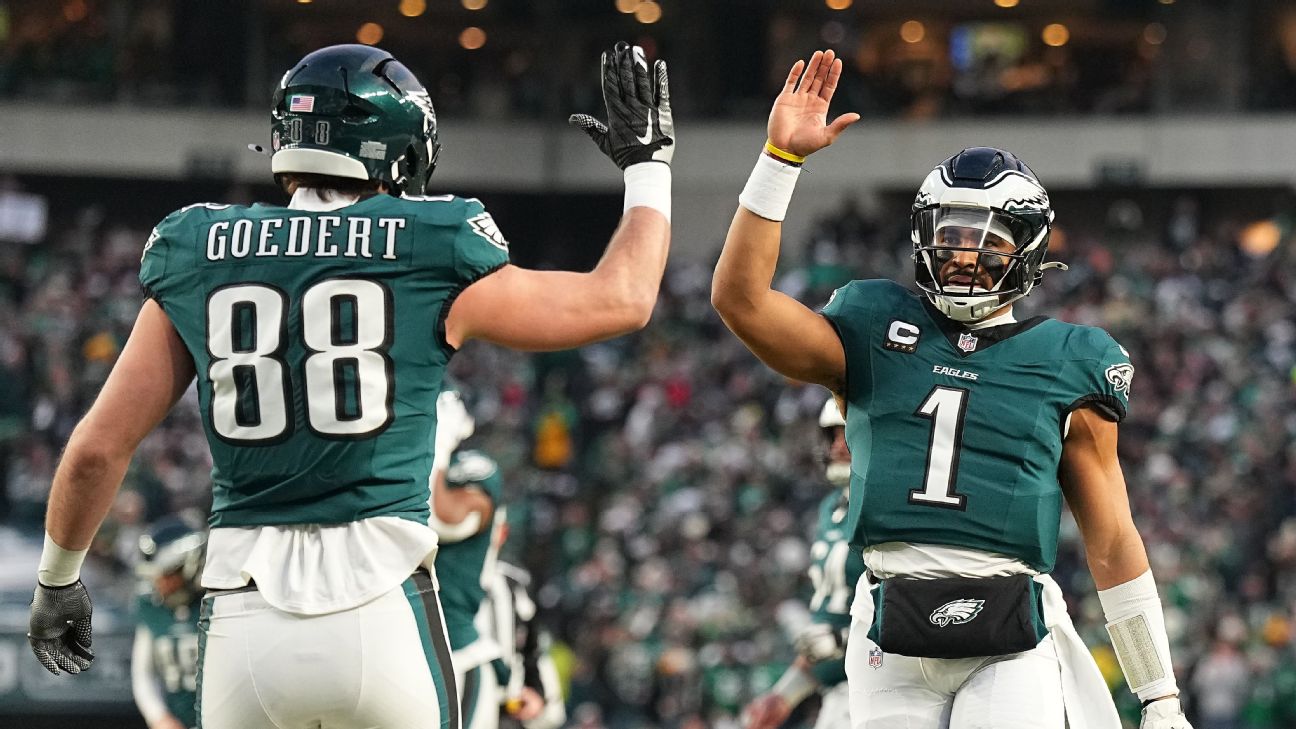
The Eagles finally won Super Bowl LII in 2018, beating the Patriots. They lost Super Bowl LVII to the Kansas City Chiefs in 2022, and are playing the Chiefs again this Sunday, in Super Bowl LIX. I'll be behind Jalen Hurts and the Broad Street Birds all the way.
My Quarterback -- Now

What's more, for reasons I won't get into here, I can't drive. And, even with the addition of the Meadowlands Rail Spur to New Jersey Transit in 2009, in time for the transition to MetLife Stadium, it's still easier to use public transportation to get to the South Philadelphia sports complex than to the Meadowlands Sports Complex.

Yes, I know, the Eagles have the most-hated fan base in the League. Yes, I know, they once "booed Santa Claus." Who's kidding who? They're smarter than Cowboy fans, and saner than Raider fans.

Did I make the right choice? Right now, certainly: Both the Giants and the Jets have stunk for years. Overall? Compared to the Jets, absolutely: They've played 65 seasons, and gotten to the Super Bowl exactly once, even though they won it, and it was one of the most epic moments in pro football history. Compared to the Giants, no: The Giants have won 8 NFL Championships, including 4 Super Bowls. The Eagles have won 4 NFL Championships, only 1 in the Super Bowl era.

Taking everything into account, I'm still glad I chose the Eagles over the Giants and the Jets. Fly, Eagles, fly, on the road to victory!

Monday, February 3, 2025

Fay Vincent, 1938-2025

Baseball has had 10 Commissioners. Four of them -- Albert "Happy" Chandler, Peter Ueberroth, Bart Giamatti and Francis "Fay" Vincent -- were decent men who acted as if they loved the game. One, Kenesaw Mountain Landis, was a bigoted tyrant. Four -- Ford Frick, William Eckert, Bowie Kuhn and the current officeholder, Rob Manfred -- have been stooges for the team owners. One was a team owner, Bud Selig.

Chandler and Vincent refused to be stooges for the team owners, and each was fired for it.

Francis Thomas Vincent Jr. was born on May 29, 1938 in Waterbury, New Haven County, Connecticut, 88 miles northeast of Midtown Manhattan. Like George Steinbrenner, with whom he would later come into conflict, he was a graduate of Williams College in Western Massachusetts. 

While there, he had been locked inside his dorm room as a prank. Climbing onto the roof to escape, he slipped off a four-story ledge, badly injuring his back and legs. Surgery and three months in traction followed. He overcame an initial diagnosis he would never walk again, but his leg never fully recovered, and he relied on a cane for the rest of his life.

He got a law degree from Yale, worked in private practice, and for the Securities & Exchange Commission, before being named chairman of Columbia Pictures. On the one hand, he oversaw the production of Kramer vs. Kramer (1979's biggest box office hit and Oscar winner for best picture) and Tootsie (1982's 3rd-biggest hit and a Best Picture nominee). On the other hand, he also oversaw the production of Ishtar. So, let's move along.

His longtime friend and fellow Yalie, Bart Giamatti, was named Commissioner of Baseball in 1989. Giamatti asked him to become Deputy Commissioner. In that office, Vincent played a major role in negotiating a settlement to the betting scandal involving Cincinnati Reds manager Pete Rose. As part of the settlement, Rose agreed to withdraw from the sport for an indefinite period of time to avoid further punishment.

On September 1, 1989, just 7 days after announcing Rose's ban, Giamatti suffered a heart attack, and died. After consulting with Giamatti's widow, Toni, he agreed to succeed Giamatti as Commissioner, and was duly elected by the MLB owners on September 13. Just in his 1st few weeks on the job, he had to oversee the logistical issues of the earthquake-affected World Series in the San Francisco Bay Area. Everyone agreed that he had handled it properly.

Things didn't get easier in 1990, as the owners locked the players out of Spring Training, and he had to settle things. The fact that he settled them rather evenly, without favoring the team owners, did not please them. He also had to deal with an issue involving Steinbrenner, resulting in Steinbrenner's suspension as operating owner of the New York Yankees, a suspension that was lifted for the 1993 season.

He also oversaw MLB's expansion of 1991-93, adding the Colorado Rockies and the team now known as the Miami Marlins, and the accompanying realignment of each of the major leagues into 3 geographical divisions instead of the previous 2, effective with the 1994 season.

But the owners were angry at Vincent over his intervention during the 1990 lockout, and disappointed by dwindling television ratings in light of the deal MLB made with CBS. Vincent said in his memoir that he "didn't see himself as a lackey whose job it was to massage the owner’s egos and do their bidding."

On September 7, 1992, the owners voted 18-9 in favor of a no-confidence vote. It wasn't a firing, but it was a message that Vincent would not be permitted to complete Giamatti's term in 1994. He resigned, saying:

To do the job without angering an owner is impossible. I can't make all twenty-eight of my bosses happy. People have told me I'm the last Commissioner. If so, it's a sad thing. I hope they learn this lesson before too much damage is done.

The new Commissioner wasn't his Deputy, Steve Greenberg, a broadcast executive (who went on to found what became ESPN Classic) and the son of Hall-of-Famer Hank Greenberg. Instead, the owners chose the Chairman of their own Executive Committee, Allan H. "Bud" Selig -- one of their own, the owner of the Milwaukee Brewers.

He lasted 6 years as "Interim Commissioner" (twice as long as Vincent was the actual Commissioner) and an obvious conflict of interest, before selling his family's share of the Brewers, allowing him to become the official Commissioner, a post he held until 2015. Only Landis ruled over baseball for longer, and no one did more damage to the sport.

Fay Vincent became a private investor, and from 1998 to 2004 served as the president of the New England Collegiate Baseball League.

Vincent married Valerie McMahon in 1965. They raised 3 children, and divorced in 1994. His 2nd marriage, to Christina Watkins, lasted from 1998 to his death, this past Saturday, February 1, 2025, from cancer, in Vero Beach, Florida, at the age of 86.

Fay Vincent loved baseball more than he loved money. And he valued integrity more than he valued the opinions of the team owners. That's why he lost his job. That's also why he won the hearts of baseball fans.

Finals Appearances By Cities, 1903-2025

Previously, I have included only the big four: The World Series, starting in 1903; the NFL Championship Game, 1932-1965, and the Super Bowl, starting in 1967, but not the Championship Games of the AFL or any other football league, including the CFL: the NBA Finals, starting in 1947, but not the ABA; and the Stanley Cup Finals since the founding of the NHL, 1918, but not the WHA.

I am now going to add WNBA Finals, starting in 1997; the old North American Soccer League, 1967-1984; Major League Soccer, starting in 1996; and the various women's soccer leagues.

In the case of an intra-city finals, the city will be counted twice. Ties will be broken by most wins, then by most recent.

1. New York, 138: 70 MLB, 21 NHL, 20 NFL, 10 NBA, 6 WNBA, 6 NASL, 3 MLS, 1 NWSL, 1 WPS
2. Boston, 79: 23 NBA, 20 NHL, 16 MLB, 12 NFL, 5 MLS, 4 WNBA
3. Los Angeles, 72: 26 NBA, 14 MLB, 11 MLS, 8 NFL, 5 NHL, 5 WNBA, 1 NASL, 1 WPS
4. Chicago, 61: 16 MLB, 15 NFL, 13 NHL, 7 NBA, 3 MLS, 2 WNBA, 2 NASL, 2 NWSL, 1 WPSL
5. Detroit, 50: 24 NHL, 11 MLB, 6 NFL, 5 NBA, 4 WNBA
6. Philadelphia, 45: 16 MLB, 9 NBA, 9 NFL, 8 NHL, 2 WPS, 1 NASL
7. Montreal, 37: 37 NHL
8. San Francisco, 36: 12 MLB, 12 NFL, 8 NBA, 2 MLS, 1 NHL, 1 WPS
9. St. Louis, 31: 20 MLB, 4 NBA, 4 NHL, 2 NFL, 1 NASL
10. Toronto, 30: 21 NHL, 3 MLS, 3 NASL, 2 MLB, 1 NBA
11. Washington, 30: 10 NFL, 5 MLS, 4 MLB, 4 NBA, 3 NWSL, 2 WNBA, 1 NHL, 1 NASL
12. Minneapolis, 22: 7 WNBA, 5 NBA, 4 NFL, 3 MLB, 2 NHL, 1 NASL
13. Seattle, 22: 4 WNBA, 4 MLS, 3 NFL, 3 NBA, 3 NHL, 3 NWSL, 2 NASL
14. Pittsburgh, 21: 8 NFL, 7 MLB, 6 NHL
15. Cleveland, 21: 10 NFL, 6 MLB, 5 NBA
16. Dallas, 20: 8 NFL, 3 NHL, 3 MLB, 3 NBA, 2 NASL, 1 MLS
17. Milwaukee (includes Green Bay), 19: 13 NFL, 3 MLB, 3 NBA
18. Kansas City, 18: 7 NFL, 4 MLB, 3 MLS, 3 NWSL, 1 NASL
19. Miami (includes Fort Lauderdale & Sunrise), 17: 5 NFL, 5 NBA, 3 NHL, 2 MLB, 2 NASL
20. Houston, 16: 4 MLB, 4 NBA, 4 WNBA, 4 MLS
21. Western New York (includes Buffalo, Rochester & Syracuse), 16: 5 NBA, 4 NFL, 2 NHL, 2 NWSL, 1 NASL, 1 WPSL, 1 WPS
22. Baltimore, 15: 7 NFL, 6 MLB, 2 NBA
23. Denver, 15: 8 NFL, 3 NHL, 2 MLS, 1 MLB, 1 NBA
24. Atlanta, 15: 6 MLB, 3 WNBA, 3 NASL, 2 NFL, 1 MLS
25. Cincinnati, 12: 9 MLB, 3 NFL
26. Tampa Bay, 12: 5 NHL, 3 NASL, 2 MLB, 2 NFL
27. Phoenix, 11: 5 WNBA, 3 NBA, 2 MLB, 1 NFL
28. Portland, 11: 4 NWSL, 3 NBA, 3 MLS, 1 NASL
29. Vancouver (includes Victoria), 10: 9 NHL, 1 NASL
30. San Antonio, 8: 7 NBA, 1 WNBA
31. Edmonton, 8: 8 NHL
32. Indiana (includes Indianapolis & Fort Wayne), 8: 3 NBA, 3 WNBA, 2 NFL
33. Carolina (includes Charlotte & Raleigh), 8: 3 NWSL, 2 NFL, 2 NHL, 1 WNBA
34. Ottawa, 5: 5 NHL
35. Las Vegas, 5: 3 WNBA, 2 NHL
36. Columbus, 4: 4 MLS
37. Salt Lake City, 4: 2 NBA, 2 MLS
38. Calgary, 4: 4 NHL
39. San Diego, 4: 2 MLB, 1 NFL, 1 NASL
40. Orlando, 3: 2 NBA, 1 NWSL
41. Sacramento, 2: 2 WNBA
42. Oklahoma (includes Oklahoma City & Tulsa), 2: 1 NBA, 1 NASL
43. Tennessee (includes Nashville & Memphis), 2: 1 NFL, 1 NHL
44. New Orleans, 1: 1 NFL
45. Louisville, none: Recently joined NWSL
46. Austin, none: Recently joined MLS
47. Jacksonville, none: Only in NFL

Saturday, February 1, 2025

February 1, 2015: Pete Carroll Calls a Pass

February 1, 2015, 10 years ago: Super Bowl XLIX is played at University of Phoenix Stadium -- now named State Farm Stadium -- in the Phoenix suburb of Glendale, Arizona. Over 114 million viewers tuned in to NBC to watch it, making it the most-watched television program in American history.

The defending Champion Seattle Seahawks had a 10-point lead with 8 minutes left in regulation, and blew it. The New England Patriots took a 28-24 lead with 2:02 left. Quarterback Russell Wilson drove the Hawks to the Patriot 1-yard line with 26 seconds to go.

With the ball there, the call seemed obvious: A running play. Possibly Wilson on a quarterback sneak, like Bart Starr to win the 1967 NFL Championship Game, the Ice Bowl, for the Green Bay Packers. Or a handoff to Marshawn Lynch, the running back known as "Beast Mode," a 5-time Pro Bowler, who had already scored a touchdown in the game, and had gotten the ball 4 yards to the 1-yard line on the previous play.

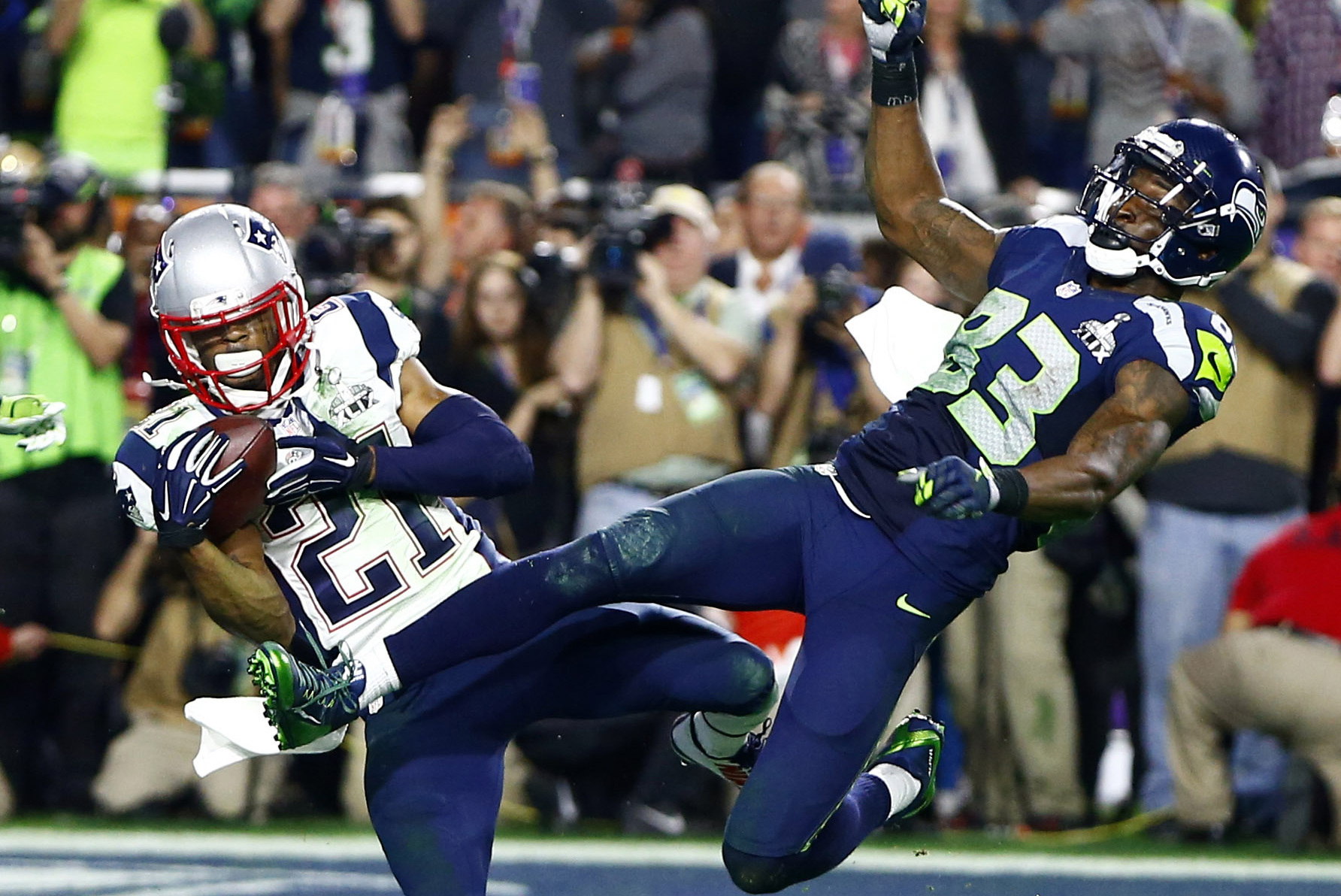
Instead, Seahawk head coach Pete Carroll called for a pass, from Wilson to Ricardo Lockette. Patriot cornerback Malcolm Butler correctly figured out that Lockette was the target, and intercepted the pass. The Patriots won the game.
It's hard to imagine now, with Ohio State University having had Heisman Trophy-winning quarterbacks and winning National Championships with a great passing game, but there was a time, in the 1960s and '70s, when their head coach was Woody Hayes. Famous for a running game described as "Three yards and a cloud of dust," he was known for hating the forward pass enough to say, "There are three things that can happen when you throw the ball, and two of them are bad." Meaning an incomplete pass and an interception.

Malcolm Butler clinched victory for the New England Patriots in Super Bowl XLIX with the most famous interception in football history.

Cris Collinsworth, a 3-time Pro Bowler who had played in Super Bowls XVI and XXIII for the Cincinnati Bengals, was broadcasting the game for NBC, and spoke for so many people watching:

I'm sorry, but I can't believe the call... You've got Marshawn Lynch in the backfield. You've got a guy that has been borderline unstoppable in this part of the field. I can't believe the call...

If I lose the Super Bowl because Marshawn Lynch can’t get it in from the 1-yard line, so be it. So be it! But there is no way.

He was absolutely right: You tell the other team, "Here he comes. Try to stop him." If they can't, that's expected, and you win. If they can, then they've earned their victory. To use an analogy from another sport, they've hit your best pitch.

Hall of Fame cornerback Deion Sanders, analyzing the game for CBS, called it "one of the worst calls in Super Bowl history." Peter King, the main football writer for Sports Illustrated, and a winner of the Pro Football Hall of Fame's Dick McCann Award for writers, used the exact same words: "one of the worst calls in Super Bowl history." Hall-of-Famer Emmitt Smith, the NFL's all-time leading rusher, went even further, calling it "the worst play call in the history of football."

So that's, effectively, 3 members of the Pro Football Hall of Fame, 3 guys who really know football -- one on offense, one on defense, and one watching from above -- saying it was a bad call, essentially blaming Pete Carroll for throwing away back-to-back wins in the Super Bowl, a rare achievement, and possibly Carroll's own eventual election to the Hall -- and maybe also Wilson's.

Is there any way to defend the call? Not really. Is there any way to say that Carroll shouldn't be blamed for the loss? Yes. Can any such way be taken seriously? Well, Wilson could have said, "This is a bad call. I'm calling a different play in the huddle." He could have shown the leadership that a great quarterback would show. He didn't.
We can also give Butler credit for pulling off the key play. Then there's the Seahawks' offense. Their 20 1st downs wasn't that bad, compared to the Pats' 25. But they were only 3-for-10 on 3rd down, compared to the Pats' 8-for-14. They also committed more penalties, 7-5, for twice as many yards, 70-36. And had less time of possession, 26:14 to 33:46.

It took them 20 minutes and 13 seconds to get their 1st score. Their last score came with 19 minutes and 54 seconds to go. They blew a 10-point lead, and they blew it with 8 minutes to go. Blowing a 10-point lead tied what was then a Super Bowl record. It would be eclipsed 2 years later by the Atlanta Falcons -- also against the Patriots. Hmmmm...

Did they cheat in this game? There has never been a serious accusation of it. But think of it this way: We have more proven instances of Belichick and/or Brady cheating, and the other benefiting from that cheating, than we have proven instances of them not cheating. So which is more likely: That these were the only times they cheated, or that they cheated in many more games?

In 2019, a poll ranked this game 8th on a list of the 100 Greatest Games of the NFL's 1st 100 years.

Lynch retired after the 2019 season. He becomes eligible for the Hall of Fame this week. Carroll and the Seahawks parted ways after the 2023 season. He is eligible for the Hall of Fame, but is not in. On January 24, 2025, he was named head coach of the Las Vegas Raiders.

In Seattle, he outlasted Wilson, whom he traded to the Denver Broncos in 2022. It was a disaster, and he was released after 2 years. For the 2024 season, he signed with the Pittsburgh Steelers. He was 7-2 in postseason games before Carroll called that pass, but has been 1-6 afterward.

On February 12, 2023, Super Bowl LVII broke this game's record for highest U.S. television audience: 115.1 million watched on Fox. The next year, on February 11, 2024, Super Bowl LVIII broke the record: 123.7 million watched on CBS. Both times, it was almost certainly due to the fact that millions of women and teenage girls, who wouldn't ordinarily have wanted to watch, wanted to see clips of singer Taylor Swift in the luxury boxes, cheering on her boyfriend, Travis Kelce, tight end for the victorious Kansas City Chiefs.