Showing posts with label philadelphia eagles. Show all posts

Sunday, May 3, 2026

New York vs. Philadelphia In the Postseason

The New York Knicks won their 1st Round Playoff series, beating the Atlanta Hawks in 6 games, winning Game 6 by a Playoff-record-setting margin.

The Philadelphia 76ers won theirs, beating their arch-rivals, the Boston Celtics, in a Game 7 in Boston. Truly an epic achievement.

The Knicks and Sixers will now play each other in the NBA Eastern Conference Semifinals. They haven't been to the NBA Finals since 1999 and 2001, respectively. They haven't won an NBA Championship since 1973 (Knicks) and 1983 (76ers).

New York vs. Philadelphia In the Postseason

1905 World Series: New York Giants beat Philadelphia Athletics
1911 World Series: Athletics beat Giants
1913 World Series: Athletics beat Giants
1947 BAA Semifinals: Philadelphia Warriors beat New York Knicks
1950 World Series: New York Yankees beat Philadelphia Phillies
1968 NBA Eastern Division Semifinals: Philadelphia 76ers beat Knicks
1974 Stanley Cup Semifinals: Philadelphia Flyers beat New York Rangers
1975 Stanley Cup Semifinals: Flyers beat New York Islanders
1977 NBA Eastern Conference Semifinals: 76ers beat Knicks
1979 Stanley Cup Quarterfinals: Rangers beat Flyers
1979 NBA Eastern Conference 1st Round: 76ers beat New Jersey Nets
1980 Stanley Cup Quarterfinals: Flyers beat Rangers
1980 Stanley Cup Finals: Islanders beat Flyers
1981 NFC Wild Card Playoff: Philadelphia Eagles beat New York Giants
1982 NHL Patrick Division Semifinals: Rangers beat Flyers
1983 NHL Patrick Division Semifinals: Rangers beat Flyers
1983 NBA Eastern Conference Semifinals: 76ers beat Knicks
1984 NBA Eastern Conference 1st Round: Nets beat 76ers
1985 NHL Patrick Division Semifinals: Flyers beat Rangers
1985 NHL Patrick Division Finals: Flyers beat Islanders
1986 NHL Patrick Division Semifinals: Rangers beat Flyers
1987 NHL Patrick Division Semifinals: Flyers beat Rangers
1987 NHL Patrick Division Finals: Flyers beat Islanders
1989 NBA Eastern Conference 1st Round: Knicks beat 76ers
1995 NHL Eastern Conference Semifinals: Flyers beat Rangers
1995 NHL Eastern Conference Finals: New Jersey Devils beat Flyers
1997 NHL Eastern Conference Semifinals: Flyers beat Rangers
2000 NHL Eastern Conference Finals: Devils beat Flyers
2000 NFC Divisional Playoff: Giants beat Eagles
2004 NHL Eastern Conference Quarterfinals: Flyers beat Devils
2006 NFC Wild Card Playoff: Eagles beat Giants
2008 NFC Divisional Playoff: Eagles beat Giants
2009 World Series: Yankees beat Phillies
2010 NHL Eastern Conference Quarterfinals: Flyers beat Devils
2012 NHL Eastern Conference Semifinals: Devils beat Flyers
2014 NHL Eastern Conference Quarterfinals: Rangers beat Flyers
2018 MLS Cup Knockout Round: New York City FC beat Philadelphia Union
2019 NBA Eastern Conference 1st Round: 76ers beat Nets
2019 MLS Cup 1st Round: Union beat New York Red Bulls
2020 Stanley Cup 2nd Round: Islanders beat Flyers
2021 MLS Cup 1st Round: Union beat Red Bulls
2021 MLS Cup Eastern Conference Finals: City beat Union
2022 NFC Divisional Playoff: Eagles beat Giants
2022 MLS Cup Eastern Conference Finals: Union beat City
2023 NBA Eastern Conference 1st Round: 76ers beat Nets
2024 NBA Eastern Conference 1st Round: Knicks beat 76ers
2024 National League Championship Series: New York Mets beat Phillies
2025 MLS Cup Eastern Conference Semifinals: City beat Union

Note: For soccer, I counted only Major League Soccer. I would have counted the North American Soccer League, but the New York Cosmos and the Philadelphia Atoms never played each other in the Playoffs. Nor did the Cosmos and the later Philadelphia Fury. I did not count the U.S. Open Cup, because that's an in-season tournament, not postseason.

MLB: New York, 4-2
NFL: Philadelphia, 4-1
NBA: Philadelphia, 7-3
NHL: Philadelphia, 11-10
MLS: Tie, 3-3
TOTAL: Philadelphia 27-21.

Sunday, March 15, 2026

March 15, 1926: Norm Van Brocklin Is Born

March 15, 1926, 100 years ago: Norman Mack Van Brocklin is born in Parade, South Dakota, and grows up in the San Francisco suburb of Walnut Creek, California. He left high school to enter the U.S. Navy during World War II, and starred at the University of Oregon, before playing for the Los Angeles Rams, debuting with them in 1949.

This led to perhaps the NFL's 1st great "quarterback controversy," as the Rams already had Bob Waterfield, who had already led them to the NFL Championship in 1945, their last season in Cleveland. In 1949, Waterfield started 11 of 12 games, and the Rams reached the NFL Championship Game, but lost it to the Philadelphia Eagles. In 1950, Van Brocklin started 7 games, Waterfield 5, and again, they reached the Championship Game, losing it to the Cleveland Browns. Both times, Waterfield started, but Van Brocklin did play.

In 1951, Waterfield started 10 games, Van Brocklin only 2. One of those was on September 28, against the woebegone football version of the New York Yankees. He completed 27 of 41 passes for 554 yards. Despite all the advances in the passing game over the last 75 years, that is a single-game record that still stands. Once again, the Rams reached the Championship Game. Once again, head coach Joe Stydahar, previously a Hall of Fame lineman with the Chicago Bears, named Waterfield the starter. This time, the Rams beat the Browns.

In 1952, Van Brocklin started 7 games, Waterfield 5. Waterfield then retired. Van Brocklin got them back to the Championship Game in 1955. In 1958, he was traded to the Philadelphia Eagles. In training camp in 1959, a young tackle was injured, and Van Brocklin taught him how to watch film. That tackle never played a down of pro ball, but a coach was born that day: John Madden. He also tutored the Eagles' young backup quarterback, future Hall-of-Famer Christian "Sonny" Jurgensen.
I think that's Ray Nitschke,
the Packers' Hall of Fame linebacker, behind him.

In 1960, Van Brocklin led the Eagles to a 12-2 record, winning the NFL Championship Game over the Green Bay Packers, 17-13 at Franklin Field in Philadelphia. This made him the 1st quarterback to lead 2 different teams to the NFL title. There have been 2 since: Peyton Manning and Tom Brady *.

After that game, Van Brocklin retired as a player, and, with Eagles head coach Buck Shaw also retiring, fully expected to be named head coach. He wasn't, and 1960 remained their last NFL Championship for 57 years. The Curse of the Dutchman? Oddly, when they won again in the 2017 season, it was in part because they had to change quarterbacks late in the season, as Carson Wentz got hurt, and Nick Foles led them the rest of the way.

For the 1961 season, Van Brocklin was named the 1st head coach of the expansion Minnesota Vikings, leading them through 1966. He tutored their 1st starting quarterback, future Hall-of-Famer Fran Tarkenton. From 1968 to 1974, he coached the Atlanta Falcons. He never reached the Playoffs as a coach.
Tarkenton and Van Brocklin

He died on May 2, 1983, only 57 years old, after battling brain cancer: After leaving the hospital, he said he got a brain transplant: "They gave me a sportswriter's brain, to make sure I got one that hadn't been used." A 9-time Pro Bowler, he is in the Pro Football Hall of Fame. Oddly, neither the Rams nor the Eagles have retired his Number 11.

Tuesday, February 10, 2026

NFL Championship Droughts, as of Super Bowl LXI

Years posted are of the season, not the year in which the Super Bowl happened. In other words, the Seattle Seahawks just became the 2025 NFL Champions. Teams ranked by their most recent title; then, for teams that have not won the title, fewest seasons without one:

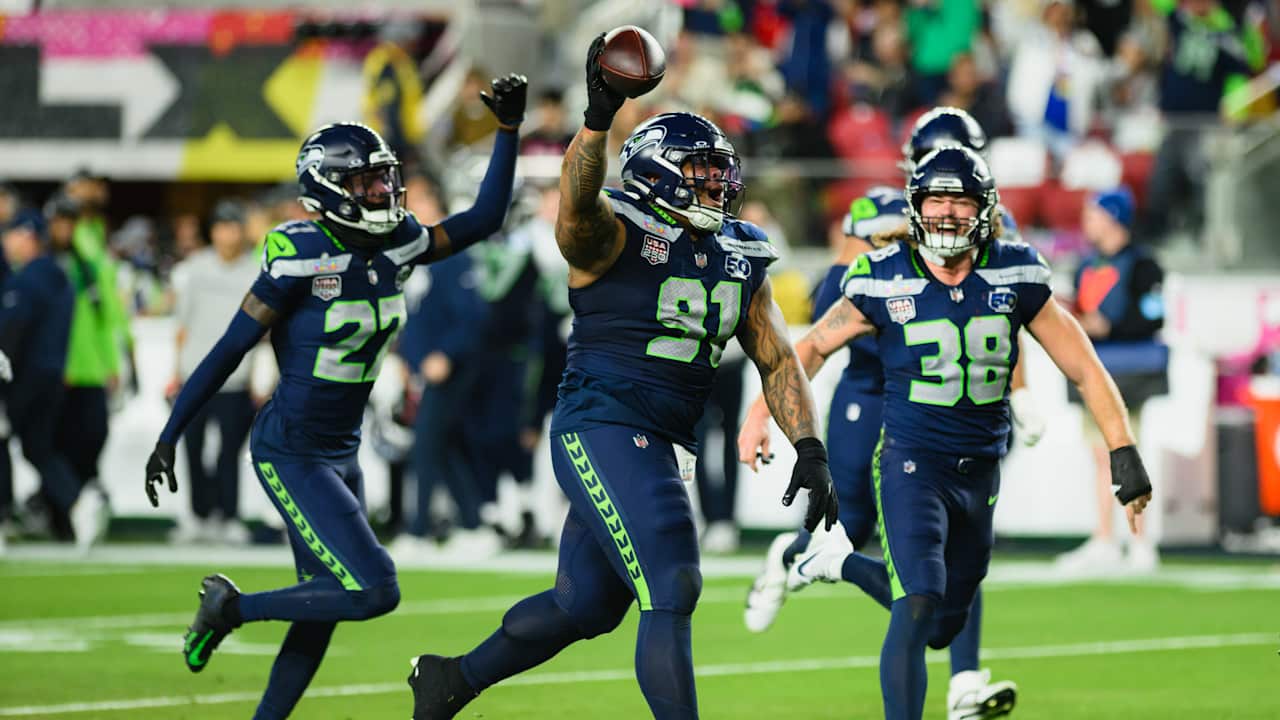
1. Current Champions, Seattle Seahawks, 2025
2. 1 year, Philadelphia Eagles, 2024
3. 2 years, Kansas City Chiefs, 2023
4. 3 years, Los Angeles Rams, 2022
5. 5 years, Tampa Bay Buccaneers, 2020
6. 7 years, New England Patriots, 2018
7. 10 years, Denver Broncos, 2015
8. 13 years, Baltimore Ravens, 2012
9. 14 years, New York Giants, 2011
10. 15 years, Green Bay Packers, 2010
11. 16 years, New Orleans Saints, 2009
12. 17 years, Pittsburgh Steelers, 2008
13. 19 years, Indianapolis Colts, 2006
14. 30 years, Dallas Cowboys, 1995
15. 31 years, San Francisco 49ers, 1994
16. 34 years, Washington Commanders, 1991 as Washington Redskins
17. 40 years, Chicago Bears, 1985
18. 42 years, Las Vegas Raiders, 1983 as Los Angeles Raiders
19. 42 years, Miami Dolphins, 1973
20. 57 years, New York Jets, 1968
21. 61 years, Cleveland Browns, 1964
22. 68 years, Detroit Lions, 1957
23. 78 years, Arizona Cardinals, 1947 as Chicago Cardinals
24. Never in 13 years, Houston Texans, joined NFL in 2002
25. Never in 30 years, Carolina Panthers, joined NFL in 1995
26. Never in 30 years, Jacksonville Jaguars, joined NFL in 1995
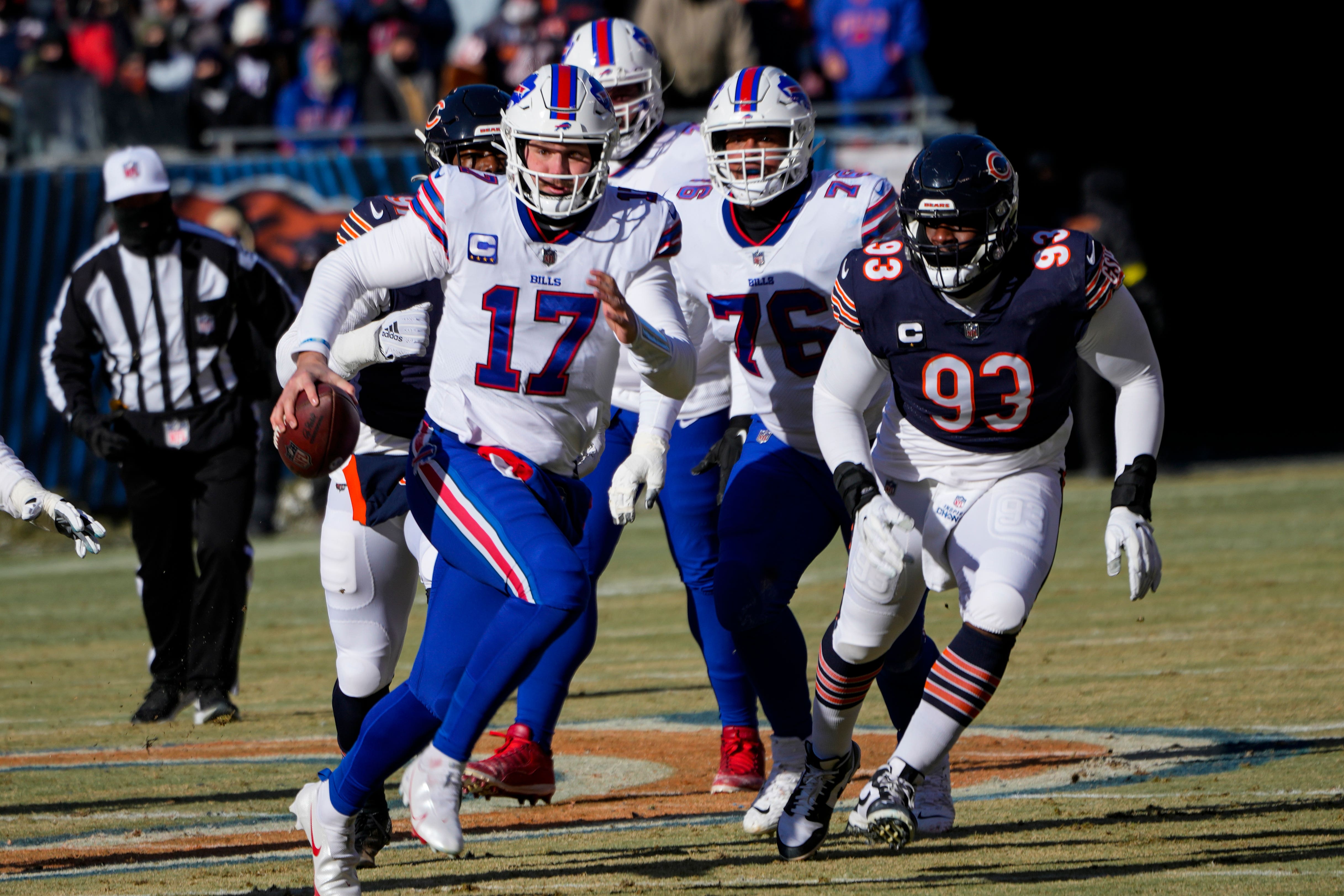
27. Never in 55 years, Buffalo Bills, founded in 1960 in AFL, joined NFL in 1970
28. Never in 55 years, Los Angeles Chargers, founded in 1960 in AFL, joined NFL in 1970 as San Diego Chargers
29. Never in 55 years, Tennessee Titans, founded in 1960 in AFL, joined NFL in 1970 as Houston Oilers
30. Never in 55 years, Cincinnati Bengals, founded in 1968 in AFL, joined NFL in 1970
31. Never in 59 years, Atlanta Falcons, joined NFL in 1966
32. Never in 64 years, Minnesota Vikings, joined NFL in 1961

If I were ranking the teams that have not yet won titles by how close they have come:

24. Buffalo Bills, last won AFL Championship in 1965, last won AFC Championship in 1993
25. Los Angeles Chargers, last won AFL Championship in 1963, last won AFC Championship in 1994, both as San Diego Chargers
26. Tennessee Titans, last won AFL Championship in 1961 as Houston Oilers, last won AFC Championship in 1999
27. Cincinnati Bengals, last won AFC Championship in 2021
28. Atlanta Falcons, last won NFC Championship in 2016
29. Carolina Panthers, last won NFC Championship in 2014
30. Minnesota Vikings, last won NFC Championship in 1976
31. Jacksonville Jaguars, last reached AFC Championship Game in 2017
32. Houston Texans, best performance is reaching AFC Division Playoff, last in 2025

Sunday, February 8, 2026

February 8, 1936: The 1st NFL Draft

Jay Berwanger

February 8, 1936, 90 years ago: The National Football League holds its 1st draft, at the Ritz-Carlton Hotel in Philadelphia.

The draft was instituted in an effort to end bidding wars among the league's teams by the arbitrary assignment of negotiating rights to amateur players. It was decided that the last-place team from the previous season would get the 1st selection, and the process would continue in reverse order of the standings. Under this structure, the 1st pick went to the Philadelphia Eagles, who had gone 2-9 in 1935.

This 1st draft had 9 rounds. The number of rounds was changed to 10 in 1937, 12 in 1938, 22 in 1939, 32 in 1943, 25 in 1949, 30 in 1950, 20 in 1960, 17 in the 1st combined NFL/AFL Draft of 1967, 12 in 1978, 8 in 1993, and has been 7 since 1994.

With the 1st pick, the Eagles made what must have looked at the time to be, as Charles Darwin would have put it, the natural selection: Jay Berwanger, a sensational back on both offense and defense, who had starred at the University of Chicago, and was, just a few weeks earlier, awarded the 1st-ever edition of what would become known as the Heisman Memorial Trophy.

But the Eagles also made the 1st-ever puzzling Draft Day move: Team owners Bert Bell (later to be the Commissioner of the NFL) and Lud Wray had heard that Berwanger was going to demand $1,000 per game (NFL contracts were per game back then, not per season), and they didn't think they could afford that, so they traded Berwanger's rights to the Chicago Bears, in exchange for tackle Art Buss. Buss played 2 seasons for the Eagles, having already played 2 for the Bears, and this is the most interesting thing about him.

But at least the Eagles got something for Berwanger's rights. The Bears got nothing. At first, Berwanger, a native of Dubuque, Iowa, chose not to sign for the Bears, or any team for that matter, because he wanted to maintain his amateur status, so that he could compete in the decathlon at the 1936 Olympics in Berlin. Certainly, a worthy goal, and one that Bears owner, general manager and head coach George Halas could respect. The Olympics would be in early August, and the Bears' 1st game wouldn't be until September 20. Halas could afford to bide his time.

But Berwanger didn't make the Olympic team, and the Gold Medal in the decathlon went to another American, Glenn Morris, who had also played football, at Colorado A&M University (which became Colorado State in 1957). So Berwanger went to Halas, and asked for $15,000 for the season -- which worked out to $1,250 a game, more than the Eagles thought he would demand.

Halas was known for his cheapness: One of his later star players, and the last head coach he would ever hire, Mike Ditka, loved him, but also said, "George Halas throws nickels around like manhole covers." Halas was willing to go as high as $13,500. Berwanger declined, and got a job with a Chicago-based rubber company, and also coached at the University of Chicago until it dropped its football program in 1940. He never played a down of professional football, and lived until 2002, having told an interviewer that he regretted not having accepted Halas' offer.

The Boston Redskins picked 2nd, and chose Riley Smith, a quarterback from the University of Alabama. Technically, this made him the 1st NFL Draft pick to play in the NFL: He played 3 seasons for the Redskins, including their last in Boston and their 1st 2 in Washington, which included their 1937 NFL Championship.

With the 3rd pick, the Pittsburgh Pirates drafted William Shakespeare. Yes, you read that right. The Pirates, named for the city's baseball team, would become the Steelers in 1940. And Notre Dame back Shakespeare, apparently a distant relative of the playwright, and nicknamed both "The Bard" and "The Merchant of Menace," also took a higher-paying job with a rubber company (albeit one based in Cincinnati, not the Chicago-based one that hired Berwanger), and was awarded a Bronze Star in World War II.

With the 6th pick, the Bears took West Virginia tackle Joe Stydahar. In the 9th round, the Bears took Colgate guard Dan Fortmann. Both men became mainstays of the team that won 4 NFL Championships in the 1940s, and were elected to the Pro Football Hall of Fame in Canton, Ohio. So it's hard to argue that the Bears would have been appreciably better if Berwanger had played a full career for them. Stydahar also coached the Los Angeles Rams to the 1951 NFL Championship.

In the 2nd round, the New York Giants took Alphonse "Tuffy" Leemans. He starred on their 1938 NFL Championship team. In the 8th round, the Redskins chose Notre Dame end Wayne Millner, who would be the leading receiver for the 1st great NFL quarterback, Sammy Baugh, helping them win NFL Championships in 1937 and 1942. Leemans and Miller would also go to Canton.

In the 3rd round, the Redskins chose New York University back Ed Smith, who made money on the side as a male model -- and was the model for the Heisman Trophy. He played for the Redskins in 1936 and the Green Bay Packers in 1937.

In the 4th round, the NFL version of the Brooklyn Dodgers chose Alabama end Paul "Bear" Bryant. He never played pro ball, but went on to become one of the greatest college coaches ever. In the 6th round, the Eagles chose back Al Barabas, one of the stars of Columbia's 1934 Rose Bowl upset over Stanford. But he never played in the pros.

The NFL Draft has become a televised spectacle. Sometimes, it seems as though there are fans who pay more attention to the Draft than to actual results.

Saturday, February 7, 2026

Pro Football Hall-of-Famers By Team, 2026 Edition

Congratulations to the 5 newly-elected members of the Pro Football Hall of Fame. New members are annually announced on the day before the Super Bowl. This time, they did it on the preceding Friday.

Here are the new electees, listed here in chronological order:

* Roger Craig, running back, San Francisco 49ers 1983-90; Los Angeles Raiders 1991; Minnesota Vikings 1992-93.

* Adam Vinatieri, placekicker, New England Patriots 1996-2005; Indianapolis Colts, 2006-19.

* Drew Brees, quarterback, San Diego Chargers 2001-05; New Orleans Saints 2006-2020.

* Larry Fitzgerald, wide receiver, Arizona Cardinals, 2004-20.

* Luke Kuechly, linebacker, Carolina Panthers 2012-19.

Brees and Fitzgerald were each elected in their 1st year of eligibility; Vinatieri and Kuechly, each in their 2nd year. Craig's election was long overdue, and some of his previous unsuccessful nominations as a finalist may have been oversights: Tony Kornheiser, co-host of ESPN's Pardon the Interruption, admitted that he thought Craig was already in. It's understandable: There were 6 previous 49ers from the Joe Montana years, including Montana himself, who had already been elected, as had coach Bill Walsh and team owner Eddie DeBartolo.

Each of them appeared in at least 1 Super Bowl: Craig winning in XIX, XXII and XXIII; Vinatieri winning in XXXVI, XXXVIIII, XXXIX and XLI, and losing in XLIV; Fitzgerald losing in XL; Brees winning in XLIV; and Kuechly losing in 50. (That Super Bowl didn't have the Roman numeral, because it would have been simply "L," which also means "loss.")

This time, no coaches or executives were elected: It was revealed before the full slate of inductees was released that Bill Belichick and Robert Kraft, the head coach and the owner of the New England Patriots in their dynasty years, both eligible for the 1st time, had not gotten the votes necessary for election.

In case you're wondering, Tom Brady becomes eligible in the election whose results will be announced in early February 2028. So, 2 more years. Whether anyone will vote against "the greatest quarterback of all time" because of his cheating, and whether there will be enough such votes to deny him election, even the 1st time, is doubtful.

Nor were any players who played prior to 1983 elected. At this point, any deserving player from that period not yet in is either dead or pretty old.

*

Inductees are listed here with a team if they played, or coached, or were an executive, with them for at least 4 seasons.

I have divided moved teams accordingly (i.e., Johnny Unitas never took a snap for the Indianapolis Colts). "Sure future Hall-of-Famers" are not included, because, as we have seen in baseball, there is no such thing anymore. 

Tenure as a player, or a coach, or an executive is only counted if they were elected as such. In other words, Raymond Berry coached the Patriots into a Super Bowl, and Forrest Gregg did so with the Bengals, but they were elected as a Colts player and a Packers player, respectively, so those are the teams with which they're included.

Ties in the rankings are broken by more players, as opposed to other categories; and then by time in the league. So a team with 4 players is ahead of one with 3 players and 1 coach, and a team with 3 players in 50 years is ahead of one with 3 players in 80 years.

Figures are listed here as follows: Players in chronological order of their Hall of Fame service with the team (even if they had other functions with that team), then coaches, then executives, then broadcasters.

1. Chicago Bears, 34: George Halas (founder, owner, general manager, head coach, player), John "Paddy" Driscoll, George Trafton, Ed Healey, William "Link" Lyman, Red Grange, Bill Hewitt, Bronko Nagurski, George Musso, Dan Fortmann, Joe Stydahar, Sid Luckman, George McAfee, Clyde "Bulldog" Turner, Ed Sprinkle, George Connor, George Blanda, Bill George, Doug Atkins, Stan Jones, Mike Ditka (player & coach), Dick Butkus, Gale Sayers, Walter Payton, Alan Page, Steve McMichael, Jim Covert, Richard Dent, Dan Hampton, Mike Singletary, Brian Urlacher, Julius Peppers, Devin Hester, Jim Finks (executive).

They have 6 from their 1985-86 "Super Bowl Shuffle" team (7 if you count Ditka as coach), as opposed to 4 from their 1963 NFL Champions, and 7 from their 1940s "Monsters of the Midway" team (8 if you count Nagurski's 1943 comeback).

Willie Galimore and Gary Fencik should be in. Thomas Jones is now eligible, and while he didn't spend 4 seasons with any team, his 3 years with the Bears were his most productive period, so I'd list him with them if he got in, and with over 10,000 career rushing yards, he should be in.

2. Green Bay Packers, 31: Earl "Curly" Lambeau (founder, owner, executive, head coach, player), Cal Hubbard, John "Johnny Blood" McNally, Mike Michalske, Arnie Herber, Clarke Hinkle, Don Hutson, Tony Canadeo, Bobby Dillon, Jim Ringo, Bart Starr, Forrest Gregg, Paul Hornung, Jim Taylor, Jerry Kramer, Ray Nitschke, Henry Jordan, Willie Davis, Willie Wood, Herb Adderley, Dave Robinson, James Lofton, Jan Stenerud, Sterling Sharpe, LeRoy Butler, Reggie White, Brett Favre, Charles Woodson, Vince Lombardi (coach & executive), Ron Wolf (executive), Ray Scott (broadcaster, later the main voice on CBS' NFL telecasts).

Nearly half of the Packer figures enshrined in Canton, 13, are from the Lombardi Era, including Lombardi himself. This doesn't count Emlen Tunnell, who played the last 3 seasons of his career with the Packers and retired after the 1st title of the Lombardi Era, 1961.

Now eligible from the Mike Holmgren era, and they would join White, Favre, Sharpe, Butler and Woodson, are Holmgren himself, Adam Timmerman and Gilbert Brown. Eugene Robinson could be considered, but he was only a Packer for 2 seasons, although both ended in Super Bowls, but only 1 won.

Sean Jones played 3 seasons for the Packers, and would qualify as a Raider and an Oiler if he got in. Donald Driver is the only figure from the Mike McCarthy era yet eligible and worthy of consideration.

3. Pittsburgh Steelers, 29: Walt Kiesling (also coach), John "Johnny Blood" McNally, Bill Dudley, Ernie Stautner, Jack Butler, John Henry Johnson, Bobby Layne, Joe Greene, Terry Bradshaw, Franco Harris, Mike Webster, Jack Lambert, Jack Ham, Lynn Swann, John Stallworth, Mel Blount, Donnie Shell, Rod Woodson, Dermontti Dawson, Jerome Bettis, Troy Polamalu, Alan Faneca, Art Rooney (founder-owner), Dan Rooney (owner), Bert Bell (coach, later NFL Commissioner), Chuck Noll (coach), Bill Cowher (coach), Bill Nunn (scout), Myron Cope (broadcaster). 

While the Steelers were rarely competitive for their 1st 40 seasons, they did have a few players who were Hall-worthy. But note that 15 of the 29, more than half, including 11 of the 22 players, were involved with the club during their 1972-79 "Steel Curtain" dynasty.

Hines Ward is now eligible, and while that touchdown he scored on a kickoff return for the Gotham Rogues as the field collapsed behind him in The Dark Knight Rises does nothing to help his candidacy, if he does get in, you know that highlight will be played over and over again.

4. Dallas Cowboys, 23: Bob Lilly, Chuck Howley, Mel Renfro, Bob Hayes, Rayfield Wright, Mike Ditka, Roger Staubach, Cliff Harris, Drew Pearson, Randy White, Tony Dorsett, Troy Aikman, Emmitt Smith, Michael Irvin, Deion Sanders, Larry Allen, Charles Haley, DeMarcus Ware, Tom Landry (coach), Jimmy Johnson (coach), Bill Parcells (coach), Tex Schramm (executive), Jerry Jones (owner).

Parcells did coach them for 4 seasons, so that counts. Ditka is so identified with the Bears (with whom he practically invented the position of tight end and won an NFL Championship in 1963) that people forget that he was ever a Cowboy, and won a Super Bowl each as a player and as one of Landry's assistant coaches -- as did Dan Reeves, although if he ever gets elected, it will be as a head coach, and therefore not as a Cowboy.

Don Meredith was elected as a broadcaster, but was never a broadcaster specifically for the Cowboys. A case can be made that he deserves election as a player. Charlie Waters and Herschel Walker also have their advocates.

5. New York Giants, 22: Steve Owen (elected as a coach, also a pretty good player for Giants), Ray Flaherty, Benny Friedman, Red Badgro, Mel Hein, Ken Strong, Alphonse "Tuffy" Leemans, Emlen Tunnell, Arnie Weinmeister, Frank Gifford, Roosevelt Brown, Sam Huff, Andy Robustelli, Y.A. Tittle, Fran Tarkenton, Harry Carson, Lawrence Taylor, Michael Strahan, Tim Mara (founder & owner), Wellington Mara (owner), Bill Parcells (coach), George Young (executive).

Gifford has also been elected as a broadcaster. So has Pat Summerall, but as a CBS & Fox broadcaster, not as a Giants player or broadcaster, so he can't be included here. Tom Landry was the 1st great defensive back to be only a defensive back, after the early 1950s shift to two-platoon football, and was the defensive coordinator on the Giants' 1956-63 contenders. But was elected to the Hall based on his service as a head coach, and he only served as such for the Cowboys, and thus can't be counted here.

There are 6 from the 1956 NFL Champions, but only 3 from Parcells' Super Bowl-winning teams, 5 if you count Parcells himself and Young. Phil Simms has not yet been elected, and you can also make a case for Mark Bavaro (tight ends are in short supply in the Hall), George Martin and Leonard Marshall. Eli Manning is now eligible. So is Tiki Barber, and I wonder if anyone will be willing to vote for him: He is, after all, the all-time leading rusher among New York-based NFL players, slightly ahead of Curtis Martin.

6. Washington Commanders, 22: Cliff Battles, Turk Edwards (also coach), Wayne Millner, Sammy Baugh, Bobby Mitchell, Sonny Jurgensen, Charley Taylor, Sam Huff, Paul Krause, Chris Hanburger, Ken Houston, John Riggins, Art Monk, Russ Grimm, Darrell Green, Bruce Smith (last 4 years of his career as a Redskin), Champ Bailey, George Preston Marshall (founder & owner), Ray Flaherty (elected as a Giants player, but coached Washington to 2 NFL titles, so I'm counting him as one of theirs), George Allen (coach), Joe Gibbs (coach), Bobby Beathard (executive).

Jurgensen and Huff were also broadcasters for the team. Grimm is the only one of the "Hogs" yet elected, but Jeff Bostic and Joe Jacoby should also be elected. A case can be made for an earlier Washington lineman, Len Hauss.

None of the men who have thus far quarterbacked the team formerly named the Washington Redskins into a Super Bowl is in: Not Billy Kilmer, not Joe Theismann, not Doug Williams, not Mark Rypien -- and good cases can be made for all but Rypien, who just didn't play long enough. If Jan Stenerud got elected as a kicker (who didn't also play another position, as did Lou Groza and George Blanda), then why not Mark Moseley?

Oakland Raiders, 23: Jim Otto, Fred Biletnikoff, George Blanda, Ken Stabler, Gene Upshaw, Willie Brown, Art Shell, Cliff Branch, Dave Casper, Ray Guy, Ted Hendricks, Mike Haynes, Howie Long, Marcus Allen, Jerry Rice, Warren Sapp, Tim Brown, Charles Woodson, Eric Allen, Richard Seymour, John Madden (coach), Tom Flores (coach), Al Davis (owner-coach), Ron Wolf (scout).

Madden has also been elected as a broadcaster. Rice and Sapp were both there for 4 seasons, so they count. Who's the most obvious Raider not in? I'd say Jack Tatum, if anybody's got the guts to elect a great cornerback who needlessly paralyzed a man in a preseason game. Also worthy of consideration are Ben Davidson and Lester Hayes.


Note that I'm making an exception to my one-city-only rule for the California-era Raiders, treating them as a continuous Oakland franchise, since they did return, even though their Los Angeles edition became a cultural icon (and not for good reasons). Counted separately, the Oakland Raiders have 19, and the Los Angeles Raiders have 4: Haynes, Long, Allen and Branch, with Branch the only one qualifying for both.

7. San Francisco 49ers, 20: Bob St. Clair, Y.A. Tittle, Joe "the Jet" Perry, Leo Nomellini, Hugh McElhenny, John Henry Johnson, Dave Wilcox, Jimmy Johnson, Joe Montana, Fred Dean, Ronnie Lott, Roger Craig, Jerry Rice, Steve Young, Charles Haley, Bryant Young, Terrell Owens, Patrick Willis, Bill Walsh (coach), Eddie DeBartolo (owner).

Tittle, Perry, McElhenny and John Henry Johnson are the only entire backfield that all played together to all be elected to the Hall, and they were known as the Million Dollar Backfield. The Jimmy Johnson listed above was a black cornerback in the 1960s and '70s, and should not be confused with the white coach for the Cowboys -- although this Jimmy Johnson, unlike the coach, was actually born in Dallas.

Rickey Jackson only played 2 seasons for the Niners, but he did win his only ring with them. Deion Sanders played only 1 season for them, but got the same Super Bowl XXIX ring that Jackson did. So, due to insufficient longevity, I can't count either of them as 49ers HOFers.

From their 1980s champions, Dwight Clark, Randy Cross, Guy McIntyre, Harris Barton and Ken Norton Jr. have not been elected, but all are worth consideration.

8. Kansas City Chiefs, 20: Bobby Bell, Len Dawson, Willie Lanier, Buck Buchanan, Emmitt Thomas, Johnny Robinson, Curley Culp, Jan Stenerud, Derrick Thomas, Marcus Allen, Willie Roaf, Will Shields, Tony Gonzalez, Jared Allen, Hank Stram (coach), Mary Levy (coach), Dick Vermeil (coach), Lamar Hunt (founder-owner), Bobby Beathard (executive), Charlie Jones (broadcaster, did Dallas Texans/K.C. Chiefs games before becoming the main voice for NBC's AFL and then AFC broadcasts).

Dawson was also elected as a broadcaster. It will be a few years before any of the Chiefs' 2016-onward dynasty will be elected.

9. Cleveland Browns, 18: Otto Graham, Marion Motley, Lou Groza, Dante Lavelli, Bill Willis, Mac Speedie, Frank Gatski, Len Ford, Mike McCormack, Jim Brown, Bobby Mitchell, Gene Hickerson, Leroy Kelly, Paul Warfield, Joe DeLamiellure, Ozzie Newsome, Joe Thomas, Paul Brown (coach-executive).

It says something about this franchise that Thomas is the 1st player who has played so much as a down for them since 1990 that can be called a Browns' HOFer -- and, additionally, only DeLamielleure and Newsome have played for them since 1977. Tom Cousineau hasn't made it, and neither has Clay Matthews Jr. (father of Packer linebacker Clay Matthews III and brother of Oliers/Titans HOFer Bruce Matthews -- Clay Sr. played for the 49ers in the 1950s, but wasn't HOF quality).

And yet, look at just what they produced in the 1940s and '50s. And that doesn't include players they let get away, like Doug Atkins, Henry Jordan, Willie Davis, Len Dawson, and (while they did both play long enough for the Browns to be counted with them) Mitchell and Warfield.

Maybe that's the real reason Art Modell isn't in the Hall: It's not that he moved the original Browns, and screwed the people of Northern Ohio, it's that he was a bad owner. (Though, to be fair, his firing of Paul Brown and installation of Blanton Collier in 1962 did bring the 1964 NFL Championship, Cleveland's last title in any sport until the 2016 Cavaliers.)

10. Detroit Lions, 16: Dutch Clark (also coach), Jack Christiansen, Bobby Layne, Doak Walker, Yale Lary, Alex Wojciechowicz, Lou Creekmur, Dick Stanfel, Dick "Night Train" Lane, Joe Schmidt (also coach), Alex Karras, Lem Barney, Dick LeBeau, Charlie Sanders, Barry Sanders (no relation to each other) and Calvin Johnson.

Although he played for their 1935 NFL Champions and coached them to the 1952 and '53 titles, Buddy Parker is not in the Hall. It says something about this franchise that there has been only 2 players (Barry Sanders and Calvin Johnson) who have played so much as a down for them since 1977 that can be called a Lions' HOFer, although cases can be made for Herman Moore, Lomas Brown and Chris Spielman.
11. Minnesota Vikings, 16: Fran Tarkenton, Carl Eller, Alan Page, Paul Krause, Ron Yary, Mick Tinglehoff, Chris Doleman, Gary Zimmerman, Randall McDaniel, Cris Carter, John Randle, Randy Moss, Steve Hutchinson, Jared Allen, Bud Grant (coach), Jim Finks (executive). Warren Moon was only there for 3 seasons.
12. Philadelphia Eagles, 16: Steve Van Buren, Alex Wojciechowicz, Pete Pihos, Chuck Bednarik, Sonny Jurgensen, Tommy McDonald, Norm Van Brocklin, Bob Brown, Jim Ringo, Harold Carmichael, Eric Allen, Reggie White, Brian Dawkins, Greasy Neale (coach), Dick Vermeil (coach), Bert Bell (founder-owner-coach, later NFL Commissioner).
Van Brocklin only played 3 seasons for the Eagles, but he was the quarterback on their last NFL Championship team before the Super Bowl era, 1960, and then he retired, despite being only 34 years old, so I'm bending the rule to count him. On the other hand, Claude Humphrey played 3 seasons for them, 1 being their 1st trip to the Super Bowl, but unlike Van Brocklin is not an Eagles icon, so I can only include him with the Falcons.
Art Monk, James Lofton and Richard Dent briefly played for the team, and cases could be made for Stan Walters, Jerry Sisemore, Bill Bergey, Randall Cunningham, Clyde Simmons, Seth Joyner and Donovan McNabb. Ron Jaworski, however, only stands to be elected as a media personality, not a player. That is how Irv Cross was elected: While he made 2 Pro Bowls as an Eagle cornerback, he is not in the Hall as a player.

Johnson didn't win as Dolphins' head coach, but he was there for 4 seasons, so he counts there. In spite of everything that happened in his career, Ricky Williams rushed for over 10,000 yards. He is now eligible, but I doubt he'll ever get in. If he does, he would qualify only as a Dolphin, not as a Saint.
13. Los Angeles Rams, 15: Bob Waterfield, Tom Fears, Elroy "Crazy Legs" Hirsch, Norm Van Brocklin, Les Richter, Deacon Jones, Merlin Olsen, Tom Mack, Jackie Slater, Jack Youngblood, Eric Dickerson, Kevin Greene, George Allen (coach), Dan Reeves (owner, not to be confused with the Denver/Atlanta coach), Dick Enberg (broadcaster).
Joe Stydahar coached the Rams to their only NFL Championship in Los Angeles, 1951, but he was elected as a player, not a coach, and so he can't be counted as a Rams' Hall-of-Famer. Counting their St. Louis years, the Rams franchise has 19.
14. Denver Broncos, 13: Willie Brown, Floyd Little, Randy Gradishar, John Elway, Steve Atwater, Shannon Sharpe, Gary Zimmerman, Terrell Davis, Champ Bailey, John Lynch, Peyton Manning, DeMarcus Ware, Pat Bowlen (owner). 3-time AFC Champion coach Dan Reeves has not been elected, but should be. So should Mark Schlereth. Because of how many feathers he ruffled, I don't think you'll ever see Bill Romanowski get in. Ware was a Bronco for 3 seasons, but 1 was a Super Bowl season, so I'm bending the rule for him.
15. Miami Dolphins, 13: Larry Csonka, Nick Buoniconti, Bob Griese, Jim Langer, Larry Little, Paul Warfield, Dan Marino, Dwight Stephenson, Zach, Thomas, Jason Taylor, Don Shula (coach), Jimmy Johnson (coach), Bobby Beathard (executive).
San Diego Chargers, 13: Ron Mix, Lance Alworth, Fred Dean, Dan Fouts, Charlie Joiner, Kellen Winslow, Junior Seau, Drew Brees, LaDainian Tomlinson, Antonio Gates, Sid Gillman (coach), Don Coryell (coach), Bobby Beathard (executive).
16. New England Patriots, 12: Nick Buoniconti, John Hannah, Mike Haynes, Andre Tippett, Curtis Martin, Adam Vinatieri, Ty Law, Richard Seymour, Junior Seau, Randy Moss, Bill Parcells (coach) and Don Criqui (broadcaster). This counts players from their AFL days, when they were officially named the Boston Patriots.

Cases could also be made for Jim Nance, Jim Hunt, Steve Nelson, Julius Adams, Irving Fryar, Drew Bledsoe and Tedy Bruschi, all eligible.
17. Buffalo Bills, 12: Billy Shaw, O.J. Simpson (had to list him), Joe DeLamiellure, James Lofton, Jim Kelly, Bruce Smith, Thurman Thomas, Andre Reed, Marv Levy (coach), Ralph Wilson (owner), Bill Polian (executive) and Van Miller (broadcaster).
Shaw played his entire career in the AFL, making him the only man in the Pro Football Hall of Fame who never played a down in the NFL. (Remember, it's not the National Football League Hall of Fame, it's the Pro Football Hall of Fame.) So much fuss was made over the special-teams skills of Steve Tasker that I'm surprised that he's not in.
Houston Oilers, 11: George Blanda, Elvin Bethea, Curley Culp, Robert Brazile, Earl Campbell, Dave Casper, Ken Houston, Charlie Joiner, Warren Moon, Mike Munchak, Bruce Matthews. Since Matthews counts as both an Oiler and a Titan, if we combine the Houston years and the Tennessee years, their total rises to 12.
18. New York Jets, 11: Don Maynard, Winston Hill, Joe Namath, John Riggins, Joe Klecko, Curtis Martin, Kevin Mawae, Darrelle Revis, Weeb Ewbank (coach), Bill Parcells (coach-executive), Ron Wolf (executive).
Although the Big Tuna only coached the Jets for 3 seasons, he was an executive with them for 4 seasons, and thus meets my qualification for a Jet HOFer. Wesley Walker and Marty Lyons should be considered, although nobody seems to be willing to vote for Mark Gastineau. Vinny Testaverde is eligible, but not yet in. (He would also qualify as a Buccaneer.) No, you can't count Alan Faneca, as he was only a Jet for 2 seasons.
Chicago Cardinals, 10: Jimmy Conzelman, Paddy Driscoll, Guy Chamberlin, Duke Slater, Ernie Nevers, Walt Kiesling, Charley Trippi, Ollie Matson, Dick "Night Train" Lane, Charles Bidwill (owner). Conzelman, Driscoll and Kiesling were also head coaches for the Cards. Counting all their cities, despite having been around for nearly a century, the Cards have only 15 Hall-of-Famers.
Baltimore Colts, 10: Art Donovan, Raymond Berry, Gino Marchetti, Johnny Unitas, Lenny Moore, Jim Parker, John Mackey, Ted Hendricks, Weeb Ewbank (coach), Don Shula (coach). Counting their Indianapolis years, the Colts have 15.
19. Indianapolis Colts, 9: Eric Dickerson, Marshall Faulk, Peyton Manning, Marvin Harrison, Edgerrin James, Dwight Freeney, Adam Vinatieri, Tony Dungy (coach), Bill Polian (executive). Reggie Wayne is now eligible. 

20. Tampa Bay Buccaneers, 7: Lee Roy Selmon, Warren Sapp, Derrick Brooks, John Lynch, Ronde Barber, Tony Dungy (coach), Ron Wolf (executive). Warrick Dunn is now eligible, and should be in, and would also qualify as a Falcon.
21. Seattle Seahawks, 6: Steve Largent, Kenny Easley, Cortez Kennedy, Walter Jones, Kevin Mawae, Steve Hutchinson. Rickey Watters is eligible, and while he only played 3 seasons each with the 49ers and Eagles, he played 4 with the 'Hawks, so if he goes in, he would qualify only for them. Tom Flores coached 3 seasons with the 'Hawks, so is not eligible here.
22. New Orleans Saints, 6: Rickey Jackson, Willie Roaf, Morten Andersen, Sam Mills, Drew Brees, Jim Finks (executive). Mike Ditka was Saints coach for 3 seasons and Tom Fears for 4, but neither was elected as a coach, so they can't be included here anyway. Same for Hank Stram, who was elected as a coach, but only coached the Saints for 2 seasons.
Canton Bulldogs, 6: Jim Thorpe, Guy Chamberlin, Joe Guyon, Pete Henry, William "Link" Lyman, Earl "Greasy" Neale.
St. Louis Rams, 6: Orlando Pace, Kurt Warner, Marshall Faulk, Isaac Bruce, Aeneas Williams, Dick Vermeil (coach). Torry Holt is eligible. Note that the St. Louis edition of the Rams is now italicized as a former team. Unlike the Raiders with their Oakland and Los Angeles eras, it doesn't really make sense to fold the St. Louis era in with Los Angeles.
22. Baltimore Ravens, 5: Jonathan Ogden, Ray Lewis, Rod Woodson, Ed Reed, Ozzie Newsome (executive). Newsome was elected as a Cleveland Browns player, but has been a masterful executive for the franchise since the move, so I'm bending the rules to include him as a Brown and a Raven. Jamal Lewis is eligible, but isn't yet in.

23. Atlanta Falcons, 5: Deion Sanders, Claude Humphrey, Morten Andersen, Tony Gonzalez, Bobby Beathard (executive). I wonder how many writers voted for Michael Vick, now that he's eligible? Andre Rison, another controversial figure, is also eligible, and, while he played for 7 different teams (plus 1 in the CFL), on this list, he would qualify only for the Falcons.)
St. Louis Cardinals, 5: Larry Wilson, Dan Dierdorf, Jackie Smith, Roger Wehrli, Don Coryell (coach). Dierdorf has also been elected as a broadcaster, although not specifically with the Cardinals. Ottis Anderson should be elected as a Cardinal, although he achieved his greatest moment as a Giant.
25. Cincinnati Bengals, 4: Charlie Joiner, Ken Riley, Anthony Munoz, Paul Brown (founder-owner-coach). Reggie Williams and Corey Dillon should be in, but Boomer Esiason is a borderline case. Chad "Ochocinco" Johnson is both a borderline Hall of Fame case and a borderline mental case.
Duluth Eskimos, 3: Walt Kiesling, John "Johnny Blood" McNally, Ernie Nevers.

26. Arizona Cardinals, 3: Aeneas Williams, Kurt Warner, Larry Fitzgerald. Emmitt Smith wasn't with them long enough. Nor was Edgerrin James.
27. Carolina Panthers, 3: Sam Mills, Luke Kuechly, Bill Polian (executive). Kevin Greene only played 3 seasons for them, so he doesn't count. Cam Newton becomes eligible next year.
28. Tennessee Titans, 2: Bruce Matthews, Kevin Mawae. Matthews only played 3 years as a "Tennessee Titan," but counting 2 years as a "Tennessee Oiler," he qualifies for the Titans. Eddie George is eligible, and should be in.
Frankford Yellow Jackets, 2: Guy Chamberlin, William "Link" Lyman. The 1926 NFL Champions should also have Russell "Bull" Behman and Henry "Two-Bits" Homan -- the former a big guy by the standards of the time, and the latter a little guy who was the NFL's answer to Wee Willie Keeler -- in the Hall.  But both died in the early 1950s, so neither was able to speak on his own behalf since the 1962 founding of NFL Films. Although the Eagles replaced the Jackets as Philadelphia's NFL team, the two teams are not the same franchise.
Providence Steam Roller, 2: Jimmy Conzelman (player & coach), Frederick "Fritz" Pollard.
Brooklyn Dodgers (NFL 1930-1948), 2: Clarence “Ace” Parker, Frank "Bruiser" Kinard.

29. Houston Texans, 1: Andre Johnson. J.J. Watt will almost certainly be elected in his 1st year of eligibility, which will be 2028.
30. Jacksonville Jaguars, 1: Tony Boselli. Fred Taylor is also a possibility.
Rock Island Independents, 1: Duke Slater.
31. Las Vegas Raiders, none. Sorry, Mark Davis, but you dropped your team (nearly) to the bottom of this list when you screwed Oakland over, like your daddy did before you.
32. Los Angeles Chargers, none. Sorry, Dean Spanos, but you dropped your team to the bottom of this list when you screwed San Diego over.

Friday, February 6, 2026

Sonny Jurgensen, 1934-2026

Who led the NFL in touchdown passes in the 1960s? It wasn't Johnny Unitas, or Bart Starr, or Joe Namath, or Fran Tarkenton. It was Sonny Jurgensen.

Christian Adolph Jurgensen III was born on August 23, 1934 in Wilmington, North Carolina. He starred in football, baseball and basketball at New Hanover High School. Other notable alumni include fellow NFL stars Roman Gabriel, Clyde Simmons and Alge Crumpler; baseball star Trot Nixon; and TV journalist David Brinkley.

"Sonny" was chosen to start at quarterback for the North Carolina all-stars in the annual Shrine Bowl against the South Carolina All-Stars in Charlotte. He then went to Duke University in Durham, where he was not only a quarterback, but a fine defensive back, and led them to the 1954 ACC title and a win over Nebraska in the 1955 Orange Bowl. It's funny how, with all the great basketball players who have gone to Duke, the school's greatest athlete from the State that they're actually in is a football player.

He became Norm Van Brocklin's backup on the Philadelphia Eagles, winning the 1960 NFL Championship. Van Brocklin retired, and Sonny became the starter in 1961, making the 1st of 5 Pro Bowl teams, leading the NFL in passing yards 5 times and in touchdown passes twice.

In 1964, the Eagles named Joe Kuharich as head coach. Kuharich was a massive prude, and Sonny liked the nightlife, so Joe traded Sonny to the Washington Redskins for their starting quarterback of the time, Norm Snead.

This trade was so dumb! How dumb was it? Over the rest of the decade, the Eagles floundered, while the Redskins got better, eventually becoming the team (albeit quarterbacked by Billy Kilmer, with Sonny as an aging backup) that won the 1972 NFC Championship.

I mentioned that Sonny threw more touchdown passes in the 1960s than any other quarterback. Guess which quarterback threw more interceptions in the 1960s than any other. Did I telegraph the punch enough? It was Norm Snead. And Joe Kuharich traded Sonny for Norm.

It took the Redskins a while to go from terrible to great, and by the time the process was finished, so was Sonny, pretty much. Typical of this period of Washington football was their game against the Giants on November 27, 1966, at District of Columbia Stadium (renamed Robert F. Kennedy Memorial Stadium in 1969). The 'Skins scored 72 points, the 2nd-highest total in NFL history. But their defense was so weak, the Giants scored 41. The 113 combined points remains an NFL record. Sonny only threw 16 passes, completing 10, for 145 yards, for 3 touchdowns and no interceptions. But a balanced rushing attack got 209 yards for Washington.

On September 15, 1968, the Redskins beat the Chicago Bears, 38-28 at Wrigley Field in Chicago. Sonny went 14-for-21 for 276 yards, 4 touchdowns, and no interceptions. In the 2nd quarter, with the ball on his own 1-yard line, Sonny threw the ball to Gerry Allen, who caught the ball at the Washington 35, and ran the remaining 65 yards. It was a 99-yard touchdown pass, tying an unbreakable NFL record. It was the 5th time it had happened. It has now happened 11 times, although not since 2011, when Eli Manning and Victor Cruz combined for it.

Sonny Jurgensen led the NFL in pass completions 4 times, 5 times in passing yards, 5 times in yards per game, twice in passing touchdowns, made 5 Pro Bowls, and had the highest career "quarterback rating" of any player before the 1978 rule changes that opened up the passing game: 82.6.

Vince Lombardi, who coached the Redskins in the last season of his life, 1969, said, "If we would have had Sonny Jurgensen in Green Bay, we'd never have lost a game." And this is a man who had Bart Starr, the only man to quarterback 5 NFL Championship teams without cheating. Although the thought of Sonny Jurgensen and Paul Hornung playing together on Saturday night before they played together on Sunday afternoon is a scary thought.

Lombardi began the Redskins' resurgence, but he died of cancer in 1970. In 1971, George Allen was named head coach, and Jurgensen should have been his kind of guy, a seasons veteran for Allen's "Over-the-Hill Gang." But injuries struck him, and Billy Kilmer was named the starter. It was Kilmer who led them to the Playoffs in 1971, and to the NFC Championship in 1972. Jurgensen did not play in Super Bowl VII, and the Redskins lost to the Miami Dolphins.

It was the NFL's 1st real quarterback controversy since Van Brocklin and Bob Waterfield on the early 1950s Los Angeles Rams. Just as with the Mickey Mantle and Roger Maris home run record chase in 1961, fans took sides, putting "I Love Billy" or "I Love Sonny" bumper stickers on their vehicles. The defensive-minded Allen preferred Kilmer's conservative, ball-control style of play to Jurgensen's more high-risk approach. Despite the controversy, Jurgensen was helpful to his rival. Even until his death, Kilmer still stayed at Jurgensen's house when he was in town.

In 1974, at the age of 40 and in his final season, Jurgensen won his 3rd NFL passing crown, even though he was still splitting time with Kilmer. In the final game of his NFL career, Jurgensen made his 1st and only appearance as a quarterback in an NFL postseason game, in the Redskins' 19–10 loss to the Rams in the Divisional Round of the Playoffs. He came off the bench in relief of Kilmer, and completed 6 of 12 passes, but also threw 3 interceptions.

Sonny was named to the College and Pro Football Halls of Fame, the Duke Sports Hall of Fame, the NFL's 1960s All-Decade Team, the Philadelphia Eagles Hall of Fame and the Washington Redskins Ring of Fame. In 1975, just after he retired, he and Hall of Fame linebacker Sam Huff formed a beloved broadcasting team for the Redskins. Sam retired from this role in after the 2012 season, Sonny after 2018.
For most of their history, the team now known as the Washington Commanders did not officially retire uniform numbers, with Sammy Baugh's 33 being the lone exception. But Sonny Jurgensen's Number 9 has only been given out once since he retired after the 1974 season.

That was in 2002, by new head coach Steve Spurrier, to one of his former University of Florida quarterbacks, Shane Matthews. He also gave Number 7, worn by Joe Theismann, to another of his Florida quarterbacks, Danny Wuerffel. Redskin fans were so angry that, before the regular season started, Spurrier got the message, and switched Wuerffel to 17 (which was Kilmer's number, but there was no outcry over that) and Matthews to 6. In 2022, at the age of 88, Sonny Jurgensen finally got his Number 9 retired by the Washington Commanders.

He met his 1st wife, Suzanne Long, while they were students at Duke. They had 2 sons, Greg and Scott, before later divorcing. Jurgensen married Margo Hurt in 1967. That couple also had 2 sons, Erik and Gunnar.

Sonny died on February 6, 2026, at 91. That day, on ESPN's Pardon the Interruption, co-hosts Tony Kornheiser and Michael Wilbon, both former sports columnists for The Washington Post, paid tribute to an old friend. In spite of his not having won a title there (his only title coming as a Philadelphia backup), Tony said, "Sonny Jurgensen could possibly be the most popular pro athlete in Washington, ever." Mike, who had been part of a pregame and postgame show with Sonny in the 1980s, said, "I am honored and humbled to have been able to work with Sonny Jurgensen."

With Sonny's death, there are 6 surviving players from the 1960 NFL Champion Philadelphia Eagles: Jerry Reichow, Billy Ray Barnes, Ted Dean, Theron Sapp, J.D. Smith and John Wilcox.

Monday, January 5, 2026

Deserve's Got Everything to Do With It: Super Bowl LX Edition

Little Bill Daggett (Gene Hackman): "I don't deserve this! To die like this!"
Will Munny (Clint Eastwood): "Deserve's got nothing to do with it!"
-- Unforgiven, 1992, directed by Eastwood

As I occasionally (but not annually) do, I am ranking Playoff teams by how much they, and their fanbases, deserve to win a World Championship. And I am casting baseball bias aside, so the Eagles won't be 1st. And -- this may shock you -- the Patriots won't be last, or even close to it.

14. Carolina Panthers, NFC South Division Champion, 4th Seed

May Deserve It Because: The Panthers are the only team on the NFC side that has never won a Super Bowl, and their fans have waited for 32 seasons.

May Not Deserve It Because: Not only are North Carolina and especially South Carolina Red States, but Charlotte is one of America's most conservative major cities. They're in the Playoffs because they won a Division title on a 2nd tiebreaker, and they're 8-9. A losing record. And who have they got that deserves a title? Andy Dalton? Be serious.

13. Los Angeles Chargers, AFC Wild-Card Berth, 7th Seed

May Deserve It Because: Los Angeles is a liberal city. After what it's gone through in the last year, it deserves a title. California is a Blue State. Of these 14 teams, they've gone the longest without a league title, since the 1963 AFL Championship. Khalil Mack deserves a title.

May Not Deserve It Because: The Dodgers just won the World Series for the 2nd straight year, so L.A. doesn't need another title that much. And team owner Dean Spanos abandoned San Diego. So they deserve it less than the Rams do.

If I thought that people in San Diego were still rooting for the Chargers, I might have them a little higher on the list. But a Super Bowl win for the Los Angeles Chargers would only remind San Diegans of what was taken from them. It won't be like when the Colorado Avalanche won the Stanley Cup in their 1st year in Denver, and then took the Cup back to Quebec City where they were the Quebec Nordiques, as a dubious reward for their former fans.

12. Los Angeles Rams, NFC Wild-Card Berth, 5th Seed

May Deserve It Because: Los Angeles is a liberal city. After what it's gone through in the last year, it deserves a title. California is a Blue State. Coach Sean McVay is a good guy. So are Matthew Stafford and Davante Adams.

May Not Deserve It Because: The won the Super Bowl just 4 years ago. And the Dodgers just won the World Series for the 2nd straight year, so L.A. doesn't need another title that much.

11. Pittsburgh Steelers, AFC North Division Champion, 4th Seed.

May Deserve It Because: Pittsburgh is a liberal city. And it's been 17 years since they won a title.

May Not Deserve It Because: Aaron Rodgers. That's it. That's all I need. Also Pennsylvania is a Red State. And as far back as that last title is, it was 1 of 6, which is more than most teams have. 

10. Green Bay Packers, NFC Wild-Card Berth, 7th Seed

May Deserve It Because: Um... they no longer have either Brett Favre or Aaron Rodgers? Lambeau Field is iconic. They're a classic NFL franchise. And their last title was 15 years ago.

May Not Deserve It Because: As far back as that last title is, it was 1 of 13, which is more than any team has. And aside from Micah Parsons, who deserved better than being a Dallas Cowboy, and is hurt, anyway, nobody really stands out as being very deserving. And Wisconsin became a Red State again, and Green Bay is a conservative part of the State.

9. Jacksonville Jaguars, AFC South Division Champion, 3rd Seed

May Deserve It Because: Like the Panthers, the Jags are in their 32nd season, and haven't yet won a title. They haven't even been to a Super Bowl yet. And their fans have had to suffer through incompetent ownership and the loss of home games to London. Trevor Lawrence is a good guy.

May Not Deserve It Because: Florida is not just a Red State, it's one of the rottenest Red States, and Jacksonville is part of the most conservative part of it. It might be the most conservative city with an NFL team. But that doesn't mean the players don't deserve it.

8. New England Patriots, AFC East Division Champion, 2nd Seed

May Deserve It Because: Boston is a liberal city. Massachusetts is a Blue State. New England is a liberal region. And these are not the Patriots of Bill Belichick and Tom Brady: There is no evidence of cheating. The Pats have a chance to build a champion which, as far we can tell, is clean.

May Not Deserve It Because: The Pats are still owned by Robert Kraft. And they have won it 6 times, most recently just 7 years ago. So even if they had won those titles fairly, it's a little soon. And who's their "Come on, root for him, he deserves it" guy? Stefon Diggs comes the closest.

7. San Francisco 49ers, NFC Wild-Card Berth, 6th Seed

May Deserve It Because: San Francisco is a liberal city. California is a Blue State. And it's been 31 years since they won a title.

May Not Deserve It Because: As far back as that last title is, it was 1 of 5, which is more than most teams have. And they abandoned San Francisco for suburban Santa Clara. Kevin McCaffrey and George Kittle might deserve a title, but that's not exactly an endorsement.

6. Philadelphia Eagles, NFC Eastern Division Champion, 3rd Seed

May Deserve It Because: Philadelphia is a liberal city. The Eagles are full of good guys, led by quarterback Jalen Hurts.

May Not Deserve It Because: Pennsylvania is a Red State. And the Eagles are the defending Champions, having won 2 and been to 3 of the last 8 Super Bowls. And the fans can be a little nuts.

5. Denver Broncos, AFC West Division Champion, 1st Seed

May Deserve It Because: Denver is a liberal city. Colorado is a Blue State.

May Not Deserve It Because: Head coach Sean Payton not only already has a ring, with New Orleans, but the shadow of "Bountygate" hangs over him. There's no "Let him win one" guy. And it's been only 10 years since the Broncos won a title.

4. Seattle Seahawks, NFC West Division Champion, 1st Seed

May Deserve It Because: Seattle is a liberal city. Washington is a Blue State. Sam Darnold is a good guy. And after their last Super Bowl appearance was sabotaged by their dumb coach, they deserve a chance at redemption.

May Not Deserve It Because: Those uniforms. Those horrid, horrid uniforms! Cooper Kupp is already a legend, but he's already got a ring, with the Rams. And while the 'Hawks have won a title, it wasn't that long ago: 12 years.

3. Houston Texans, AFC Wild-Card Berth, 5th Seed

May Deserve It Because: Alone among these 14 teams, the Texans have never even reached a Conference Championship Game. Houston's only league titles in football have been the 1st 2 AFL Championships, in 1960 and 1961, by the Oilers.

May Not Deserve It Because: Houston has 2 recent titles, by the Astros, ill-gotten. And they don't have a "He really deserves it" guy.

2. Chicago Bears, NFC North Division Champion, 2nd Seed

May Deserve It Because: Chicago is a liberal city. Illinois is a Blue State. They've got some good guys. They're a classic NFL franchise. And it's been 40 years.

May Not Deserve It Because: As far back as that last title is, it was 1 of 8, which is more than any team but the Packers have. And ownership is trying to abandon the City of Chicago, for either the O'Hare suburbs or Indiana.

1. Buffalo Bills, AFC Wild-Card Berth, 6th Seed

May Deserve It Because: The Longest-Suffering Fan Base, given that the Chargers abandoned San Diego. Indeed, in spite of the Bills winning the AFL Championship in 1964 and 1965, no Buffalo-based team has ever won a World Championship. No team from Western New York has won one since the 1955 Syracuse Nationals, unless you want to count the old NASL and women's soccer leagues as "major league." Josh Allen is a good guy. And Marv Levy is 100 years old: He deserves to at least see the Bills win the Super Bowl before he dies.

May Not Deserve It Because: There's always the chance that long-suffering sore losers could turn into bastard winners. And there's always the chance that bandwagoners might latch onto them, claiming they were always Bills fans, when their closet has Chiefs stuff in front of Patriots stuff in front of Cowboys stuff.

So, yes, the Buffalo Bills are the team that most deserves to win the Super Bowl.

Will they? Probably not. Some things never change.

Wednesday, December 10, 2025

December 10, 1995: The Eagles Stop Emmitt Smith On 4th & 1 -- Twice

December 10, 1995, 30 years ago: A cold night at Veterans Stadium in Philadelphia. The Philadelphia Eagles host the Dallas Cowboys. This is a rivalry that defies geography, due to the oddity of a Dallas team being in the NFC Eastern Division, along with Philadelphia, the New York Giants, and the team then known as the Washington Redskins. (From 1970 to 2001, the Division would also, strangely, including the team that began the period as the St. Louis Cardinals, and ended it as the Arizona Cardinals.)

The Cowboys had won Super Bowls XXVII and XXVIII, and lost the 1994 NFC Championship Game. The Eagles had been in contention throughout, and both were in Playoff contention again: The Cowboys were 10-3; the Eagles, 8-5.

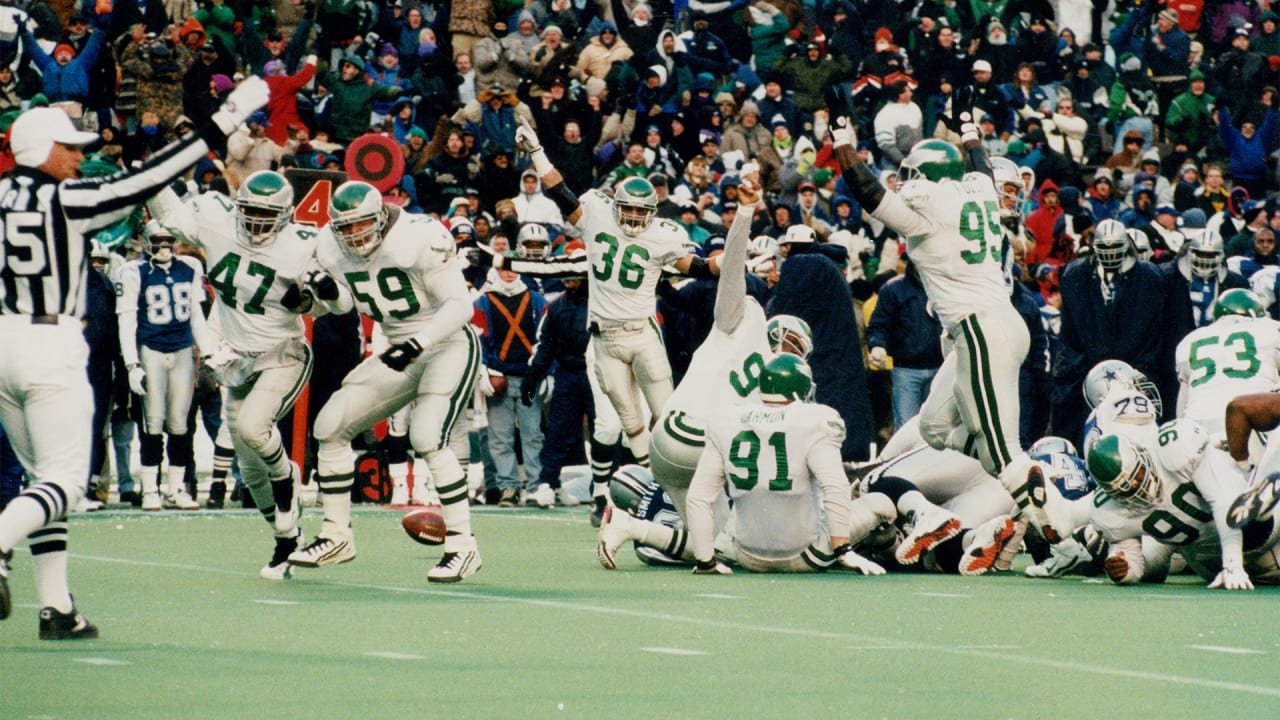
Late in the 2nd quarter, the Cowboys led, 17-3, and blew it. With about 9 minutes left in the 4th quarter, the score was tied, 17-17. The Cowboys had a 4th & 1 on their own 26-yard line. The Eagle defense, including William Fuller, Danny Stubbs, Mike Mamula, William Thomas, and the man then ripped as the dirtiest player in the game, Bill Romanowski, knew they had one job: Stop the man the Cowboys were obviously going to give the ball, Emmitt Smith, then the best running back in the game, from gaining one yard.

If Smith got that yard, the Cowboys would have a new set of downs, and plenty of time to get within range of a game-winning field goal. If he didn't, the ball would be turned over on downs, and the Eagles would have the ball inside Cowboys territory.

Sure enough, Cowboy quarterback Troy Aikman gave the ball to Smith, and the Eagles stopped him. The Vet erupted in cheers.

Except... Ed Hochuli, not one of the NFL's most-respected referees, ruled that time-out had been called before the snap. It was the kind of thing that had led many NFL fans over the last 25 years to believe that the officials fixed games for the Cowboys. Regardless of whether that was true, the Cowboys got another chance. So the Eagles had to do it again.

Eagles radio announcer Merrill Reese had the call: "They give it to Smith, and they stop him again! They stop him again! And this time, they can't take it away from the Eagles!"

It became known as "The Groundhog Day Game," after the "time loop" movie starring Bill Murray, 2 years earlier.

The Eagles tried to run down the clock as best they could. Three running plays by Rickey Watters gained a total of 4 yards. With 3 minutes left, Gary Anderson kicked a 42-yard field goal, putting the Eagles up, 20-17.

Out of timeouts, with only the 2-minute warning to help them, the Cowboys got no closer than the Eagles' 47-yard line, and the 20-17 lead held. The Eagles had won, and 66,198 fans went wild.

The Eagles finished 10-6, made the Playoffs, and won in the 1st round, beating the Detroit Lions, 58-37. Alas, the Cowboys finished 12-4, won the NFC Eastern Division, and got their revenge in the Playoffs, beating the Eagles, 30-11 at Texas Stadium, before winning Super Bowl XXX.