June 13, 2026: The New York Knickerbockers beat the San Antonio Spurs, 94-90 at the Frost Bank Center in San Antonio, Texas, winning Game 5 of the NBA Finals, and taking the NBA Championship.
For the Knicks, this capped their greatest period ever: 1970 to 1973, 4 seasons, 3 trips to the Finals (all against the Lakers), 2 titles.
Their only 2 titles -- until this past Saturday night.
Hail the champions:
* William "Red" Holzman, head coach
* Eddie Donovan, general manager
* 6 Tom Riker, center
* 7 Dean "the Dream" Meminger, guard
* 10 Walt "Clyde" Frazier, guard
* 12 Dick Barnett, guard
* 15 Earl "the Pearl" Monroe, guard
* 17 Henry Bibby, guard
* 18 Phil Jackson, forward
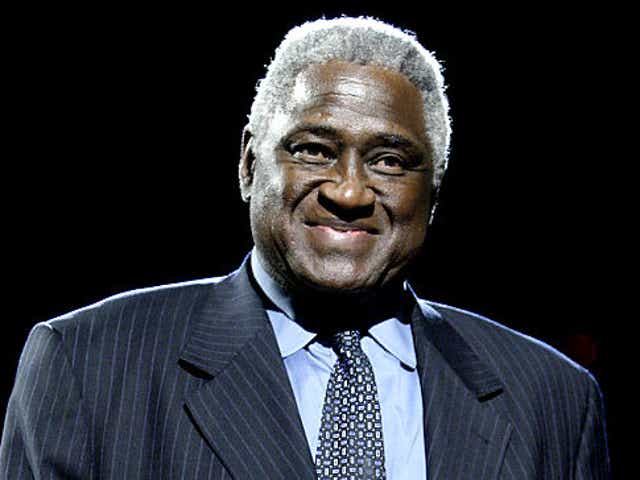
* 19 Willis Reed, center, Captain
* 22 Dave "Double D" DeBusschere, forward
* 23 Luther Rackley, center
* 24 Bill Bradley, forward
* 32 Jerry Lucas, forward
* 40 John Gianelli, center
* 43 Harthorne Wingo, forward
Frazier, Barnett, Reed, DeBusschere and Bradley also played for the Knicks on their 1969-70 title. Jackson was in the organization at that time, but missed the entire season due to injury.
Members of the 1970 Knicks who were not also 1973 Knicks were center Nate Bowman (Number 17), forwards Don May (5), Dave Stallworth (9), Bill Hosket (20) and Jazzy Cazzie Russell (33); and guards Mike Riordan (6) and John Warren (16).
Frazier, Barnett, Reed, DeBusschere and Bradley would have their uniform numbers retired by the Knicks. Holzman would be honored with a banner with the number 613 on it, for the number of games he won as Knicks coach. Frazier, Jackson, Reed, DeBusschere, Bradley, Lucas and Holzman would be elected to the Basketball Hall of Fame. Frazier, Reed, DeBusschere and Lucas would be elected to the NBA's 50th Anniversary 50 Greatest Players -- though it should be noted that Lucas was elected for what he did with the Cincinnati Royals; he was a stabilizing veteran presence for the '73 Knicks. They were also selected for the 75th Anniversary 75 Greatest Players.
This was a moment of great celebration for the New York Tri-State Area. It was the Knicks' 1st World Championship in 53 years:
May 10, 1973: The New York Knickerbockers beat the Los Angeles Lakers, 102-93, at the Forum in Inglewood, California, winning Game 5 of the NBA Finals, and taking the NBA Championship.
For the Knicks, this capped their greatest period ever: 1970 to 1973, 4 seasons, 3 trips to the Finals (all against the Lakers), 2 titles.
Their only 2 titles -- until this past Saturday night.
Hail the champions:
* William "Red" Holzman, head coach
* Eddie Donovan, general manager
* 6 Tom Riker, center
* 7 Dean "the Dream" Meminger, guard
* 10 Walt "Clyde" Frazier, guard
* 12 Dick Barnett, guard
* 15 Earl "the Pearl" Monroe, guard
* 17 Henry Bibby, guard
* 18 Phil Jackson, forward
* 19 Willis Reed, center, Captain
* 22 Dave "Double D" DeBusschere, forward
* 23 Luther Rackley, center
* 24 Bill Bradley, forward
* 32 Jerry Lucas, forward
* 40 John Gianelli, center
* 43 Harthorne Wingo, forward
Frazier, Barnett, Reed, DeBusschere and Bradley also played for the Knicks on their 1969-70 title. Jackson was in the organization at that time, but missed the entire season due to injury.
Members of the 1970 Knicks who were not also 1973 Knicks were center Nate Bowman (Number 17), forwards Don May (5), Dave Stallworth (9), Bill Hosket (20) and Jazzy Cazzie Russell (33); and guards Mike Riordan (6) and John Warren (16).
Frazier, Barnett, Reed, DeBusschere and Bradley would have their uniform numbers retired by the Knicks. Holzman would be honored with a banner with the number 613 on it, for the number of games he won as Knicks coach. Frazier, Jackson, Reed, DeBusschere, Bradley, Lucas and Holzman would be elected to the Basketball Hall of Fame. Frazier, Reed, DeBusschere and Lucas would be elected to the NBA's 50th Anniversary 50 Greatest Players -- though it should be noted that Lucas was elected for what he did with the Cincinnati Royals; he was a stabilizing veteran presence for the '73 Knicks. They were also selected for the 75th Anniversary 75 Greatest Players.
Bibby was the father of later NBA All-Star Mike Bibby. Bradley was elected to 3 terms in the U.S. Senate, representing New Jersey, and ran for President in 2000.
The Islanders had just completed their 1st season, and the building they shared with the New York Nets of the ABA, the Nassau Coliseum, was a year and a half old. The Yankees, recently purchased by George Steinbrenner, and the Giants were terrible, and were still playing in Yankee Stadium, but only for a few more months, as the renovation would start in October. The Mets and the Jets were playing at Shea Stadium, and while the Jets were falling apart as Joe Namath's knees did, the Mets would have a lousy 1st 5 months -- and then a torrid September that would lead to a Pennant and very nearly a 2nd World Championship in 5 years.
The Devils' franchise had been created, but at this point it only existed on paper, as the Kansas City Scouts, to begin play in the fall of 1974. And there was the World Hockey Association's New York Raiders, playing at The Garden, but they were a mess and moved to South Jersey, fooling no one into thinking they were a Philadelphia team.
The biggest thing that would happen in New York Tri-State Area sports in 1973 was the Belmont Stakes, as Secretariat moved "like a tremendous machine" in winning by 31 lengths to clinch the Triple Crown.
1973 was the last season for NBA legend Wilt Chamberlain. Jerry West and Oscar Robertson, like Reed, DeBusschere and Lucas, would hang on for one more year. Lew Alcindor had just recently changed his name to Kareem Abdul-Jabbar. Julius "Doctor J" Erving would soon move from the ABA's Virginia Squires to the Nets. Bill Walton was still at UCLA, winning the recent National Championship, the 7th straight for coach John Wooden, in the middle of an 88-game winning streak.
Magic Johnson and Larry Bird were in junior high school. Michael Jordan, Patrick Ewing and Charles Barkley were in grade school. Shaquille O'Neal was a rather large baby. Kobe Bryant, Tim Duncan and LeBron James weren't born yet.
The same day the Knicks won the title, the Montreal Canadiens won their 18th Stanley Cup, beating the Chicago Blackhawks in Game 6 of the Finals. It was their 6th Cup in the last 9 seasons. The New England Whalers, then based in Boston, had just won the 1st WHA title, the AVCO Cup, beating ex-Blackhawk star Bobby Hull and his Winnipeg Jets. The Indiana Pacers were about to win their 3rd ABA title in the last 5 years, beating the Louisville-based Kentucky Colonels.
The defending World Champions in the other sports were the Oakland Athletics, with future Yankee legends Reggie Jackson and Catfish Hunter beating the Cincinnati Reds of Pete Rose, Johnny Bench and Joe Morgan; and the Miami Dolphins, who had won Super Bowl VII over the Washington Redskins to complete the only perfect NFL season in the playoff era (1932 to the present).
The Heavyweight Champion of the World was the undefeated George Foreman, who had just demolished Joe Frazier to take the title. Muhammad Ali had recently been dealt a loss and a broken jaw by Ken Norton, so it looked like Ali and Frazier were finished, and Foreman would be Champion for a while. Looks were deceiving.
The designated hitter had just debuted, Willie Mays' career was coming to a strange close, Hank Aaron had begun his approach to Babe Ruth's all-time record of 714 home runs, and Nolan Ryan had just pitched his 1st no-hitter and his 1st 19-strikeout game, on his way to a single-season record of 383 strikeouts.
Current Knicks coach Mike Brown was 3 years old. Giants coach John Harbaugh was 10. Rangers coach Mike Sullivan was 5. Islanders coach Peter DeBoer was about to turn 5. Jet coach Aaron Glenn was 10 months old. Yankee manager Aaron Boone was 2 months old. Nets coach Jordi Fernández, Mets manager Carlos Mendoza and Devils coach Sheldon Keefe weren't born yet.
The Olympic Games have since been held in America 4 times, Canada 3 times, twice each in Russia, Korea, Japan, China, France and Italy; and once each in Austria, Bosnia, Spain, Norway, Australia, Greece, Britain and Brazil. The World Cup has since been held in America, Mexico and Germany twice; and once each in Canada, Argentina, Spain, Mexico, Italy, France, Japan, Korea, South Africa, Brazil, Russia and Qatar.
There were 26 Amendments to the Constitution of the United States. Title IX had recently become law, and abortion had just been nationally legalized. The feminist and gay rights movements were underway.
The President of the United States was Richard Nixon, but the Senate was about to convene a special committee to investigate what was then being called "the Watergate matter." Nixon was now the only living President, as Harry Truman and Lyndon Johnson had both died within the last 5 months. Their widows, and those of Dwight D. Eisenhower and John F. Kennedy, were still alive.
Spiro Agnew as Vice President, but, in probably the most amazing thing about Watergate, Nixon's Vice President would have to resign his office, and it would have absolutely nothing to do with Watergate.
Gerald Ford was House Minority Leader. Jimmy Carter was Governor of Georgia. Ronald Reagan was Governor of California. George H.W. Bush was out of elective office, but had recently been appointed Chairman of the Republican National Committee, replacing a young Senator named Bob Dole. Bush's son had just been discharged from the Texas Air National Guard -- whether he had shown up for duty in the preceding year remains a mystery. Bill Clinton and Hillary Rodham had just moved in together, renting a house in New Haven, Connecticut, where they were both students at Yale Law School.
England's Football League was won by Liverpool in a close race over London's Arsenal. The FA Cup was won by second-division North-East club Sunderland in a shock over Yorkshire's mighty Leeds United. The European Cup, for the 3rd season in a row, was won by Johan Cruyff's powerful but beautiful Amsterdam club Ajax. Soon, Cruyff would move on to Spain's FC Barcelona, and build that club's system, and thus build significantly on the legend it already had.
The New York Cosmos -- not yet with Pele and Franz Beckenbauer -- were playing at Hofstra University's football stadium, now named James M. Shuart Stadium, across from the Jets' training complex and the Nassau Coliseum, and were dethroned as North American Soccer League Champions by the Philadelphia Atoms. Hardly anybody in North America cared.
Major novels of 1973 included Gravity's Rainbow by Thomas Pynchon, Breakfast of Champions by Kurt Vonnegut, The Princess Bride by William Goldman, Demon Seed by Dean Koontz (which would be made into a 1977 film in which Julie Christie plays a woman who gets impregnated by a computer), Rubyfruit Jungle by Rita Mae Brown, and Postern of Fate, the last novel written by Agatha Christie.
Robert Ludlum published The Matlock Caper, but it wasn't about a lawyer in Atlanta who looked like Andy Griffith -- or one in New York who looks like Kathy Bates. In non-fiction, Hunter S. Thompson published Fear and Loathing on the Campaign Trail '72, Peter Maas Serpico (the film verison with Al Pacino as the real-life New York cop would premiere in December), and Flora Rheta Schreiber Sybil.
J.R.R. Tolkien would live another 4 months. George R.R. Martin was teaching at Clarke University in Iowa. Stephen King was teaching at a high school in Maine, and his 1st novel, Carrie, had been accepted for publication the next year. J.K. Rowling was 7 years old.
No one had yet heard of George Smiley, the Punisher, Lestat de Lioncourt, Rocky Balboa, T.S. Garp, Arthur Dent, Jason Bourne, Hannibal Lecter, Celie Harris, Kinsey Millhone, Jack Ryan, Forrest Gump, John McClane, Alex Cross, Bridget Jones, Robert Langdon, Bella Swan, Leroy Jethro Gibbs, Lisbeth Salander, Katniss Everdeen, Walter White, John Wick or Maggie Bell.
Major movies released in the spring of 1973 included the film version of Godspell, an updated version of Raymond Chandler's story The Long Goodbye with Elliott Gould as Philip Marlowe and ex-Yankee pitcher Jim Bouton as the killer, Pat Garrett & Billy the Kid with James Coburn and Kris Kristofferson in the title roles and Bob Dylan with a cameo, the Anthony Hopkins & Claire Bloom version of Henrik Ibsen's play A Doll's House, the blaxploitation/feminist films Cleopatra Jones and Coffy, and, released the day before the Knicks won the title, Paper Moon, with real-life father and daugther Ryan and Tatum O'Neal as Depression-era con artists. (Ryan died in 2023. I wonder if he ever paid Tatum the $200.)
Gene Roddenberry had just seen his project Genesis II flop on CBS. George Lucas was about to release American Graffiti. Steven Spielberg was working on his 1st feature film, The Sugarland Express. The cartoon Super Friends was about to premiere, meaning that George Reeves would be succeeded as Superman (sort of) by Danny Dark, and Adam West as Batman by Olan Soule. Shannon Farnon became the voice of Wonder Woman. Roger Moore was about to debut as James Bond in Live and Let Die. Jon Pertwee was playing The Doctor.
Bonanza finally went off the air, while Gunsmoke hung on a little longer. Johnny Carson had recently moved The Tonight Show from New York to Los Angeles. M*A*S*H wrapped up its 1st season, All in the Family its 3rd. CBS had recently revived The Price Is Right, and was about to revive Match Game, which had aired on NBC from 1962 to 1969. Paul McCartney's 1st solo TV special had recently aired on ABC, to coincide with his Wings album Red Rose Speedway.
Paul's fellow ex-Beatle George Harrison released Living in the Material World. Bob Dylan was about to release "Knockin' On Heaven's Door." Elvis Presley had released the soundtrack to his recent TV special Aloha from Hawaii via Satellite. Frank Sinatra was about to start recording his comeback album, Ol' Blue Eyes Is Back. The Jackson 5 had released Skywriter.
Led Zeppelin were on tour in the U.S., including the Garden concert that would be filmed for The Song Remains the Same. David Bowie released Aladdin Sane, Bob Marley Catch a Fire, the Eagles Desperado, Paul Simon There Goes Rhymin' Simon, the Carpenters Now & Then, Earth Wind & Fire Head to the Sky, Chicago Chicago VI, Aretha Franklin Hey Now Hey (The Other Side of the Sky), Carole King Fantasy, and John Denver Farewell Andromeda. The Number 1 song in America was "Tie a Yellow Ribbon Round the Ole Oak Tree" by Tony Orlando & Dawn.
Robert Kardashian had just co-founded Radio & Records magazine, stepping aside from his legal practice. Bruce Jenner was training to better his 1972 Olympic performance in the decathlon -- 10th place. Kris Houghton was in high school. None of them had ever heard of each other.
In the Spring of 1973, the World Trade Center opened in New York, becoming the tallest building(s) in the world -- only to be topped just a month later by the Sears Tower in New York. The American Indian Movement ended their 10-week standoff at Wounded Knee, South Dakota. LexisNexis and Federal Express (FedEx) began operations. A military coup ended democracy in Greece. Mark Felt retired from the FBI -- and, at this point, only he, Washington Post reporter Bob Woodward, and Post editor Ben Bradlee knew he was Woodward's Watergate source, nicknamed "Deep Throat."
Noel Coward, and Pablo Picasso, and Jeannette Rankin died. She was the 1st woman elected to Congress, the Montana Representative who voted against America's entry into World War I, and then became the only member of either house of Congress to vote against America's entry into World War II. She lost her seat because of both votes, but was only able to come back the first time. Also dying in the Spring of 1973 were Robert Armstrong and Merian C. Cooper, the male lead and the director of King Kong.
Sasha Alexander, and Heidi Klum, and Neil Patrick Harris were born. So were sports stars Derek Lowe, Tedy Bruschi, Roberto Carlos and Haile Gebreselassie.
May 10, 1973. The New York Knicks were World Champions. It took them 53 years, 1 month and 3 days to do it again.
And, yes, kids, that Phil Jackson, the one who would coach the Chicago Bulls to 6 titles and the Lakers to 5. He was a decent player, not a great one. As was Pat Riley, who played for the Lakers against the Knicks in those Finals, and would later coach the Lakers to 4 titles, the Knicks into a Finals, and the Miami Heat to a title.
After one more year, Reed, DeBusschere and Lucas all retired, and the Knicks began to fall apart. Pearl, obtained from the Baltimore Bullets (forerunner of the Washington Wizards) after the Bullets beat the Knicks in the '71 Eastern Conference Finals, was the last to remain, in 1980.
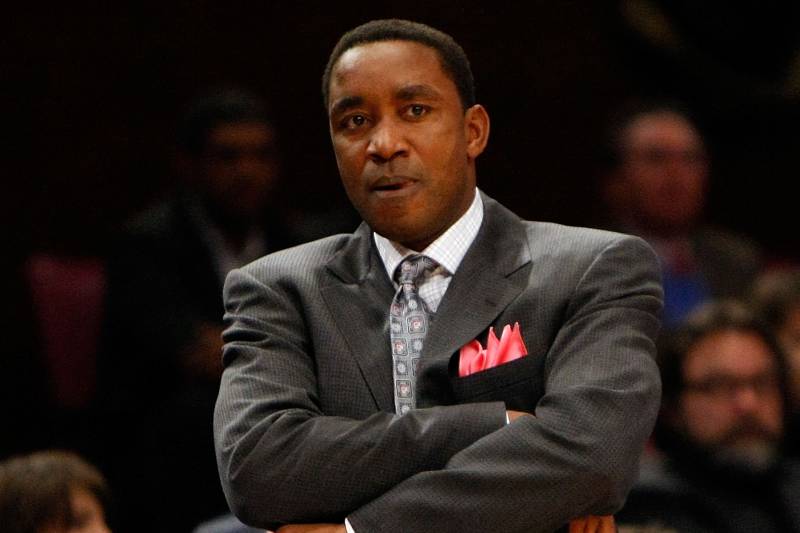
The Knicks would have a mini-revival in the early 1980s with Bernard King, be stellar through most of the 1990s, reaching the Finals in 1994 and 1999, but be stymied, first by Larry Bird's Boston Celtics, then by Isiah Thomas' Detroit Pistons, then by Michael Jordan's Jackson-coached Bulls. Finally, the Knicks would collapse, because owner Charles Dolan and his son, team operator James Dolan, trusted Isiah to be general manager, and even coach.
After one more year, Reed, DeBusschere and Lucas all retired, and the Knicks began to fall apart. Pearl, obtained from the Baltimore Bullets (forerunner of the Washington Wizards) after the Bullets beat the Knicks in the '71 Eastern Conference Finals, was the last to remain, in 1980.
The Knicks would have a mini-revival in the early 1980s with Bernard King, be stellar through most of the 1990s, reaching the Finals in 1994 and 1999, but be stymied, first by Larry Bird's Boston Celtics, then by Isiah Thomas' Detroit Pistons, then by Michael Jordan's Jackson-coached Bulls. Finally, the Knicks would collapse, because owner Charles Dolan and his son, team operator James Dolan, trusted Isiah to be general manager, and even coach.
Now, the Knicks are back, having won their 1st World Championship since 1973, 53 years. How long has it been?
*
The teams now named the Utah Jazz, the Dallas Mavericks, the Charlotte Hornets, the Miami Heat, the New Orleans Pelicans, the Orlando Magic, the Minnesota Timberwolves, the Toronto Raptors, the Memphis Grizzlies and the New Orleans Pelicans did not yet exist. The teams now named the Brooklyn Nets, the Indiana Pacers, the Denver Nuggets and the San Antonio Spurs did, in the American Basketball Association.
The Bullets were about to leave Baltimore for Washington, and were a long way from becoming the Wizards. There was an NFL team in Baltimore, but it was the Colts, not the Ravens. There was one in Houston, but it was the Oilers, not the Texans.
The home of the Knicks and the NHL's Rangers was still being called "the New Madison Square Garden Center." It is now the only arena used by an NBA team then that are still used now -- although the Baltimore Civic Center (now the CFG Bank Arena), the Cobo Arena in Detroit (now the Huntington Bank Arena), the Milwaukee Arena (a.k.a. The MECCA, now the UW-Milwaukee Panther Arena), the Kansas City Municipal Auditorium, the Hofheinz Pavilion in Houston (now the Fertitta Center), the Arizona Veterans Memorial Coliseum in Phoenix, The Forum in Inglewood outside Los Angeles, the Oakland Coliseum Arena and the Portland Memorial Coliseum still stand, and are still being used.
*
The teams now named the Utah Jazz, the Dallas Mavericks, the Charlotte Hornets, the Miami Heat, the New Orleans Pelicans, the Orlando Magic, the Minnesota Timberwolves, the Toronto Raptors, the Memphis Grizzlies and the New Orleans Pelicans did not yet exist. The teams now named the Brooklyn Nets, the Indiana Pacers, the Denver Nuggets and the San Antonio Spurs did, in the American Basketball Association.
The Bullets were about to leave Baltimore for Washington, and were a long way from becoming the Wizards. There was an NFL team in Baltimore, but it was the Colts, not the Ravens. There was one in Houston, but it was the Oilers, not the Texans.
The home of the Knicks and the NHL's Rangers was still being called "the New Madison Square Garden Center." It is now the only arena used by an NBA team then that are still used now -- although the Baltimore Civic Center (now the CFG Bank Arena), the Cobo Arena in Detroit (now the Huntington Bank Arena), the Milwaukee Arena (a.k.a. The MECCA, now the UW-Milwaukee Panther Arena), the Kansas City Municipal Auditorium, the Hofheinz Pavilion in Houston (now the Fertitta Center), the Arizona Veterans Memorial Coliseum in Phoenix, The Forum in Inglewood outside Los Angeles, the Oakland Coliseum Arena and the Portland Memorial Coliseum still stand, and are still being used.
The Islanders had just completed their 1st season, and the building they shared with the New York Nets of the ABA, the Nassau Coliseum, was a year and a half old. The Yankees, recently purchased by George Steinbrenner, and the Giants were terrible, and were still playing in Yankee Stadium, but only for a few more months, as the renovation would start in October. The Mets and the Jets were playing at Shea Stadium, and while the Jets were falling apart as Joe Namath's knees did, the Mets would have a lousy 1st 5 months -- and then a torrid September that would lead to a Pennant and very nearly a 2nd World Championship in 5 years.
The Devils' franchise had been created, but at this point it only existed on paper, as the Kansas City Scouts, to begin play in the fall of 1974. And there was the World Hockey Association's New York Raiders, playing at The Garden, but they were a mess and moved to South Jersey, fooling no one into thinking they were a Philadelphia team.
The biggest thing that would happen in New York Tri-State Area sports in 1973 was the Belmont Stakes, as Secretariat moved "like a tremendous machine" in winning by 31 lengths to clinch the Triple Crown.
1973 was the last season for NBA legend Wilt Chamberlain. Jerry West and Oscar Robertson, like Reed, DeBusschere and Lucas, would hang on for one more year. Lew Alcindor had just recently changed his name to Kareem Abdul-Jabbar. Julius "Doctor J" Erving would soon move from the ABA's Virginia Squires to the Nets. Bill Walton was still at UCLA, winning the recent National Championship, the 7th straight for coach John Wooden, in the middle of an 88-game winning streak.
Magic Johnson and Larry Bird were in junior high school. Michael Jordan, Patrick Ewing and Charles Barkley were in grade school. Shaquille O'Neal was a rather large baby. Kobe Bryant, Tim Duncan and LeBron James weren't born yet.
The same day the Knicks won the title, the Montreal Canadiens won their 18th Stanley Cup, beating the Chicago Blackhawks in Game 6 of the Finals. It was their 6th Cup in the last 9 seasons. The New England Whalers, then based in Boston, had just won the 1st WHA title, the AVCO Cup, beating ex-Blackhawk star Bobby Hull and his Winnipeg Jets. The Indiana Pacers were about to win their 3rd ABA title in the last 5 years, beating the Louisville-based Kentucky Colonels.
The defending World Champions in the other sports were the Oakland Athletics, with future Yankee legends Reggie Jackson and Catfish Hunter beating the Cincinnati Reds of Pete Rose, Johnny Bench and Joe Morgan; and the Miami Dolphins, who had won Super Bowl VII over the Washington Redskins to complete the only perfect NFL season in the playoff era (1932 to the present).
The Heavyweight Champion of the World was the undefeated George Foreman, who had just demolished Joe Frazier to take the title. Muhammad Ali had recently been dealt a loss and a broken jaw by Ken Norton, so it looked like Ali and Frazier were finished, and Foreman would be Champion for a while. Looks were deceiving.
The designated hitter had just debuted, Willie Mays' career was coming to a strange close, Hank Aaron had begun his approach to Babe Ruth's all-time record of 714 home runs, and Nolan Ryan had just pitched his 1st no-hitter and his 1st 19-strikeout game, on his way to a single-season record of 383 strikeouts.
Current Knicks coach Mike Brown was 3 years old. Giants coach John Harbaugh was 10. Rangers coach Mike Sullivan was 5. Islanders coach Peter DeBoer was about to turn 5. Jet coach Aaron Glenn was 10 months old. Yankee manager Aaron Boone was 2 months old. Nets coach Jordi Fernández, Mets manager Carlos Mendoza and Devils coach Sheldon Keefe weren't born yet.
The Olympic Games have since been held in America 4 times, Canada 3 times, twice each in Russia, Korea, Japan, China, France and Italy; and once each in Austria, Bosnia, Spain, Norway, Australia, Greece, Britain and Brazil. The World Cup has since been held in America, Mexico and Germany twice; and once each in Canada, Argentina, Spain, Mexico, Italy, France, Japan, Korea, South Africa, Brazil, Russia and Qatar.
There were 26 Amendments to the Constitution of the United States. Title IX had recently become law, and abortion had just been nationally legalized. The feminist and gay rights movements were underway.
The President of the United States was Richard Nixon, but the Senate was about to convene a special committee to investigate what was then being called "the Watergate matter." Nixon was now the only living President, as Harry Truman and Lyndon Johnson had both died within the last 5 months. Their widows, and those of Dwight D. Eisenhower and John F. Kennedy, were still alive.
Spiro Agnew as Vice President, but, in probably the most amazing thing about Watergate, Nixon's Vice President would have to resign his office, and it would have absolutely nothing to do with Watergate.
Gerald Ford was House Minority Leader. Jimmy Carter was Governor of Georgia. Ronald Reagan was Governor of California. George H.W. Bush was out of elective office, but had recently been appointed Chairman of the Republican National Committee, replacing a young Senator named Bob Dole. Bush's son had just been discharged from the Texas Air National Guard -- whether he had shown up for duty in the preceding year remains a mystery. Bill Clinton and Hillary Rodham had just moved in together, renting a house in New Haven, Connecticut, where they were both students at Yale Law School.
Barack Obama was in junior high school in the city where he was born, Honolulu, Hawaii. Joe Biden was in his 1st year as a U.S. Senator. And Donald Trump and his father were about to be sued by the U.S. Department of Justice for racist renting practices. Melania Knauvss was 3 years old.
The Governor of New York was Nelson Rockefeller, although he would soon resign to run something called the Commission on Critical Choices for Americans. (It couldn't have been that critical, because until I first wrote this piece, in 2013, I'd never heard of it.) Lieutenant Governor Malcolm Wilson would assume the job.
The Mayor of New York was John Lindsay, whose 2nd term was limping to a pathetic close. Abe Beame, who had been City Comptroller when Lindsay beat him for the Mayoralty in 1965, held the job again and was running again, and would defeat John Marchi, a State Senator from Staten Island whose upset victory in the 1969 Republican Primary forced Lindsay to run for re-election as an independent -- and win. But Beame's Mayoralty would be even more troubled than Lindsay's, and pave the way for that of Ed Koch.
Another weird race was across the Hudson River in New Jersey. Governor William T. Cahill had proposed the State's 1st income tax. Not signed into law, merely proposed it. Charlie Sandman, a very conservative loudmouth who represented the southernmost portion of the State in Congress, ran against Cahill in the Republican Primary, and won. But he got slaughtered in the general election by Essex County Prosecutor Brendan Byrne, when it was revealed that a local mob boss was caught on tape saying Byrne was the one politician in the area who couldn't be bought. Byrne won 66 percent of the vote.
Then, the next year, he got the State income tax passed, and dropped to an approval rating of 17 percent. People began calling him "One-Term Byrne." Unlike Jim Florio nearly 20 years later, he shook off the stupid tax protests, and got re-elected in 1977 with 56 percent of the vote.
The Prime Minister of Canada was Pierre Trudeau. The monarch of Great Britain was Queen Elizabeth II -- that has now changed -- and the Prime Minister was Edward Heath, who, like Senator Edward Kennedy and the Queen's great-grandfather, King Edward VII, was nicknamed "Ted."
No Nobel Peace Prize was awarded in 1972, so its holder was still the 1971 recipient, Chancellor Willy Brandt of West Germany. The Pope was Paul VI. Pope Leo XIV, then Robert Francis Prevost, was 17 years old, and was about to graduate from St. Augustine Seminary High School in Holland, Michigan. It closed in 1977. There have since been 10 Presidents of the United States (11 if you count Trump twice -- I wouldn't even count him once), 13 Prime Ministers of Britain, and 6 Popes.
The Governor of New York was Nelson Rockefeller, although he would soon resign to run something called the Commission on Critical Choices for Americans. (It couldn't have been that critical, because until I first wrote this piece, in 2013, I'd never heard of it.) Lieutenant Governor Malcolm Wilson would assume the job.
The Mayor of New York was John Lindsay, whose 2nd term was limping to a pathetic close. Abe Beame, who had been City Comptroller when Lindsay beat him for the Mayoralty in 1965, held the job again and was running again, and would defeat John Marchi, a State Senator from Staten Island whose upset victory in the 1969 Republican Primary forced Lindsay to run for re-election as an independent -- and win. But Beame's Mayoralty would be even more troubled than Lindsay's, and pave the way for that of Ed Koch.
Another weird race was across the Hudson River in New Jersey. Governor William T. Cahill had proposed the State's 1st income tax. Not signed into law, merely proposed it. Charlie Sandman, a very conservative loudmouth who represented the southernmost portion of the State in Congress, ran against Cahill in the Republican Primary, and won. But he got slaughtered in the general election by Essex County Prosecutor Brendan Byrne, when it was revealed that a local mob boss was caught on tape saying Byrne was the one politician in the area who couldn't be bought. Byrne won 66 percent of the vote.
Then, the next year, he got the State income tax passed, and dropped to an approval rating of 17 percent. People began calling him "One-Term Byrne." Unlike Jim Florio nearly 20 years later, he shook off the stupid tax protests, and got re-elected in 1977 with 56 percent of the vote.
The Prime Minister of Canada was Pierre Trudeau. The monarch of Great Britain was Queen Elizabeth II -- that has now changed -- and the Prime Minister was Edward Heath, who, like Senator Edward Kennedy and the Queen's great-grandfather, King Edward VII, was nicknamed "Ted."
No Nobel Peace Prize was awarded in 1972, so its holder was still the 1971 recipient, Chancellor Willy Brandt of West Germany. The Pope was Paul VI. Pope Leo XIV, then Robert Francis Prevost, was 17 years old, and was about to graduate from St. Augustine Seminary High School in Holland, Michigan. It closed in 1977. There have since been 10 Presidents of the United States (11 if you count Trump twice -- I wouldn't even count him once), 13 Prime Ministers of Britain, and 6 Popes.
England's Football League was won by Liverpool in a close race over London's Arsenal. The FA Cup was won by second-division North-East club Sunderland in a shock over Yorkshire's mighty Leeds United. The European Cup, for the 3rd season in a row, was won by Johan Cruyff's powerful but beautiful Amsterdam club Ajax. Soon, Cruyff would move on to Spain's FC Barcelona, and build that club's system, and thus build significantly on the legend it already had.
The New York Cosmos -- not yet with Pele and Franz Beckenbauer -- were playing at Hofstra University's football stadium, now named James M. Shuart Stadium, across from the Jets' training complex and the Nassau Coliseum, and were dethroned as North American Soccer League Champions by the Philadelphia Atoms. Hardly anybody in North America cared.
Major novels of 1973 included Gravity's Rainbow by Thomas Pynchon, Breakfast of Champions by Kurt Vonnegut, The Princess Bride by William Goldman, Demon Seed by Dean Koontz (which would be made into a 1977 film in which Julie Christie plays a woman who gets impregnated by a computer), Rubyfruit Jungle by Rita Mae Brown, and Postern of Fate, the last novel written by Agatha Christie.
Robert Ludlum published The Matlock Caper, but it wasn't about a lawyer in Atlanta who looked like Andy Griffith -- or one in New York who looks like Kathy Bates. In non-fiction, Hunter S. Thompson published Fear and Loathing on the Campaign Trail '72, Peter Maas Serpico (the film verison with Al Pacino as the real-life New York cop would premiere in December), and Flora Rheta Schreiber Sybil.
J.R.R. Tolkien would live another 4 months. George R.R. Martin was teaching at Clarke University in Iowa. Stephen King was teaching at a high school in Maine, and his 1st novel, Carrie, had been accepted for publication the next year. J.K. Rowling was 7 years old.
No one had yet heard of George Smiley, the Punisher, Lestat de Lioncourt, Rocky Balboa, T.S. Garp, Arthur Dent, Jason Bourne, Hannibal Lecter, Celie Harris, Kinsey Millhone, Jack Ryan, Forrest Gump, John McClane, Alex Cross, Bridget Jones, Robert Langdon, Bella Swan, Leroy Jethro Gibbs, Lisbeth Salander, Katniss Everdeen, Walter White, John Wick or Maggie Bell.
Major movies released in the spring of 1973 included the film version of Godspell, an updated version of Raymond Chandler's story The Long Goodbye with Elliott Gould as Philip Marlowe and ex-Yankee pitcher Jim Bouton as the killer, Pat Garrett & Billy the Kid with James Coburn and Kris Kristofferson in the title roles and Bob Dylan with a cameo, the Anthony Hopkins & Claire Bloom version of Henrik Ibsen's play A Doll's House, the blaxploitation/feminist films Cleopatra Jones and Coffy, and, released the day before the Knicks won the title, Paper Moon, with real-life father and daugther Ryan and Tatum O'Neal as Depression-era con artists. (Ryan died in 2023. I wonder if he ever paid Tatum the $200.)
Gene Roddenberry had just seen his project Genesis II flop on CBS. George Lucas was about to release American Graffiti. Steven Spielberg was working on his 1st feature film, The Sugarland Express. The cartoon Super Friends was about to premiere, meaning that George Reeves would be succeeded as Superman (sort of) by Danny Dark, and Adam West as Batman by Olan Soule. Shannon Farnon became the voice of Wonder Woman. Roger Moore was about to debut as James Bond in Live and Let Die. Jon Pertwee was playing The Doctor.
Bonanza finally went off the air, while Gunsmoke hung on a little longer. Johnny Carson had recently moved The Tonight Show from New York to Los Angeles. M*A*S*H wrapped up its 1st season, All in the Family its 3rd. CBS had recently revived The Price Is Right, and was about to revive Match Game, which had aired on NBC from 1962 to 1969. Paul McCartney's 1st solo TV special had recently aired on ABC, to coincide with his Wings album Red Rose Speedway.
Paul's fellow ex-Beatle George Harrison released Living in the Material World. Bob Dylan was about to release "Knockin' On Heaven's Door." Elvis Presley had released the soundtrack to his recent TV special Aloha from Hawaii via Satellite. Frank Sinatra was about to start recording his comeback album, Ol' Blue Eyes Is Back. The Jackson 5 had released Skywriter.
Led Zeppelin were on tour in the U.S., including the Garden concert that would be filmed for The Song Remains the Same. David Bowie released Aladdin Sane, Bob Marley Catch a Fire, the Eagles Desperado, Paul Simon There Goes Rhymin' Simon, the Carpenters Now & Then, Earth Wind & Fire Head to the Sky, Chicago Chicago VI, Aretha Franklin Hey Now Hey (The Other Side of the Sky), Carole King Fantasy, and John Denver Farewell Andromeda. The Number 1 song in America was "Tie a Yellow Ribbon Round the Ole Oak Tree" by Tony Orlando & Dawn.
Robert Kardashian had just co-founded Radio & Records magazine, stepping aside from his legal practice. Bruce Jenner was training to better his 1972 Olympic performance in the decathlon -- 10th place. Kris Houghton was in high school. None of them had ever heard of each other.
Inflation was about to have its 1st big increase of the post-World War II era: What $1.00 bought then, $7.63 would buy now. A U.S. postage stamp cost 8 cents, and a Subway ride in New York 35 cents. The average price of a gallon of gas was 37 cents (but was about to soar thanks to the OPEC price hike), a cup of coffee 51 cents, a McDonald's meal (Big Mac, fries, shake) $1.47, a movie ticket $1.72, a new car $2,900, and a new house $35,100. The Dow Jones Industrial Average closed that day at 939.34.
The portable telephone had just been introduced by Motorola. Cordless home phones and the desktop computer were still a ways off. Steve Jobs, Bill Gates and Tim Berners-Lee were turning 18. Social media was the stuff of science fiction.
The portable telephone had just been introduced by Motorola. Cordless home phones and the desktop computer were still a ways off. Steve Jobs, Bill Gates and Tim Berners-Lee were turning 18. Social media was the stuff of science fiction.
Skylab was launched, and became the biggest lemon in the history of space travel -- so far. Automatic teller machines were still a relatively new thing, and many people had never seen one. The very first home video game system, the Magnavox Odyssey, had been introduced the preceding September. There were heart transplants, liver transplants and lung transplants, and artificial kidneys, but no artificial hearts. There were birth control pills, but no Viagra.
In the Spring of 1973, the World Trade Center opened in New York, becoming the tallest building(s) in the world -- only to be topped just a month later by the Sears Tower in New York. The American Indian Movement ended their 10-week standoff at Wounded Knee, South Dakota. LexisNexis and Federal Express (FedEx) began operations. A military coup ended democracy in Greece. Mark Felt retired from the FBI -- and, at this point, only he, Washington Post reporter Bob Woodward, and Post editor Ben Bradlee knew he was Woodward's Watergate source, nicknamed "Deep Throat."
Noel Coward, and Pablo Picasso, and Jeannette Rankin died. She was the 1st woman elected to Congress, the Montana Representative who voted against America's entry into World War I, and then became the only member of either house of Congress to vote against America's entry into World War II. She lost her seat because of both votes, but was only able to come back the first time. Also dying in the Spring of 1973 were Robert Armstrong and Merian C. Cooper, the male lead and the director of King Kong.
Sasha Alexander, and Heidi Klum, and Neil Patrick Harris were born. So were sports stars Derek Lowe, Tedy Bruschi, Roberto Carlos and Haile Gebreselassie.
May 10, 1973. The New York Knicks were World Champions. It took them 53 years, 1 month and 3 days to do it again.
And now, they have overcome.