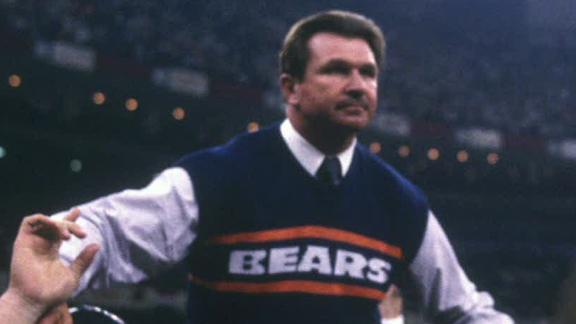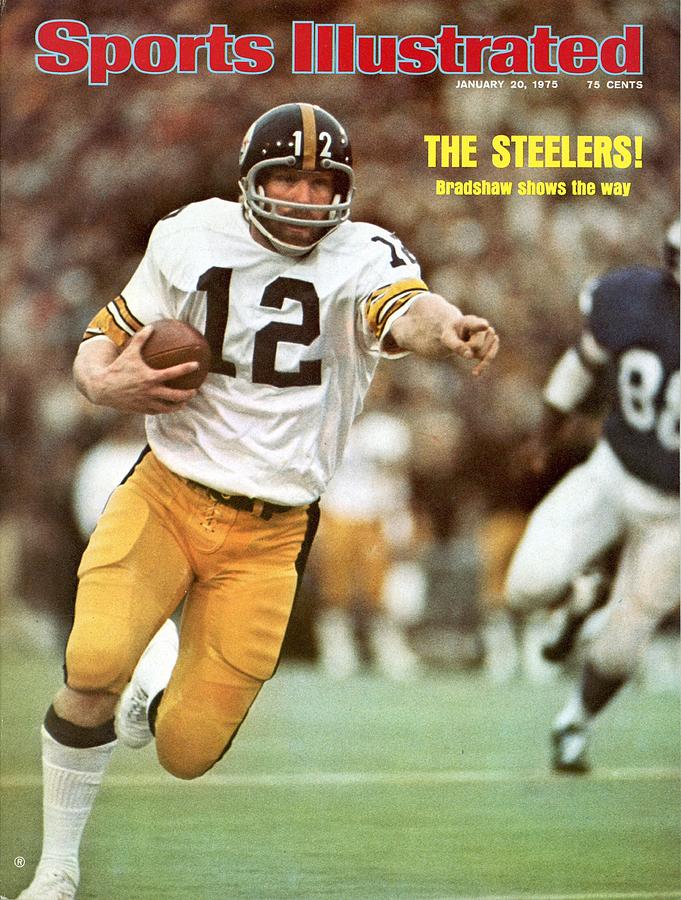
Showing posts with label chuck noll. Show all posts

Sunday, January 12, 2025

January 12, 1975: A Win for Pittsburgh

January 12, 1975, 50 years ago: Western Pennsylvania, and Pittsburgh in particular, has long been known as a source of football talent and football fandom. But up to this day, it had never won a professional football championship.

Art Rooney founded the NFL's Pittsburgh Steelers on May 19, 1933. He and his wife, the former Kathleen "Kass" McNulty, lived in the Troy Hill section of the North Side of Pittsburgh, and raised 5 sons. They were Dan, Art Jr., Tim, Patrick and John. They would have 32 grandchildren and 75 great-grandchildren.

Art Jr. said that Art Sr., known to all of Western Pennsylvania as "The Chief," always told his sons, "Treat everybody the way you'd like to be treated. Give them the benefit of the doubt. But never let anyone mistake kindness for weakness." Or, as Art Jr. put it, "He took the Golden Rule, and put a little bit of the North Side in it."

The Steelers were founded when they were because 1933 was the year the Commonwealth of Pennsylvania finally repealed the "blue law" prohibiting professional sports on Sunday. This also enabled the Philadelphia Eagles to be founded on July 8, 1933.

Both teams struggled for years. Indeed, the manpower drain of World War II led them to merge the teams for the 1943 season, and the team was nicknamed the "Steagles." In 1947, at last, the Steelers finished 1st in the NFL's Eastern Division. Well, in a tie for it. With the Eagles. And the Eagles won a Playoff at Pittsburgh's Forbes Field.

That was the closest the Steelers would get to an NFL Championship Game for another quarter of a century. In 1955, Dan and Art Jr. seemed to be the only people at Steeler training camp to notice a young Pittsburgh native who was trying to make the team as a quarterback. But Art Sr. deferred to his head coach, a run-centric old-schooler named Walt Kiesling.

Kiesling is not well-remembered today. The young quarterback is: He was picked up by the Baltimore Colts, and he made that team, and himself, legend. He was Johnny Unitas.

If Art Sr. had died shortly after the Jets won Super Bowl III on January 12, 1969, it would have been said that the best thing he did for his team was to die, so that his son could run the team. Instead, his sons held what we would now call an "intervention," telling him that they should take over the operations of the team. He agreed -- and lived another 20 years, in which the sons turned the Steelers from a joke franchise into an iconic team of American sports.

Pretty much the first thing that Dan Rooney did was offer the Steelers' head coaching job to the head coach at nearby Penn State, Joe Paterno. Paterno turned him down. So Dan offered it to the defensive coordinator of the team the Jets had just beaten in the Super Bowl, who had been on the staff of the San Diego Chargers team that won the 1963 AFL Championship, and a lineman who had won 2 NFL Championships with the Cleveland Browns: Chuck Noll.


Dan put his brother Art Jr. in charge of the team's drafts. His drafts included:

* 1969: Defensive tackle Joe Greene, offensive tackle Jon Kolb and defensive end L.C. Greenwood.

* 1970: Quarterback Terry Bradshaw and cornerback Mel Blount.

* 1971: Linebacker Jack Ham, guard Gerry Mullins, defensive tackles Dwight White and Ernie Holmes, tight end Larry Brown, and safety Mike Wagner.

* 1972: Running back Franco Harris and defensive tackle Steve Furness.

* And in 1974, in perhaps the greatest single draft in NFL history, he selected receivers Lynn Swann and John Stallworth, linebacker Jack Lambert, and center Mike Webster -- 4 Hall-of-Famers in one draft. And that's not counting safety Donnie Shell, who wasn't drafted in 1974, but was signed anyway, and is in the Hall.

Counting Greene, Bradshaw, Blount, Ham and Harris, that was 10 Hall-of-Famers in 6 drafts. Counting Noll, 11 -- all based on the decisions of Dan Rooney and Art Rooney Jr. To put that in perspective: The team had 5 players from 1933 to 1968 who ended up making the Hall.

It took a while to build a winner, especially because Noll and Bradshaw had a contentious relationship. Moving from 1925-built Pitt Stadium into the new Three Rivers Stadium in 1970 helped. In 1972, the Steelers went 11-3, won the AFC Central Division Championship, and reached the AFC Championship Game, thanks to a pass Bradshaw threw that deflected off Oakland Raider safety Jack Tatum and ended up being caught and taken in for a Divisional Playoff-winning touchdown by Harris, known as "the Immaculate Reception." 

They made the Playoffs again in 1973, going 10-4. But they didn't make the Super Bowl either time. In 1974, they went 10-3-1, and won the AFC Central Division again. In the Divisional Playoff, they beat the Buffalo Bills, 32-14 at Three Rivers. This would be the only Playoff game of O.J. Simpson's career: Although he caught a touchdown pass, he couldn't help the Bills win, and he never got to another.

They had to go to the Oakland Coliseum to win the AFC Championship -- this would be the last season that a rotation chose the site of the Conference Championship games, rather than which team had the better record -- and beat the Raiders, 24-13. They would play Super Bowl IX at Tulane Stadium in New Orleans, site of the annual Sugar Bowl, against the Minnesota Vikings.

Both teams had named defenses. Reminiscent of the Iron Curtain across Europe, the Steelers' front seven was known as the Steel Curtain: Tackles Greene and White, ends Greenwood and Holmes, and linebackers Lambert, Ham and the veteran Andy Russell. The Vikings, due to their jersey color reminding people of Sheb Wooley's novelty song that hit Number 1 in 1958, had a defense known as the Purple People Eaters. So it's not surprising that Super Bowl IX was one of the lowest-scoring championship games in NFL history.

Western Pennsylvania had been hit hard over the last 10 years. The coal and steel industries had severely declined. The industries that would replace them and get Pittsburgh, if not the small towns nearby, back on its feet -- computers and health care -- had not yet arrived. Labor unions were losing power.

"White flight" increased the population of the suburbs, but dropped that of the city itself. The city's population peaked at 676,806 in the 1950 Census, but was down to 520,117 in 1970. This decline continues, having reached 302,971 in 2020. The metropolitan area dropped from 2.8 million in 1960 to 2.3 million in 2010, but has gained a little back since then.

The city's sports teams had always been a rallying point, but were also inconsistent. Like the nursery rhyme about the little girl with the curl in the middle of her forehead, when they were good, they were very, very good; but when they were bad, they were horrid.

The city had a team in the NBA during its inaugural season of 1946-47, the Pittsburgh Ironmen, but they failed after that season. The Pittsburgh Condors won the title in the 1st season of the American Basketball Association, 1967-68. But when their biggest star, Connie Hawkins, had his ban from the NBA (due to an overreaction to his role in a point-shaving scandal) lifted in 1969, he went to the Phoenix Suns, and the Pipers were doomed. A rebranding to the Pittsburgh Condors in 1970 didn't help, and they folded in 1972.

The NHL granted the Steel City an expansion team in 1967, the Pittsburgh Penguins. They made the Playoffs in 1970 and '72, and would again in '75, but, at the time, they were nothing special. By far the most successful team in town was the baseball team, the Pirates. They had won the National League Eastern Division title in 1970, '71, '72, '73 and '74, and would again in '75. But aside from 1971, they couldn't win a Pennant. They won the World Series that year, but the death of Roberto Clemente in a plane crash after the 1972 season cast a pall over them that left them unable to return to the Fall Classic.

But football was the sport in Pittsburgh, and in all of Western Pennsylvania. It was especially known for producing great quarterbacks, such as Unitas (from Bloomfield on the city's East Side), Johnny Lujack (Connellsville, 50 miles southeast of downtown), George Blanda (Youngwood, 36 miles southeast), and Joe Namath (Beaver Falls, 30 miles northwest). Later would come Joe Montana (New Eagle, 23 miles south), Dan Marino (South Oakland, on the East Side) and Jim Kelly (East Brady, 57 miles northeast).

Still, the city was looking for its 1st pro football championship. It hadn't happened in the NFL. And the city didn't have teams in any of the AFLs, or the AAFC. Now, it looked to Coach Noll, the Steel Curtain, and Bradshaw, "the Blond Bomber" from Shreveport, Louisiana, to get that 1st title.

A full house of 80,997 fans filed into Tulane Stadium. Despite the Vikings having been to the Super Bowl the year before (losing to the Miami Dolphins), and 4 years before that (losing to the Kansas City Chiefs), the Steelers were favored by 3 points. The weather was bad: 46 degrees, with the artificial turf field a bit slick due to rain the previous day. (The game was supposed to be played indoors at the Superdome, but construction delays forced that stadium's opening to the following August.)

Talk about low-scoring: Not only did the 1st quarter end 0-0 (the Steelers' Roy Gerela missed 2 field goal attempts, and the Vikings only got 20 total yards), but the only score of the 1st half was the 1st safety in Super Bowl history.

Fred Cox missed a field goal for the Vikings. On their next possession, Viking quarterback Fran Tarkenton pitched the ball behind him to Dave Osborn. That may have been his name, and he may have been in the Super Bowl, but unlike the daredevil character created by comedian Bob Einstein, this Dave Osborn was not super: He never had control of the ball, and Tarkenton, known as a "scrambler," ran to the ball and fell on it. White just had to touch him, and it was 2-0 Steelers.

The Steelers got a drive going in the 3rd quarter, and Franco Harris ran the ball in for a touchdown and a 9-0 Pittsburgh lead. And that would be all the scoring in the game's 1st 45 minutes. The Steelers forced a fumble in the 4th quarter, but had the tables turned when the Vikings blocked one of their punts, and Terry Brown recovered the ball in the end zone. But Cox missed the extra point. With 10:33 to go, the Vikings trailed only 9-6. Through the 2023 season, that remains the closest the Vikings have ever come to becoming World Champions.

So often derided as dumb, Bradshaw proved he was a smart quarterback. He launched an 11-play, 66-yard drive, ending with a 4-yard pass to Brown. The touchdown put the Steelers up 16-6 with 3:31 left. Tarkenton threw a pass that was intercepted by Wagner, and the Steelers ran the clock down as much as they could. With 38 seconds left, there was nothing the Vikings could do.

The Pittsburgh Steelers were World Champions. Harris was named the game's Most Valuable Player. At the time, Noll was the youngest man ever to coach a team to victory in the Super Bowl: He had just turned 42. Pete Rozelle said his happiest moment in his 29 seasons as Commissioner of the NFL was handing the Vince Lombardi Trophy to Art Rooney Sr. -- but it was because of the building done by Dan and Art Jr.
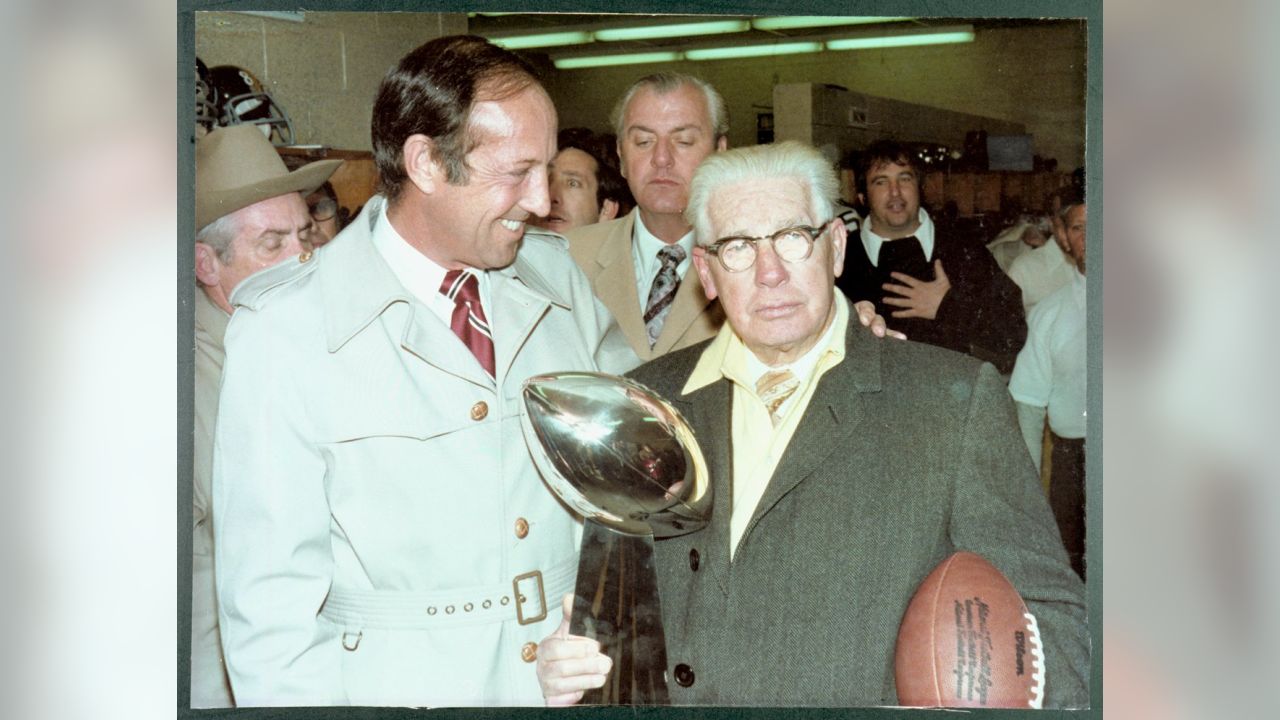
Art Sr. wanted it. The organization as a whole, and even Western Pennsylvania as a whole, needed it. The Steelers would reach 4 Super Bowls (IX, X, XIII and XIV), winning all of them, in a span of 6 years.

All tolled, under Dan Rooney's operation, 48 seasons, they reached the Playoffs 29 times, won 22 Division titles (15 in the old AFC Central, 7 in the AFC North following the 2002 realignment), reached 16 AFC Championship Games, won 8 AFC Championships, and won 6 Super Bowls, the most NFL Championships in the Super Bowl era. He also built Heinz Field (now Acrisure Stadium), the Steelers' new home, for the 2001 season, and it is one of the best stadiums in the NFL.

The Steelers became a cultural phenomenon, with their black and gold uniforms, their helmets with the "Steelmark" logo on only the right side with the left side remaining blank, their multi-ethnic working-class fan base, and their bright yellow Terrible Towels being waved in the stands (first at Three Rivers Stadium, then at Heinz Field).

Much like Liverpool Football Club in England, the Steelers had great success in the 1970s, in a city hit hard by industrial decline, where the "football" team meant everything. As with the 1965 Los Angeles Dodgers and the 1968 Detroit Tigers with their World Series wins following race riots, a community in another kind of trouble rallied around a great team, to lift them up, to show a country that had been looking down on them that they were still entitled to some pride.

The fact that the Steelers stood up, usually successfully, to the Dallas Cowboys and the Oakland Raiders, 2 of the most hated NFL teams nationwide, also helped boost their national image. Along with the Cowboys, the Raiders, the Green Bay Packers (due to their similar cultural stamp in the 1960s) and the Chicago Bears (ditto for the 1980s), the Steelers are one of the few NFL teams to have a nationwide fan base. 
In New York and New Jersey, 400 miles from Pittsburgh, you can see Steeler bumper stickers and window stickers on cars every day.

Art Rooney Sr. died in 1988, and Dan became majority owner, replacing Noll with Bill Cowher in 1992. By that point, Art Jr. had reduced his involvement in the team. The Steelers won the 1995 AFC Championship, but history was turned on its head, and the Steelers lost Super Bowl XXX to the Cowboys.

In 2003, Dan followed in his father's footsteps, and handed over day-to-day operations to his son, Art Rooney II (grandson of the founder and nephew of Art Jr.). It was Art II who oversaw the building of the teams that won Super Bowls XL and XLIII and lost Super Bowl XLV, and in 2007 replaced the retiring Cowher with his assistant, Mike Tomlin, the team's 1st black head coach. Dan died in 2017.

Friday, January 12, 2024

Top 10 NFL Coaches

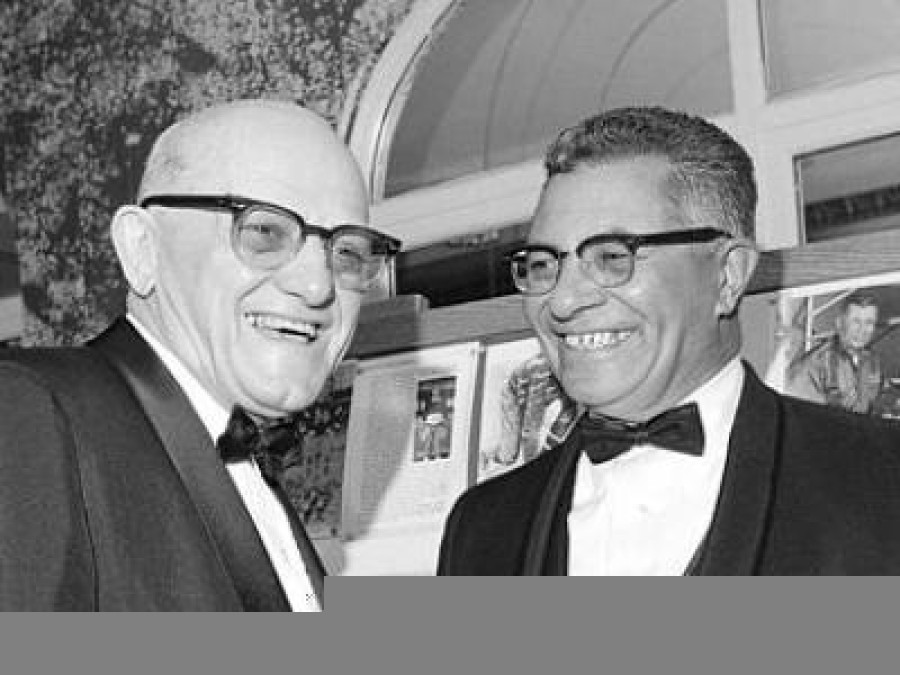
Left: The most important coach in NFL history.
Right: The greatest coach in NFL history.

Don't tell me that Bill Belichick, who was fired as head coach of the New England Patriots yesterday, is "the greatest coach in NFL history." He is not. Bill Belichick is a damn cheat. And without his biggest co-conspirator in cheating, Tom Brady, we saw the real Belichick, in Cleveland, 1991-95: 36-44. And in New England after Brady, 2020-23: 29-38.

And so, to everybody calling him the greatest coach in NFL history, I quote a great football coach, though not in American football, who never had to cheat, Brian Clough: "You lads are a bloody disgrace!

Top 10 Greatest NFL Coaches

10. Tom Landry. Dallas Cowboys, 1960-88. His greatest contribution may have come as defensive coordinator for the New York Giants, as he invented the 4-3 defense. As a head coach, he won 13 Division titles, reached 12 NFL or NFC Championship Games, and reached 5 Super Bowls, winning 2. Built not one but two great offenses, and not one but two great defenses. Won a Super Bowl against Shula's Dolphins.

I'd rank him higher, but the Cowboys did get a lot of breaks.

9. Weeb Ewbank. Baltimore Colts, 1954-62. New York Jets, 1963-73. A few coaches have won back-to-back NFL Championships, and he's one. But he's the only one to win titles in both the NFL and the AFL, and beat Shula's Dolphins in Super Bowl III.

8. Joe Gibbs. Washington Redskins, 1981-92, 2004-07. With Daniel Snyder as the team's owner the 2nd time around, he couldn't do much. With Jack Kent Cooke as the owner the 1st time around, he took the team to 4 Super Bowls in 9 seasons. Even more remarkable, and this is something no other coach in NFL history can claim, he won 3 Super Bowls, each with a different quarterback. Won a Super Bowl against Shula's Dolphins and an NFC Championship Game against Landry's Cowboys, and split 2 NFC Championship Games against Walsh's 49ers.

7. Bill Parcells. New York Giants, 1983-90. New England Patriots, 1993-96. New York Jets, 1997-99. Dallas Cowboys, 2003-06. Coaching in New York magnified his personality, and made him seem better than he was. But he turned 3 different franchises from horrible losers into winners.

He led the Giants to 2 Super Bowl wins, he got the Patriots into a Super Bowl and saved them from being moved -- at least out of Massachusetts to Connecticut, and possibly out of New England entirely -- and, in what has got to be his greatest achievement, he got the Jets to within a half of a Super Bowl. (Okay, Walt Michael and Rex Ryan also did that, and Ewbank took them all the way. Still.)

6. Don Shula. Baltimore Colts, 1963-69. Miami Dolphins, 1970-95. He won more games than any other NFL coaches, both if you count only the regular season and if you also count the postseason. He built 4 strong defenses: With the Detroit Lions as an assistant coach, in Baltimore, and in Miami in the early 1970s and again in the early 1980s.

He won 15 Division titles, and reached 7 NFL championship games, including 6 Super Bowls. His record in those games was 2-5, and they included a game he never should have lost, Super Bowl III, to Ewbank's Jets. Also lost one each to Landry's Cowboys, Gibbs' Redskins and Walsh's 49ers. But they also included Super Bowls VII and VIII, and VII finished the only undefeated NFL season since the NFL began having playoffs in 1932.

5. George Halas. Chicago Bears, 1920-29, 1933-42, 1946-55, 1958-67. Most NFL Championships, 8. Okay, he was owner for 8 and general manager for 8, but head coach for "only 6." But he never had to cheat. His 324 wins were the record until Shula. Also, unlike the guy at Number 1, an innovator, as he created the modern passing game.

Of course, his greatest innovations were not on the sideline, but in the boardroom, and not just because he founded the damn league.

4. Bill Walsh. San Francisco 49ers, 1979-88. Took a 2-14 team, and made them Super Bowl winners in 2 years. Built maybe the greatest offense in football history. Won 3 Super Bowls and had the team in place that would win 2 more.

Won a Super Bowl against Shula's Dolphins, an NFC Championship Game against Landry's Cowboys, and a Divisional Playoff against Parcells' Giants. Split 2 NFC Championship Games against Gibbs' Redskins.

3. Chuck Noll. Pittsburgh Steelers, 1969-91. Took the worst team in the NFL -- not just at the time, but historically -- and, in 4 seasons, built them into a team that would reach the Playoffs 8 straight years, winning 7 Division titles, reaching 4 Super Bowls, and winning them all, 2 of them against Landry's Cowboys. His offense was as good as any the NFL has ever seen. His defense was even better than that. Split 2 Playoff meetings with Shula's Dolphins.

2. Paul Brown. Cleveland Browns, 1946-62. Cincinnati Bengals, 1968-90. Also, Ohio State, 1941-43. The 1st man ever to coach both an NCAA and an NFL Champion. Won the title in the All-American Football Conference in all 4 seasons of its existence. Won 3 NFL titles. Reached his league's title game 10 straight seasons.

The greatest offensive genius the sport has ever known. Worth noting that Ewbank, Shula, Noll and Walsh either played for him or were on his coaching staff.

1. Vince Lombardi. Green Bay Packers, 1959-67. Washington Redskins, 1969. In 1958, the Packers were 1-10-1. 1st year: Got them over .500. 2nd year; Division title. 3rd year: NFL Champions. 4th year: NFL Champions. 5th year: Missed Playoffs. 6th year: Missed Playoffs. 7th year: NFL Champions. 8th year: NFL and World Champions. 9th year; NFL and World Champions. To win those 8th and 9th year NFL Championships, had to beat Landry's Cowboys.

Took a year off, a year in which the Redskins were 5-9. 1st year: Got them over .500. Developed cancer and died before his 2nd year with Washington. In what would have been his 4th year, George Allen, a former Halas assistant, got them into the Super Bowl, and came closer than anyone expected to beating Shula's Dolphins.

Top that, Belichick, and do it without cheating. You can't. No one ever has.

Saturday, June 14, 2014

Chuck Noll, 1932-2014

To have won 2 World Championships in Cleveland is hard. To have won 4 World Championships in Pittsburgh is hard. To have done both is next to impossible. And to be admired in both cities, well, how many names can that list possibly have?

I can think of only one name: Chuck Noll.

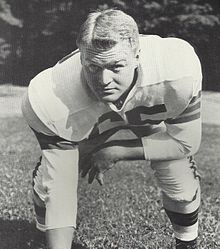
Charles Henry Noll was born on January 5, 1932 in Cleveland, and grew up on the East Side, which was largely becoming a black neighborhood. This prepared him for a football career in which he would have to play alongside, and later coach, black men. He once played on a youth team with Harold Owens, whose uncle was the Alabama-born, Cleveland-raised track star Jesse Owens.

He was a running back and a defensive tackle at Benedictine High School, whose alumni also include baseball player Mike Easler, golfer Tom Weiskopf, and Cleveland's most honored sportswriter, Terry Pluto. He played at the University of Dayton, and was named a co-captain as a senior. He was nicknamed "the Pope," because a teammate said that, when it came to football, he was "infallible." This may not have sat well with some: Like his high school, the University of Dayton is a Catholic institution.

Cleveland Browns head coach Paul Brown must have detected Chuck Noll's football knowledge, and selected him in the 1953 NFL Draft, and, at the dawn of the two-platoon era in the NFL, kept him at defensive tackle. The Browns lost the NFL Championship Game to the Detroit Lions that season, but beat the Lions in the 1954 NFL Championship Game, and the Los Angeles Rams in the 1955 edition.
Brown respected Noll's football knowledge so much, he would defy the new two-platoon system, and send him in at guard, and deliver the plays to quarterback Otto Graham. Graham resented this: As a man who got into Northwestern University, as close to an Ivy League institution as the Midwest has, he was very smart, and had already proven it for Brown time and time again. Noll resented it, too, and hated being, as he put it, a "messenger boy."

In his rookie year, the Browns played the Philadelphia Eagles, who had the great center and linebacker Chuck Bednarik. Bednarik was as tough as men have ever come, and hadn't yet started wearing a facemask, which was a new innovation at the time. He snapped the ball, raised his head, and got clobbered by the onrushing tackle. When he came to, he saw the player who hit him turn around and walk away. He couldn't see the face, but when his eyes cleared, he saw the uniform number: 65. And he said, "You son of a bitch! I'll get you!"

The first chance he got, Bednarik looked at the Browns' roster: Number 65 was Noll. For whatever reason -- it wasn't injuries, nor was it military service, as was possible with the military draft still in place -- Bednarik didn't have a good shot at "getting" Noll for 4 years. On October 13, 1957, the Browns played the Eagles at Cleveland Municipal Stadium, and Bednarik roughed Noll up all game on the line of scrimmage.

As the clock ticked down, Noll screamed at Bednarik that not only would he take him out, but he'd fight the entire Eagle team. Bednarik later admitted that the declaration was "Pretty tough." He told Noll he wouldn't have to do that, that he'd be ready for him. When the final gun went off, with the Browns 24-7 victors, Noll came at Bednarik. But he made a crucial mistake: He'd removed his helmet. He yelled, "Are you ready, you -- " But before he could call Bednarik whatever he was going to call him, he was close enough for Bednarik to launch, as the singer Jimmy Dean would later put it, a crashing blow from a huge right hand. Noll was out cold, and a tremendous melee began between the teams.

NFL Commissioner Bert Bell had been the founder of the Eagle franchise in 1933, still had the League office in his hometown of Philadelphia, and attended every Eagle home game. Knowing that a quirk in the schedule had the teams playing each other again the very next week, in Philly, Bell hauled Bednarik into his office, and told him to go into the Browns' locker room at Connie Mack Stadium, and apologize to Noll in front of everybody.

Bednarik knew he was one of the best all-around players the sport had ever seen. He also knew what would happen to him if he refused: Then, as now, the one thing you absolutely cannot do as an NFL player is embarrass the League. No player, no matter how good, could get away with that.

So Bednarik went into the Eagle locker room, walked up to Noll, and apologized for his actions the week before. Noll glared at him, and growled, "Bullshit." Bednarik figured he'd followed orders, and done all he could do. So he turned around, and began to walk away, and only then did Noll say, "All right, I accept your apology." The Eagles won that game, 17-7.

The Browns reached the NFL Championship Game again that season, Jim Brown's rookie year, but lost to the Lions, and lost a Playoff for the 1958 NFL Eastern Division title to the Giants. After the 1959 season, Noll lost his starting position to John Wooten, and retired.

*

No college hired him as a coach. Nor did any NFL team. But Sid Gillman, taking charge of the Los Angeles Chargers in the inaugural season of the American Football League, needed smart football men, and hired Noll. (He would also give Al Davis and John Madden, the men who built the Oakland Raiders into champions, their first coaching jobs.) The team moved to San Diego the next season. In the AFL's 1st 6 seasons, the Chargers reached the Championship Game 5 times, but only won in 1963.

He was offered a position on the staff of Don Shula with the Baltimore Colts, and in 1968, they won the NFL Championship. But now, there was an AFL-NFL World Championship Game, and that season was the 1st in which it was officially called the Super Bowl -- retroactively renamed Super Bowl III.

Legend has it that Billy Sullivan, owner of the AFL's Boston Patriots (they took the "New England" name for the 1971 season) was going to take an assistant coach from the staff of the winning team to be his new head coach. He presumed it would be the Colts, and his choice was Noll. But the Jets won in the legendary upset, and Sullivan chose one of their assistants instead, Clive Rush. It was a disaster. Imagine how the history of the NFL might have been changed if Chuck Noll had been the Pats' coach. (Or, for that matter, a different Jet assistant coach: Buddy Ryan.)

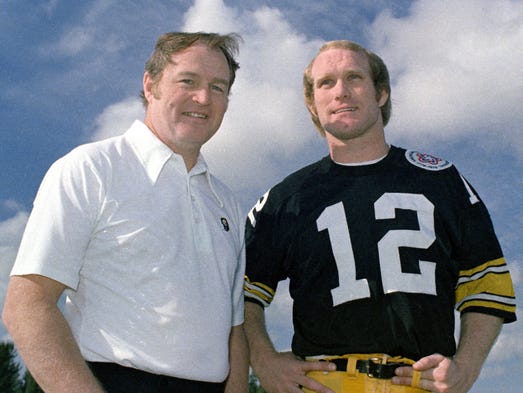
But Noll did get a coaching job for the 1969 season, with the Pittsburgh Steelers. Their founding owner, Art Rooney, finally realized that his love of the game far exceeded his knowledge of it, and handed the team off to his sons Dan (who ran the business side of it) and Art Jr. (whom Dan named director of scouting). Art Jr. noticed that, due to his former "messenger boy" status, Noll trusted his quarterbacks to call their own plays -- even the supposedly "dumb" Terry Bradshaw.

Noll and his players tended to argue, but they always developed a mutual respect. Enormous defensive lineman Ernie Ladd called him "the best teacher I ever played under. He and I were always fighting, always squabbling, but he had a great way of teaching." His relationship with Bradshaw would be similarly contentious: T.B. would find himself loving and hating the man at the same time. They famously patched things up at an awards dinner in 2003.

Willie Thrower had been the NFL's 1st black player to play at quarterback, although just 1 game, as a substitute, and never played again; and Marlin Briscoe and James Harris had started at the position in the AFL. But when Bradshaw faltered in preseason in 1974, Noll made Joe Gilliam the NFL's 1st black starting quarterback. But he was a bad choice: He was hooked on cocaine, and took Noll's authority to call his own plays too far, virtually ignoring the strong running game the team had with Franco Harris and Rocky Bleier. After 6 games, with the Steelers lucky to be 4-1-1, Noll benched him and brought Bradshaw back. The rest is history.
The Emperor Chaz and the Blonde Bomber

Steeler broadcaster Myron Cope nicknamed Noll "The Emperor Chaz," and the defensive line he built "The Steel Curtain." The Steelers had never played in an NFL Championship Game under any name, under any coach, before Noll arrived. By 1972, he'd gotten them into the AFC Championship Game. In the 1974 season, he led them into Super Bowl IX, and won the team's 1st title, in its 42nd season. He won Super Bowls X, XIII and XIV, too.

While Curly Lambeau of Green Bay, George Halas of Chicago and Vince Lombardi of Green Bay had coached at least 4 NFL Championship teams, Chuck Noll was the 1st to do so in the Super Bowl era. He has since been joined only by Bill Belichick, and we may never know how much of that is not legitimate.

The Steelers got old, but Noll retooled them, and won AFC Central Division titles in 1983 and 1984, reaching the AFC Championship Game again in 1984. After 4 seasons of struggle, he got them back into the Playoffs in 1989, and finally received his 1st NFL Coach of the Year award. But nothing lasts forever, and he was let go after the 1991 season. His record was 193-148-1, plus 16-8 in postseason play, for a total of 209-156-1.

He was kept on as an adviser, and divided his time between a house in Florida and a condo in the Pittsburgh suburb of Sewickley, Pennsylvania. He was elected to the Pro Football Hall of Fame in 1993. Also in the Hall are his Browns coach, Paul Brown; his Browns teammates Otto Graham, Marion Motley, Jim Brown, Lou Groza, Dante Levelli, Len Ford, Bill Willis, Doug Atkins, Mike McCormack, Frank Gatski, Henry Jordan and Gene Hickerson; his Chargers boss, Sid Gillman; his Chargers players Lance Alworth and Ron Mix; his Colts boss, Don Shula; his Colts players Johnny Unitas, Lenny Moore, Raymond Berry, Jim Parker, John Mackey and Gino Marchetti; his Steelers bosses Art Rooney Sr. and Dan Rooney; and his Steelers players Terry Bradshaw, Franco Harris, Lynn Swann, John Stallworth, Mike Webster, Mean Joe Greene, Jack Lambert, Jack Ham, Mel Blount, Dermontti Dawson, Rod Woodson, and, for his coaching elsewhere, Tony Dungy.

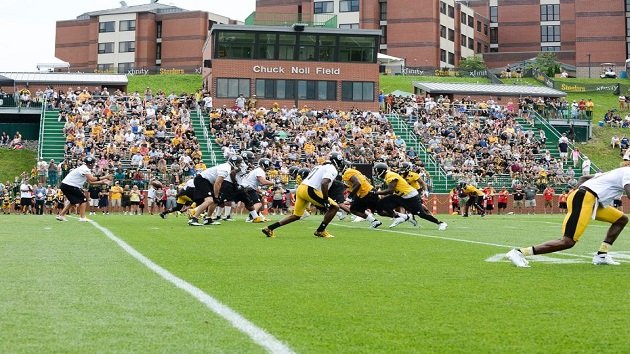
In 2007, the stadium at St. Vincent College in Latrobe, Pennsylvania, where he'd taken the Steelers for preseason training camp, was renamed Chuck Noll Field. In 2011, Chuck Noll Way, a new street on the site of Three Rivers Stadium, was dedicated by the City of Pittsburgh.
Chuck Noll died yesterday, of complications of Alzheimer's disease, including heart trouble. He was 82 years old. He was an NFL legend that touched 4 franchises, winning 8 league titles, and became admired everywhere -- including in the famously feuding, especially in football, cities of Cleveland and Pittsburgh.

It's worth noting that Bill Cowher was from Pittsburgh, but played for the Browns, before becoming the man who succeeded Noll as Steeler head coach in 1992, and leading them to victory in Super Bowl XL in the 2005-06 season, finally getting that "One for the Thumb" they'd been trying for since 1980.

UPDATE: Noll was buried in Christ Our Redeemer Catholic Cemetery in Pittsburgh.

Saturday, January 7, 2012

Do Mediocre Players Make the Best Coaches? NFL Edition

I just got a look at the NFL Playoff game between the Cincinnati Bengals and the Houston Texans. At this writing, it's the 3rd quarter, and the Texans lead, 17-10.

This was the 44th season for the Bengals, and only the 10th time they've made the Playoffs. This was the 10th season for the Texans, and the 1st time they've made it, having also won their first AFC South Division Championship. The last time a Houston team made the NFL Playoffs was the 1993 Houston Oilers, now the Tennessee Titans, 18 seasons ago.

The Bengals are coached by Marvin Lewis, who never played in the NFL. The Texans are coached by Gary Kubiak, best known as John Elway's backup on the Denver Bronco teams that won 3 AFC titles but no Super Bowls.

Like a lot of athletes who were good enough to make it to the major league level of their sport, but not good enough to excel at it, they put their love and knowledge of the game to work in coaching. Kubiak became a respecting quarterbacking coach and offensive coordinator before getting the Texans head job.

Lewis, undrafted out of Idaho State, returned to his alma mater as an assistant coach, and worked his way into the pros, becoming the defensive coordinator that built the Baltimore Ravens defense that led them to the 2000 NFL Championship and Super Bowl XXXV -- holding the Giants to 7 points, and those on a kickoff return, making them the only team with no "offensive points" in a Super Bowl. (Of course, by definition, all points are scored by the offense, even if you pick up a fumble or intercept a pass, at that moment, even if you're a 300-pound defensive end, your side becomes the offense.)

While it's not the lowest point total ever in a Super Bowl -- in SB VI, in 1972, the Dallas Cowboys held the Miami Dolphins to a field goal -- it is the lowest point total in an NFL championship game, under any name, since the Cleveland Browns shut out the Baltimore Colts in 1964.

*

What about the other teams in the NFL Playoffs?

Giants: Tom Coughlin won Super Bowl XLII, and got the Jacksonville Jaguars to the AFC Championship Game in only the franchise's 2nd season. But while he set Syracuse University's pass-reception record on a team that had Larry Csonka and Floyd Little in its backfield, he went undrafted by the NFL. He coached at Syracuse, and made his name as Boston College's quarterbacks coach, turning a 5-foot-9-and-3/4 kid named Doug Flutie into a Heisman Trophy winner. He coached with Philadelphia and Green Bay before joining Bill Parcells' Giant staff, then became BC's head man before coaching the Jags and the Giants.

New England Patriots: Bill Belichick has won 3 Super Bowls -- perhaps by cheating -- but as a player, went right from college to working for a pro coach, Ted Marchibroda of the Baltimore Colts, and began his coaching rise that way, including coaching on Parcells' staff, along with Coughlin and some other names that became head coaches. I don't know what Coughlin learned from watching Belichick, but Belichick's been a head man in 4 Super Bowls, all of them close, and Coughlin's Giants are the only one to beat him.

Pittsburgh Steelers: Mike Tomlin, like Coughlin, set receiving records at his school, William & Mary, but went undrafted. He coached under Tony Dungy and Jon Gruden with the Tampa Bay Buccaneers, and when Bill Cowher left the Steelers they hired Tomlin, who has now led them to 2 AFC titles and a Super Bowl win.

New Orleans Saints: Sean Payton was one of the 1987 strikebreakers, playing 3 games for Chicago's "Spare Bears." Like Fox, he was on Jim Fassel's staff for the 2000 NFC Champion Giants, and led the Saints to their first Super Bowl appearance and win.

Green Bay Packers: Mike McCarthy went to Baker University, an NAIA school in Kansas -- there's the NCAA Football Bowl Subdivision (formerly known as Division I-A), there's the NCAA Football Championship Subdivision (formerly Division I-AA), there's NCAA Division II, there's NCAA Division III... and then there's the NAIA. But McCarthy made his way to the nearby Kansas City Chiefs, where he was on a staff that got them to the 1993-94 AFC Championship Game, the closest the franchise has gotten to the Super Bowl since 1969-70. Maybe some of the Chiefs' veteran quarterback, Joe Montana, rubbed off on him. He became a well-regarded quarterbacks coach and then offensive coordinator before getting the Pack head job, and in the past 2 seasons has led them to a Super Bowl win and a 15-1 season which makes them the favorites to do it again.

Denver Broncos: Jon Fox played at San Diego State, where he was a teammate of Herman "You play to win the game!" Edwards, but went undrafted. Prior to his current job, his jobs including defensive coordinator for the Giants under Jim Fassel and the head job with the Carolina Panthers, whom he led to the 2003 NFC Championship before losing Super Bowl XXXVIII to Belichick's Pats.

Atlanta Falcons: Mike Smith was the defensive MVP at East Tennessee State University, but 1 year in Canada was the limit of his pro playing experience. Like Marvin Lewis, he was on Brian Billick's Ravens staff before being hired in Atlanta. He has taken a franchise that was a horror show after the Michael Vick fiasco and turned it into a very respectable unit again.

San Francisco 49ers: Jim Harbaugh is almost an exception to what I'm suggesting is a rule. The son of Jack Harbaugh, an assistant coach to Bo Schembechler at the University of Michigan, he became Michigan's quarterback, got the Bears into the Playoffs a couple of times, and got the Indianapolis Colts to the 1995 AFC Championship Game. He was a member of the Oakland Raiders staff that won the 2002 AFC Championship, then was named head coach at the University of San Diego and Stanford University before being named Niners head man earlier this year. He seems to have singlehandedly turned Alex Smith from one of the biggest first-pick-in-the-draft busts ever into a Playoff quarterback.

Baltimore Ravens: Jim's older brother John Harbaugh never played in the NFL, having been a defensive back at Miami University of Ohio. The brothers' father, Jack Harbaugh, was an assistant to University of Michigan coach Bo Schembechler, who had played at Miami and recommended John to the school. He spent 10 years on Andy Reid's Philadelphia Eagles staff before getting the Ravens job.

Detroit Lions: Jim Schwartz played at Georgetown University, the Washington, D.C.-based school far better known for its basketball team. He was a Titans assistant under Jeff Fisher and helped them win the 1999 AFC Title and make more Playoff appearances in the 2000s. After the Lions bottomed out with their 2008 0-16 season, he was brought in, and has made them a Playoff team in just 3 years. Considering that this is his first head job, and what he had to work with at the start, this may be the most amazing NFL coaching job in a long time.

*

"Okay, Mike," I can hear you say, "this theory of yours makes sense for the moment. But is it historically true?"

Let's see. First, let's start counting from 1933 onward. Why? Two reasons: First, it was the 1st season in which there was an official NFL Championship Game; second, we're now getting out of the era of player-coaches, men who were playing and coaching at the same time.

1933 Chicago Bears: George Halas. Good player, not a great one. In the Pro Football Hall of Fame as a coach and owner, much more than as a player.

1934 New York Giants: Steve Owen. Good player, not a great one. In the Hall of Fame as a coach, not a player.

1935 Detroit Lions: George "Potsy" Clark. I can't find much information about his playing career, which suggests he was, at best, ordinary.

1936 Green Bay Packers: Earl "Curly" Lambeau. Good player, not a great one. In the Hall of Fame as a coach, not a player.

1937 Washington Redskins: Ray Flaherty. An exceptional player, helping the Giants win the 1927 NFL Championship (in the pre-title game era). His Number 1 is, by some sources, the 1st uniform number to be retired by any team in any sport. In the Hall as a player.

1938 Giants: Owen.

1939 Packers: Lambeau.

1940 Bears: Halas.

1941 Bears: Halas.

1942 Redskins: Flaherty.

1943 Bears: Heartley "Hunk" Anderson, a former Notre Dame star, and Luke Johnsos (not "Johnson") were co-head coaches while Halas was a Navy officer during World War II. Although Anderson was a very good collegiate player, neither had starred in the NFL.

1944 Packers: Lambeau.

1945 Cleveland Rams: Adam Walsh. Not to be confused with the boy of the same name, whose kidnapping and murder inspired his father John Walsh to start the TV show America's Most Wanted, this Adam Walsh was one of the linemen known as the "Seven Mules," blocking for the "Four Horsemen," that helped Notre Dame win the 1924 National Championship. But he never played in the pros -- although by the standards of the time he would have been considered an excellent prospect. Despite winning the title, the Rams did not draw well in Cleveland, and became the only team in North American major league sports history to win a "world championship" and then move for the next season, to Los Angeles.

1946 Bears: Halas.

1947 Chicago Cardinals: Jimmy Conzelman was one of the NFL's 1st stars, and was player-coach of the 1928 NFL Champions, the Providence Steam Roller. (Officially, the name had no S on the end -- why, I don't know. But most people just called them the Steam Rollers, anyway, and some surviving artifacts of the team such as banners and game programs have the S on the end. The franchise went bust in 1933 due to the Depression.) Conzelman is in the Hall of Fame, mainly as a player.

1948 Philadelphia Eagles: Earle "Greasy" Neale was a very good baseball player, the starting right fielder for the 1919 Cincinnati Reds. He played both Major League Baseball and pro football with Jim Thorpe (albeit in the pre-NFL era). As a football player, he wasn't as good as he was at baseball.

1949 Eagles: Neale.

1950 Cleveland Browns: Paul Brown was one of the greatest minds the game of football has ever produced, but he never played in the pros.

1951 Los Angeles Rams: Joe Stydahar played on Halas' 1940 "Monsters of the Midway" and is legitimately in the Hall as a player.

1952 Detroit Lions: Raymond "Buddy" Parker played on the Lions' 1935 title team, but wasn't a great player.

1953 Lions: Parker.

1954 Browns: Brown.

1955 Browns: Brown.

1956 Giants: Jim Lee Howell played 10 years for the Giants and was a member of their 1938 title team, but was not particularly noteworthy as a player. As a head coach, he's remembered less for leading the Giants to this title than for his assistants: Offensive coordinator Vince Lombardi and defensive coordinator Tom Landry.

1957 Lions: George Wilson played for Halas' 1940 Bears, like Stydahar; unlike Stydahar, he was an unremarkable player. But he did lead the Lions to what, for the moment, remains their last title, after Parker quit in a huff in the preceding off-season. Wilson was also the first head coach of the Dolphins. He should not be confused with George "Wildcat" Wilson who in the 1920s starred at the University of Washington and then played under Conzelman on the 1928 Champion Steam Roller. Oddly, I know a pair of brothers named George and Merle Wilson -- but Merle is the Dolphin fan, while that George likes the Redskins.

1958 Baltimore Colts: Wilbur "Weeb" Ewbank is the only man to be head coach of both an NFL Champion and an AFL Champion, the 1968-69 Jets. But he never played pro ball.

1959 Colts: Ewbank.

1960 Philadelphia Eagles: Lawrence "Buck" Shaw was a teammate of Hunk Anderson on Knute Rockne's 1920 Notre Dame team that won the National Championship, but he never played pro ball.

1961 Packers: Vince Lombardi was a member of the "Seven Blocks of Granite" team that made Fordham University a formidable side in the late 1930s, but he never played in the pros.

1962 Packers: Lombardi.

1963 Bears: Halas.

1964 Browns: Blanton Collier is the most recent man to lead a Northern Ohio-based team to a World Championship, but he never played pro ball.

1965 Packers: Lombardi.

1966 Packers: Lombardi.

1967 Packers: Lombardi.

1968 New York Jets: Ewbank.

1969 Kansas City Chiefs: Hank Stram was an exceptional all-around athlete in high school, but World War II interrupted his college days and he went right into coaching in peacetime.

1970 Baltimore Colts: Don McCafferty played only 1 season of pro ball.

1971 Dallas Cowboys: Tom Landry was a very good player, a 2-way star for the University of Texas in the late 1940s, with Bobby Layne of the 1950s Lions as his quarterback. When the NFL went 2-platoon in the early '50s, he was the first player to make his mark as purely a defensive back. He became one of the great defensive minds in the game's history, building the unit that became the 1st one to lead fans to chant "De-FENSE!" as the Giants won the 1956 NFL Championship. He became the Cowboys' first head coach in 1960 and was their only one until 1988. He's in the Hall as a coach, but could have been elected as a player.

1972 Miami Dolphins: Don Shula was a good defensive back for the Colts, but not a great one.

1973 Dolphins: Shula.

1974 Pittsburgh Steelers: Chuck Noll was a very good 2-way lineman for Paul Brown's Cleveland Browns, but not a great one.

1975 Steelers: Noll.

1976 Oakland Raiders: John Madden was drafted by the Philadelphia Eagles in 1959, but wrecked his knee in training camp and never played a pro down. But that worked out wonderfully for him because Eagle quarterback Norm Van Brocklin was studying game film in the locker room and called him over, and taught Madden how to analyze game film. Madden couldn't play on the Eagles' 1960 NFL Champions, but he became an assistant in the AFL with the San Diego Chargers and then the Raiders, and was one of the few coaches in the era before the 16-game schedule to win 100 regular-season games in 10 years.

1977 Cowboys: Landry.

1978 Steelers: Noll.

1979 Steelers: Noll.

1980 Oakland Raiders: Tom Flores was the 1st-ever starting quarterback for the Raiders, but was an ordinary player, unlike later Raider signal-callers Daryle Lamonica, George Blanda, Ken Stabler, Jim Plunkett, Jay Schroeder and Rich Gannon.

1981 San Francisco 49ers: Although Bill Walsh he played football and boxed at San Jose State University, and served as a worthy assistant to Paul Brown with the original Cincinnati Bengals, he never played a down in the pros.

1982 Washington Redskins: Joe Gibbs went right into coaching after graduating from San Diego State, and never played a down in the pros.

1983 Los Angeles Raiders: Flores.

1984 49ers: Walsh.

1985 Chicago Bears: Mike Ditka is in the Hall as a player, and justifiably so, as he was the 1st offensive end to be a modern tight end, and helped Halas win his last title with the 1963 Bears and Landry his 1st with the 1971 Cowboys.

1986 Giants: Bill Parcells was drafted by the Detroit Lions but cut before the season started, and never played in the NFL.

1987 Redskins: Gibbs.

1988 49ers: Walsh.

1989 49ers: George Seifert never played in the pros.

1990 Giants: Parcells.

1991 Redskins: Gibbs.

1992 Cowboys: Jimmy Johnson played for the University of Arkansas' 1964 team that won a split National Championship, but never played in the pros. He made his name coaching at Oklahoma State and the University of Miami (the one in Florida, not the one in Ohio). His college teammate, Jerry Jones, bought the Cowboys, fired Landry, and hired Johnson, enabling him to become the 1st man to be head coach of both a college National Champion and a Super Bowl winner. But Jones drove Johnson nuts (not a long drive), Johnson quit, and Jones hired legendary University of Oklahoma coach Barry Switzer, who preceded them both as an Arkansas player, and then became the 2nd such coach.

1993 Cowboys: Johnson.

1994 49ers: Seifert.

1995 Cowboys: Barry Switzer played at Arkansas, but went right into the U.S. Army and then into coaching after his discharge.

1996 Packers: Mike Holmgren has been called the best high school quarterback the City of San Francisco has ever produced -- hard to imagine, considering how fat he was by the time he became an NFL head coach -- and was a backup on the 1967 University of Southern California team that won a National Championship, thanks to another San Franciscan, O.J. Simpson. Holmgren was drafted by the St. Louis Cardinals, but washed out with both them and the Jets before the season began, and never played in the pros.

1997 Denver Broncos: Mike Shanahan was a quarterback at Eastern Illinois University, but a freak injury in practice ruptured a kidney, nearly killing him and ending his chances at a pro career. He was 2-0 in Super Bowls with the Broncos, the 2nd win coming at the expense of the Atlanta Falcons, coached by Dan Reeves -- who had a good pro career with Landry's Cowboys, first as a running back (SB VI) and then as an assistant coach (SB XII -- same with Ditka), but was 0-3 in Super Bowls as Bronco head man.

1998 Broncos: Shanahan.

1999 St. Louis Rams: Dick Vermeil was a backup quarterback at San Jose State, and never had a chance to play pro ball. But he's been named a Coach of the Year in high school, junior college, Division I-A (leading UCLA to win a Pacific Eight title and a Rose Bowl) and the NFL, getting the Eagles to their first Championship Game appearance in 20 years (losing Super Bowl XV) and getting the Rams to their first World Championship in 49 years (winning Super Bowl XXXIV).

2000 Baltimore Ravens: Brian Billick was drafted by the 49ers but was cut by them and the Cowboys and never played pro ball.

2001 New England Patriots: Belichick, as I said, never played pro ball.

2002 Tampa Bay Buccaneers: Jon Gruden was a backup quarterback at Ohio's University of Dayton and never had much of a chance to play in the NFL.

2003 Patriots: Belichick.

2004 Patriots: Belichick.

2005 Steelers: Bill Cowher ends a 20-year run of Super Bowl-winning coaches who never played so much as a single down in the NFL. A linebacker, he wasn't a great player, but he did help the Browns' "Kardiac Kids" dethrone their arch-rivals, the Steelers, as AFC Central Division Champions in 1980.

2006 Indianapolis Colts: Tony Dungy was a defensive back who didn't play long in the NFL, but did get a ring with the 1978 Steelers. He then became a boy-wonder coach, serving under Noll on the Steelers, Marty Schottenheimer on the Chiefs and Dennis Green on the Minnesota Vikings before getting the Bucs' job. Fired right before they could take the last step, he was quickly hired by the Colts, and led them to their 1st title since moving from Baltimore.

2007 Giants: Coughlin, as I said, never played pro ball.

2008 Steelers: Tomlin, as I said, never played pro ball.

2009 Saints: Payton, as I said, was a strikebreaker, but otherwise never played pro ball.

2010 Packers: McCarthy, as I said, never played pro ball.

2011 To Be Determined.

*

So, counting multiple winners multiple times, counting the 1943 Anderson/Johnsos entry as one player, and counting coaches who didn't play pro ball at all as "mediocre players":

Great players: 7
Good players: 20
Mediocre players: 50

Being charitable, the only "great players" to have become title-winning NFL coaches in the last 60 years are Tom Landry and his former player and assistant Mike Ditka. Being more specific, the only Hall of Fame player to have become a title-winning NFL coach in the last 60 years is Ditka.

Consider some of the Hall of Fame players who have become NFL head coaches from 1951 onward: Sammy Baugh, Tom Fears, Norm Van Brocklin, Otto Graham, Joe Schmidt, Bart Starr, Mike Singletary.

But since Stydahar coached the '51 Rams to the title, the only other HOF players to be head coaches of teams that even got into the NFL Championship Game (1952-65) or the Super Bowl (1966 season through 2010) is Forrest Gregg, who played on Lombardi's 5 Packer titles and Landry's 1st Cowboy title. (So did Herb Adderley, who's never been an NFL head coach. He and Gregg are the only NFL players to have played on 6 title-winning teams.)

I'm not the only person to think about this idea. It's long been suggested that great players, when they become coaches, get frustrated with players under them who aren't as good as they were, and even more so with players who are good but don't put up the kind of effort the coach once did.

I'll look at the other major sports in subsequent entries.

Oh, and it's a final from Reliant Stadium in Houston: Texans 31, Bengals 10. This is the 1st time since December 29, 1991 -- 19 years and 9 days -- since a Houston team has won an NFL Playoff game. That time? At the Astrodome, the Oilers won 17-10 over... the Jets.