For the record, here's the 33 current members of the 3,000 Hit Club, in chronological order of when they reached it:
1. Adrian Constantine Anson, nicknamed "Anse," "Cap" and "Pop," Marshalltown, Iowa, 1852-1922, 1st baseman-manager, Chicago White Stockings (forerunner of the Cubs), off George Blackburn of the Baltimore Orioles (National League version), at West Side Park in Chicago, July 18, 1897.
Blackburn was signed by the Orioles that month, and was released before the month was out, never to appear in the major leagues again. In contrast, Anson played 27 years, and is still generally regarded as the greatest player of the 19th Century, despite his being one of the men responsible for the color barrier that stood from 1887 to 1947. He won National League Pennants with the proto-Cubs in 1876, 1880, 1881, 1882, 1885 and 1886. He was elected to the Baseball Hall of Fame, among the 1st 25 inductees when the building opened in 1939, although he had been dead for 17 years. Had there been an All-Century Team in the 19th Century, he would have been elected to it.
Anson's career hit total, and thus the exact moment of his 3,000th hit, or even whether he got that far, is open to debate, due to changes in rules and record-keeping. The Sporting News, known as "The Bible of Baseball" before it took its focus off baseball and started covering other sports (and also auto racing, which is not a sport), says that Anson had 3,012 hits in his major league career, from 1876 to 1897, and Major League Baseball management accepts that aggressively-researched fact to be true. If this is correct, and if this is whose count you choose to accept, then the information I've cited above on his 3,000th hit is correct.
Some sources credit Anson's service in the 1st professional league, the National Association of 1871 to 1875, as "major league," but most sources don't. If you count his stats in that league, which I usually don't, but would understand if you did, then he actually had 3,418 hits, and his 3,000th came a lot sooner.
For a long time, The Baseball Encyclopedia (published by Macmillan Publishers and thus often called "The Macmillan Encyclopedia" or "Big Mac") cited him as having had 3,055, then took out 60 hits because of the 1887 season, the one season in MLB history in which walks were counted as hits, dropping him to 2,995 hits. The Baseball Hall of Fame, which relies on the Elias Sports Bureau, credits Anson with 3,081 hits.
All other players on this list (until Jeter) played all or most of their careers in the 20th Century, and all other players on this list have had any disputes as to their totals wiped away.
2. John Peter "Honus" Wagner, "the Flying Dutchman," Carnegie, Pennsylvania, 1874-1955, shortstop, Pittsburgh Pirates, off Erskine Mayer of the Philadelphia Phillies, at Baker Bowl in Philadelphia, June 9, 1914.
He finished with 3,415. If Anson's NA totals are not counted, then Wagner broke his record, and it was Wagner's record that Ty Cobb broke. Nearly a century after his last game, he is still widely regarded as the greatest shortstop who ever lived. Led the Pirates to 4 Pennants and the 1909 World Series.
All other players on this list (until Jeter) played all or most of their careers in the 20th Century, and all other players on this list have had any disputes as to their totals wiped away.
2. John Peter "Honus" Wagner, "the Flying Dutchman," Carnegie, Pennsylvania, 1874-1955, shortstop, Pittsburgh Pirates, off Erskine Mayer of the Philadelphia Phillies, at Baker Bowl in Philadelphia, June 9, 1914.
He finished with 3,415. If Anson's NA totals are not counted, then Wagner broke his record, and it was Wagner's record that Ty Cobb broke. Nearly a century after his last game, he is still widely regarded as the greatest shortstop who ever lived. Led the Pirates to 4 Pennants and the 1909 World Series.
He was elected to the Hall of Fame with its 1st class in 1936, and was 1 of the 10 living members who attended the 1st induction ceremony in 1939. He was named to the All-Century Team, 102 years after his last game. The Pirates retired the Number 33 that he wore as a coach, and dedicated a statue to him outside Forbes Field by Pirates, moved by them to Three Rivers Stadium and now to PNC Park.
3. Napoleon "Nap" or "Larry" Lajoie (LAH-zhoh-way, apparently no middle name), Woonsocket, Rhode Island, 1874-1959, 2nd baseman-manager, Cleveland Naps (forerunners of the Indians/Guardians, and, yes, they were named for him at the time), off Marty McHale of the New York Yankees, at the Polo Grounds in New York, September 27, 1914, the same season as Wagner.
He finished with 3,242. He is on the short list for the title of the greatest 2nd baseman of all time. However, he is the only member of the 3,000 Hit Club who never played on a Pennant winner, or even on a postseason team. He was elected to the Hall of Fame in 1938, and was 1 of the 10 living members who attended the 1st induction ceremony in 1939.
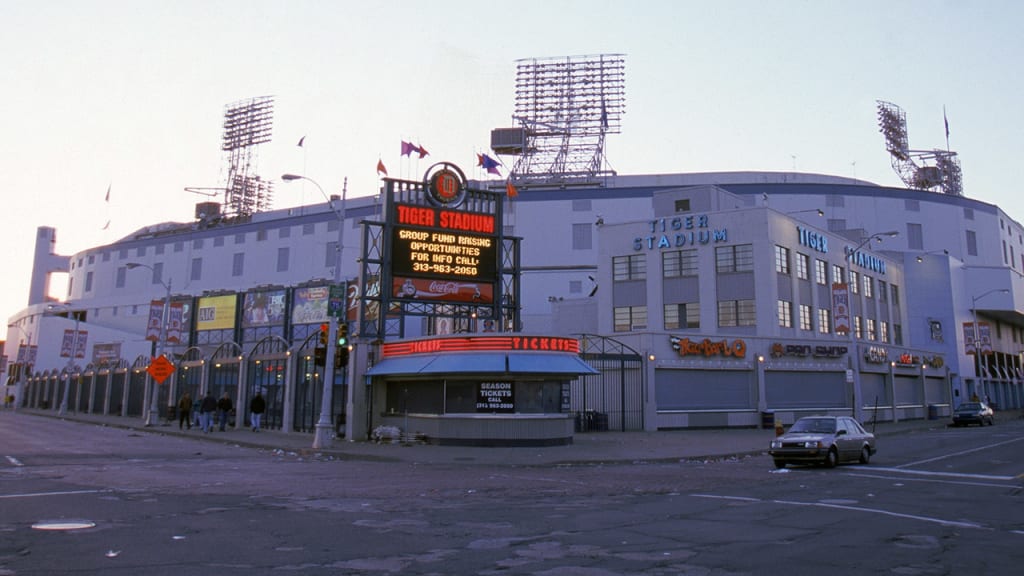
4. Tyrus Raymond "Ty" Cobb, "the Georgia Peach," Royston, Georgia, 1886-1961, center fielder-manager, Detroit Tigers, off Elmer Myers of the St. Louis Browns, at Sportsman's Park in St. Louis, August 15, 1921.
He had been credited with 4,191 hits, an all-time record until 1985, but research done after Pete Rose surpassed that figure shows that Cobb had 4,189. This is also why his lifetime batting average, so long cited as .367, is usually now listed as .366. He also previously held what were believed to be records for stolen bases in a season and in a career, and runs scored in a career. Those records are gone, but his lifetime batting average is still a record. He won 3 straight Pennants with the Tigers, in 1907, '08 and '09, but lost all 3 World Series, and never got into another.
When the 1st vote for the Baseball Hall of Fame was conducted in 1936, 5 men got at least 75 percent of the votes to qualify for election. Cobb got the most, making him, technically, the 1st member of the Hall of Fame. The others were, in order, Babe Ruth, Christy Mathewson (actually tied the Babe in votes), Honus Wagner and Walter Johnson. Cobb was also named to the All-Century Team, 71 years after his last game.
Of the 25 men inducted in that initial ceremony in 1939, 11 were still alive, and 10 attended the ceremony. Cobb got there too late for the famous photo that was taken. It was rumored that he had snubbed the ceremony out of spite toward someone, possibly Commissioner Kenesaw Mountain Landis. But it wasn't true: He lived in California, and, transportation links being what they were at the time, he was simply late.
While he never wore a uniform number, the Tigers honor him with their other retired numbers as if he had worn one. They dedicated a plaque to him outside Tiger Stadium, and a statue of him inside Comerica Park.
There isn't much surviving film of Cobb in his playing days, and even less of Wagner. This clip includes a few seconds of them together, at the 1909 World Series in Pittsburgh. (That's the Carnegie Library in the background. Forbes Field is gone, but the library is still there. The Pirates beat the Tigers in 7 games.) It also shows Cobb at the then-new original Yankee Stadium in the 1920s, before its triple decks were extended around the foul poles. It shows him at the 1st Hall of Fame induction ceremony in 1939, and playing golf with Ruth; although they didn't like each other much while playing, they became friends afterward.
5. Tristram E. "Tris" Speaker (apparently the E was just an initial, not standing for anything), "the Grey Eagle," Hubbard, Texas, 1888-1958, center fielder-manager, Cleveland Indians (previously starred for the Boston Red Sox), off Tom Zachary of the Washington Senators, at League Park in Cleveland, May 17, 1925.
He finished with 3,514, although I've also seen 3,515 cited, so maybe there was a discrepancy as with Cobb. Regardless, he's one of only 5 guys with at least 3,500. He is also the all-time leader in doubles with 792 (earlier sources said 793), and was hailed as the greatest defensive outfielder of his time. He won the World Series with the 1912 and '15 Red Sox, and as player-manager of the 1920 Indians. He was elected to the Hall of Fame in its 2nd class, 1937, and was 1 of the 10 living members who attended the 1st induction ceremony in 1939. He wore Number 43 as an Indians coach in the 1940s, but it has not been retired.
6. Edward Trowbridge "Eddie" Collins, Tarrytown, New York, 1887-1951, 2nd baseman, Chicago White Sox (previously starred for the Philadelphia Athletics), off Harry "Rip" Collins (no relation) of the Detroit Tigers, at Navin Field (Tiger Stadium) in Detroit, June 3, 1925, just 3 weeks after Speaker.
He finished with 3,315. He was also a sensational baserunner and fielder, and is on the short list for the title of greatest 2nd baseman ever. He won the World Series with the 1917 Chicago White Sox. He was also on the White Sox who lost the 1919 World Series, but was not implicated in the scandal. He also won the Series in 1910, '11 and '13 with the A's, and returned to them to win in 1929 and '30.
He was elected to the Hall of Fame in 1939, and was 1 of the 10 living inductees who attended the original induction ceremony. He wore Number 32 as an A's coach in the 1930s, but it has not been retired. There is no known statue of him, but there is a plaque in his memory on the outside wall of Fenway Park in Boston, because he was the team's general manager at the time of his death.
7. Paul Glee "Big Poison" Waner, Harrah, Oklahoma, 1903-1965, right fielder, Boston Braves (played most of his career with the Pittsburgh Pirates), off former teammate Truett "Rip" Sewell of the Pirates, at Braves Field in Boston, June 19, 1942.
He finished with 3,152. Yes, his middle name really was "Glee." And he and his brother-teammate Lloyd were referred to by a Brooklyn sportswriter as "A big person and a little person," hence Big Poison and Little Poison -- except Lloyd was actually taller. He won the 1927 National League Pennant with the Pirates. Paul's Number 11 is retired by the Pirates, although Lloyd's Number 10 is not.
He finished with 3,152. Yes, his middle name really was "Glee." And he and his brother-teammate Lloyd were referred to by a Brooklyn sportswriter as "A big person and a little person," hence Big Poison and Little Poison -- except Lloyd was actually taller. He won the 1927 National League Pennant with the Pirates. Paul's Number 11 is retired by the Pirates, although Lloyd's Number 10 is not.
The Waners, and 1869 Cincinnati Red Stockings Harry and George Wright, are the only pairs of brothers in the Hall of Fame. Negro League legends Andrew "Rube" Foster and Bill Foster are both in the Hall, but were stepbrothers.
8. Stanley Frank "Stan the Man" Musial, Donora, Pennsylvania, 1920-2013, 1st baseman (also played a lot of left field), St. Louis Cardinals, off Moe Drabowsky of the Chicago Cubs, at Wrigley Field in Chicago, May 13, 1958.
Stan was the 1st player to do it on television. He finished with 3,630 -- 1,815 in home games, 1,815 in away games, a stunning balance. He helped the Cardinals win the 1942, '44 and '46 World Series. He was elected to the Hall of Fame and the All-Century Team. The Cardinals retired his Number 6, and dedicated a statue of him outside Busch Stadium II, moving it to Busch Stadium III. The bridge where Interstate 70 crosses the Mississippi River into St. Louis, Missouri from East St. Louis, Illinois is the Stan Musial Veterans Memorial Bridge, a.k.a. The Stan Span.
Stan was the 1st player to do it on television. He finished with 3,630 -- 1,815 in home games, 1,815 in away games, a stunning balance. He helped the Cardinals win the 1942, '44 and '46 World Series. He was elected to the Hall of Fame and the All-Century Team. The Cardinals retired his Number 6, and dedicated a statue of him outside Busch Stadium II, moving it to Busch Stadium III. The bridge where Interstate 70 crosses the Mississippi River into St. Louis, Missouri from East St. Louis, Illinois is the Stan Musial Veterans Memorial Bridge, a.k.a. The Stan Span.
9. Henry Louis Aaron, "Hammerin' Hank" or "Bad Henry," Mobile, Alabama, 1934-2020, right fielder, Atlanta Braves, off Wayne Simpson of the Cincinnati Reds, at Crosley Field in Cincinnati, May 15, 1970.
Hank just edged Willie Mays by a few weeks to become the 1st player to have both 500 home runs and 3,000 hits. He also edges Mays by a few weeks to become the 1st black player to reach 3,000 hits. He finished with 3,771. This means that even if you took away all 755 of Hank's home runs, he still had over 3,000 hits (3,016). The last time I did this list, I didn't have footage of his 3,000th hit. Now, I do. He won the 1957 World Series with the Milwaukee Braves, winning the Pennant-clinching game (not the season finale) with an 11th-inning home run.
He was elected to the Hall of Fame and the All-Century Team. His Number 44 was retired by both the Braves and their successors in Milwaukee, the Brewers. A statue of him was dedicated outside Fulton County Stadium, and was moved to Turner Field, whose mailing address is 755 Hank Aaron Drive. The Braves' newest stadium, Truist Park, has a new statue of Aaron. Its address is 755 Battery Avenue Southeast, also a tribute to Aaron.
Scroll ahead to 2:35 on this clip for his 3,000th. And here's his 4,192nd -- now known not to be the record-breaker, but just try finding a clip of his 4,190th.
He has never been elected to the Hall of Fame. Rose was, however, elected to the All-Century Team. It's important to note that, even if Rose were reinstated from Major League Baseball's "permanently ineligible" list, it wouldn't guarantee his election to the Hall. The recent revelation about a teenage girlfriend in the 1970s doesn't help.
The Reds renamed Riverside Drive outside Riverfront Stadium, and now Great American Ballpark, Pete Rose Way. They retired his Number 14. Previously, they'd given it to only 1 player: Pete Rose Jr., a September callup with the Reds in 1997. Career major league hits: 2.
14. Louis Clark Brock, Collinston, Louisiana, 1939-2020, left fielder, St. Louis Cardinals, off Dennis Lamp (literally, a line shot off his hand) of the Chicago Cubs, at Busch Memorial Stadium in St. Louis, August 13, 1979.
He finished with 3,023. He once held the major league records, and still holds the NL records, for stolen bases in a season and in a career. He won the 1964 and '67 World Series, and the '68 NL Pennant, with the Cardinals. He was elected to the Hall of Fame. The Cardinals retired his Number 20, and dedicated a statue of him outside Busch Stadium.
Hank just edged Willie Mays by a few weeks to become the 1st player to have both 500 home runs and 3,000 hits. He also edges Mays by a few weeks to become the 1st black player to reach 3,000 hits. He finished with 3,771. This means that even if you took away all 755 of Hank's home runs, he still had over 3,000 hits (3,016). The last time I did this list, I didn't have footage of his 3,000th hit. Now, I do. He won the 1957 World Series with the Milwaukee Braves, winning the Pennant-clinching game (not the season finale) with an 11th-inning home run.
He was elected to the Hall of Fame and the All-Century Team. His Number 44 was retired by both the Braves and their successors in Milwaukee, the Brewers. A statue of him was dedicated outside Fulton County Stadium, and was moved to Turner Field, whose mailing address is 755 Hank Aaron Drive. The Braves' newest stadium, Truist Park, has a new statue of Aaron. Its address is 755 Battery Avenue Southeast, also a tribute to Aaron.
10. Willie Howard Mays Jr. (not "William"), "the Say Hey Kid," Fairfield, Alabama, born 1931, center fielder, San Francisco Giants, off Mike Wegener of the Montreal Expos, at Candlestick Park in San Francisco, July 18, 1970.
He finished with 3,283, and became the 2nd player, after Aaron, to have 500 homers and 3,000 hits. He won the 1954 World Series with the New York edition of the Giants, including his legendary catch that saved Game 1. He was elected to the Hall of Fame and the All-Century Team. His Number 24 is retired officially by the Giants, and unofficially (with a few brief exceptions) by the Mets. A statue of him was dedicated by the Giants outside Oracle Park, whose mailing address is 24 Willie Mays Plaza.
In case you're wondering about the other 2 great New York center fielders of the 1950s, Mickey Mantle had 2,415, and Duke Snider had 2,116. Joe DiMaggio, having missed 3 seasons due to World War II and retiring due to a heel injury at just 37 years old, finished with 2,214.
11. Roberto Clemente Walker (Hispanics put the mother's family name after the father's), "the Great One," Carolina, Puerto Rico, 1934-1972, right fielder, Pittsburgh Pirates, off Jon Matlack of the New York Mets, at Three Rivers Stadium in Pittsburgh, September 30, 1972. He was the 1st to do it on artificial turf.
Supposedly (I cannot confirm this), he was told, as the 1972 season wound down, that it was no big deal if he didn't get Number 3,000 until the next season, and he said, "I have to get that hit this year. I might die." As it turned out, he was killed in a plane crash in the off-season, and finished his career with exactly 3,000 hits. The announcer was Bob Prince, the legendary voice of the Pirates, pretty much the only player Roberto let call him "Bobby" instead of his proper given name.
He was elected to the Hall of Fame in a special election shortly after his death, rather than going through the usual 5-year waiting period. The only other player for whom this has ever been done was Lou Gehrig. His Number 21 was retired by the Pirates. They dedicated a statue of him outside Three Rivers Stadium, and moved it to PNC Park. The 6th Street Bridge, near the park, has been renamed the Roberto Clemente Bridge. He got hits in all 14 World Series games in which he played, winning in 1960 and 1971.
12. Albert William Kaline, Baltimore, Maryland, 1934-2020, right fielder, Detroit Tigers, off Dave McNally of the Baltimore Orioles, at Memorial Stadium in Baltimore, September 24, 1974.
He finished with 3,007. He won the 1968 World Series with the Tigers. He is the most popular athlete in Detroit history, ahead of Gordie Howe, Steve Yzerman, Doak Walker, Barry Sanders, Isiah Thomas, and way ahead of Cobb. He was elected to the Hall of Fame. The Tigers retired his Number 6, and dedicated a statue of him inside Comerica Park. Cherry Street outside Tiger Stadium was renamed Kaline Drive.
13. Peter Edward Rose, "Charlie Hustle," Cincinnati, Ohio, born 1941, 3rd baseman (also played left field, right field, 2nd base and 1st base at various times in his career), Cincinnati Reds, off Steve Rogers of the Montreal Expos, at Riverfront Stadium in Cincinnati, May 5, 1978.
He finished with 4,256. He and Cobb are the only ones with at least 4,000 hits. He still holds the major league career records for games played (3,562), plate appearances (15,890), at-bats (14,053), and hits... and also outs (9,797). He won the 1975 and '76 World Series with the Reds, and the 1980 World Series with the Philadelphia Phillies, also winning Pennants with the Reds in 1970 and 1972, and with the Phillies in 1983.
He finished with 3,283, and became the 2nd player, after Aaron, to have 500 homers and 3,000 hits. He won the 1954 World Series with the New York edition of the Giants, including his legendary catch that saved Game 1. He was elected to the Hall of Fame and the All-Century Team. His Number 24 is retired officially by the Giants, and unofficially (with a few brief exceptions) by the Mets. A statue of him was dedicated by the Giants outside Oracle Park, whose mailing address is 24 Willie Mays Plaza.
In case you're wondering about the other 2 great New York center fielders of the 1950s, Mickey Mantle had 2,415, and Duke Snider had 2,116. Joe DiMaggio, having missed 3 seasons due to World War II and retiring due to a heel injury at just 37 years old, finished with 2,214.
11. Roberto Clemente Walker (Hispanics put the mother's family name after the father's), "the Great One," Carolina, Puerto Rico, 1934-1972, right fielder, Pittsburgh Pirates, off Jon Matlack of the New York Mets, at Three Rivers Stadium in Pittsburgh, September 30, 1972. He was the 1st to do it on artificial turf.
Supposedly (I cannot confirm this), he was told, as the 1972 season wound down, that it was no big deal if he didn't get Number 3,000 until the next season, and he said, "I have to get that hit this year. I might die." As it turned out, he was killed in a plane crash in the off-season, and finished his career with exactly 3,000 hits. The announcer was Bob Prince, the legendary voice of the Pirates, pretty much the only player Roberto let call him "Bobby" instead of his proper given name.
He was elected to the Hall of Fame in a special election shortly after his death, rather than going through the usual 5-year waiting period. The only other player for whom this has ever been done was Lou Gehrig. His Number 21 was retired by the Pirates. They dedicated a statue of him outside Three Rivers Stadium, and moved it to PNC Park. The 6th Street Bridge, near the park, has been renamed the Roberto Clemente Bridge. He got hits in all 14 World Series games in which he played, winning in 1960 and 1971.
12. Albert William Kaline, Baltimore, Maryland, 1934-2020, right fielder, Detroit Tigers, off Dave McNally of the Baltimore Orioles, at Memorial Stadium in Baltimore, September 24, 1974.
He finished with 3,007. He won the 1968 World Series with the Tigers. He is the most popular athlete in Detroit history, ahead of Gordie Howe, Steve Yzerman, Doak Walker, Barry Sanders, Isiah Thomas, and way ahead of Cobb. He was elected to the Hall of Fame. The Tigers retired his Number 6, and dedicated a statue of him inside Comerica Park. Cherry Street outside Tiger Stadium was renamed Kaline Drive.
13. Peter Edward Rose, "Charlie Hustle," Cincinnati, Ohio, born 1941, 3rd baseman (also played left field, right field, 2nd base and 1st base at various times in his career), Cincinnati Reds, off Steve Rogers of the Montreal Expos, at Riverfront Stadium in Cincinnati, May 5, 1978.
He finished with 4,256. He and Cobb are the only ones with at least 4,000 hits. He still holds the major league career records for games played (3,562), plate appearances (15,890), at-bats (14,053), and hits... and also outs (9,797). He won the 1975 and '76 World Series with the Reds, and the 1980 World Series with the Philadelphia Phillies, also winning Pennants with the Reds in 1970 and 1972, and with the Phillies in 1983.
Scroll ahead to 2:35 on this clip for his 3,000th. And here's his 4,192nd -- now known not to be the record-breaker, but just try finding a clip of his 4,190th.
He has never been elected to the Hall of Fame. Rose was, however, elected to the All-Century Team. It's important to note that, even if Rose were reinstated from Major League Baseball's "permanently ineligible" list, it wouldn't guarantee his election to the Hall. The recent revelation about a teenage girlfriend in the 1970s doesn't help.
The Reds renamed Riverside Drive outside Riverfront Stadium, and now Great American Ballpark, Pete Rose Way. They retired his Number 14. Previously, they'd given it to only 1 player: Pete Rose Jr., a September callup with the Reds in 1997. Career major league hits: 2.
14. Louis Clark Brock, Collinston, Louisiana, 1939-2020, left fielder, St. Louis Cardinals, off Dennis Lamp (literally, a line shot off his hand) of the Chicago Cubs, at Busch Memorial Stadium in St. Louis, August 13, 1979.
He finished with 3,023. He once held the major league records, and still holds the NL records, for stolen bases in a season and in a career. He won the 1964 and '67 World Series, and the '68 NL Pennant, with the Cardinals. He was elected to the Hall of Fame. The Cardinals retired his Number 20, and dedicated a statue of him outside Busch Stadium.
15. Carl Michael Yastrzemski Jr., "Yaz," Southampton (Long Island), New York, born 1939, left fielder (also played a bit of 1st base), Boston Red Sox, off Jim Beattie of the New York Yankees, at Fenway Park in Boston, September 12, 1979, a month after Brock did it.
Note that, due to missing 5 years in military service, Yaz's predecessor as Red Sox left fielder, Ted Williams, did not reach 3,000 hits, finishing with 2,654. Yaz finished with 3,419. He won the 1967 and '75 AL Pennants with the Red Sox, but his 3,308 regular-season games are not only the most any major league athlete has played with a single team, but the most that any major league athlete has played without winning a World Championship. He was elected to the Hall of Fame, and his Number 8 was retired and a statue of him dedicated outside Fenway Park by the Red Sox.
16. Rodney Cline Carew, New York City (though born in Panama), born 1945, 1st baseman, California Angels (2nd baseman for the Minnesota Twins for the first part of his career), off Frank Viola of the Minnesota Twins, at Anaheim Stadium, August 4, 1985.
He reached the milestone on the same day that Tom Seaver won his 300th game. A year earlier, Anaheim Stadium (now named Angel Stadium of Anaheim) hosted Reggie Jackson's 500th home run. He finished with 3,053. He reached the Playoffs with the Twins in 1969 and '70, and with the Angels in 1979 and '82, but never won a Pennant. He was elected to the Hall of Fame. His Number 29 was retired by both the Twins and the Angels.
17. Robin R. Yount (I can find no record of what the initial stands for), Woodland Hills, California, born 1955, shortstop (also played some center field), Milwaukee Brewers, off José Mesa of the Cleveland Indians, at Milwaukee County Stadium, September 9, 1992. Mesa thus became the 1st Hispanic pitcher to give up a 3,000th hit.
He finished with 3,142. He led the Brewers to their only Pennant, in 1982. He was elected to the Hall of Fame, and his Number 19 was retired and a statue of him dedicated outside American Family Field by the Brewers.
18. George Howard Brett, El Segundo, California, born 1953, 3rd baseman, Kansas City Royals, off Tim Fortugna of the California Angels, at Anaheim Stadium, September 30, 1992, 3 weeks after Yount did it.
He finished with 3,154. He won 1985 World Series. In fact, the Royals never even reached the Playoffs without him on the roster until 2014. He was elected to the Hall of Fame. His Number 5 was retired and a statue of him was dedicated inside Kauffman Stadium by the Royals. In Kansas City, Interstate 70 is named the George Brett Super Highway.
25. Rickey Henley Henderson, born Rickey Nelson Henley (not "Richard," but he was named after the singer whose real name was Eric Hilliard Nelson), Oakland, California, born 1958, left fielder, San Diego Padres (had his best years with the Oakland Athletics), of John Thomson of the Colorado Rockies, at Jack Murphy Stadium in San Diego, October 7, 2001.
He finished with 3,055. He holds the records for stolen bases in a season and in a career, and for runs scored in a career. He won the World Series in 1989 with the A's and in 1993 with the Blue Jays. He was elected to the Hall of Fame. His Number 24 has been retired by the A's. He is the only MLB player to have a team's playing surface named for him: The field at the Oakland Coliseum is named Rickey Henderson Field.
26. Rafael Palmeiro Corrales, "Raffy," Miami Florida, born 1964 (in Havana, Cuba), 1st baseman, Baltimore Orioles, off Joel Piniero of the Seattle Mariners, at Safeco Field in Seattle, July 15, 2005.
He was the 4th man to have both 500 home runs and 3,000 hits, and the least legitimate. He was also the 1st Hispanic player to reach 3,000 hits. He had 3,020 hits when he was released by the Orioles following the public release of the fact that he had failed a steroid test -- thus proving that he had lied to Congress when he said he never used them -- and while he hasn't gone to jail for perjury, neither has he ever been employed in professional baseball again.
He reached the postseason with the Orioles in 1996 and '97, and the Texas Rangers in 1999 before returning to the O's. He is not in the Hall of Fame, nor has his Number 25 been retired by any team for which he played.
27. Craig Alan Biggio, Kings Park (Long Island), New York, born 1965, 2nd baseman, Houston Astros, off Dan Cook of the Colorado Rockies, at Minute Maid Park in Houston, June 28, 2007.
Oddly, when he got Number 3,000, he was thrown out trying to stretch a single into a double. Everyone gathered around 2nd base anyway. He finished with 3,060, and, until surpassed by Jeter, had the most hits of anyone born after 1960. Won 2005 NL Pennant with the Astros, reaching the Playoffs 6 times, but never won a World Series. He was elected to the Hall of Fame, and his Number 7 was retired by the Astros.
28. Derek Sanderson Jeter, "D.J." or "Captain Clutch," lived in North Arlington, New Jersey until he was 4, and then grew up in Kalamazoo, Michigan, born 1974, shortstop, New York Yankees, off David Price of the Tampa Bay Rays, at the new Yankee Stadium in New York, July 9, 2011.
He is the only man to do it in a game where he got 5 hits, and only the 2nd to do it with a home run -- and, since he wasn't really remembered as a power hitter, was at least as unlikely to do it as Boggs was.
He finished with 3,465, meaning he has the most hits of anyone born after 1941. He was the 5th player to do it for what could be called his hometown team. Amazingly, he was the 1st player to do it in a Yankee uniform, and he got all of those hits in a Yankee uniform. Babe Ruth got 2,873, while Lou Gehrig got 2,721, which was a record in a Yankee uniform until Jeter surpassed it in 2009. Only Musial has more hits with only 1 team, and only Musial, Cobb and Aaron have more hits with any single team. Aaron is the only righthanded hitter with more hits. (Rose was a switch-hitter.)
He won World Series in 1996, 1998, 1999, 2000 and 2009, also winning Pennants in 2001 and 2003. His Number 2 was retired and Monument Park Plaque dedicated by the Yankees. He was elected to the Hall of Fame.
29. Alexander Emmanuel Rodriguez, "A-Rod," born 1975 in New York City, but grew up in Miami, Florida, 3rd baseman, New York Yankees (formerly shortstop with the Seattle Mariners and Texas Rangers), off Justin Verlander of the Detroit Tigers, at the new Yankee Stadium in New York, June 19, 2015.
Despite being born in Manhattan, has never really claimed New York as his hometown, preferring Miami. He was the 3rd player to do it with a home run, and all are players with ties to the Yankees. He even did it in Jeter's style, going to the opposite field (although Jeter, ironically, didn't do it that way).
He was the 5th player to have 500 homers and 3,000 hits, and the 3rd, after Aaron and Mays, to have 600 homers and 3,000 hits -- the milestone hit was his 667th home run. How many he'd have if he hadn't used performance-enhancing drugs -- or hadn't been caught, or if MLB had decided it wasn't worth pursuing -- is open to speculation. Love him or hate him, he'd got the home run and hit milestones. He finished his career with 3,115 hits and 696 home runs.
He won the World Series with Yankees in 2009, 1 of 12 postseason berths in his career. It seems unlikely he'll ever get into the Hall of Fame, for which he will be
30. Ichiro Suzuki, Aichi, Japan, born 1973, center fielder, Miami Marlins (but had his best years as a right fielder with the Seattle Mariners), off Chris Rusin of the Colorado Rockies, at Coors Field in Denver, August 7, 2016.
Ichiro was the 1st non-North American to do it, remains the only Asian to do it, and was the 1st to do it with his first name on the back of his uniform. He reached the postseason with the 2001 Mariners and the 2012 Yankees, but has never won a Pennant.
After the still-active Pujols and Cabrera, the active player with the most hits is Robinson Cano with 2,631. He's 39, so he can forget it; and has been exposed, in his post-Yankee years, as a cheater, so it wouldn't mean as much if he made it, anyway.
Kaline, Winfield, Molitor and Boggs all got their 3,000th hits in their hometowns, or at least their home metropolitan areas, and you could count Jeter; while Wagner, Winfield, Molitor, Boggs, Ripken and maybe Jeter did it while playing for their hometown teams.
Winfield, Boggs, Henderson, Ichiro, and, briefly, Waner all played for the Yankees, but none of those got his 3,000th hit as a Yankee; and all (with the possible exception of Winfield) are better known for playing on other teams. Jeter was the 1st to do it, and the 1st to do it all, as a Yankee. A-Rod is the 2nd to get it in Pinstripes, although not all of them as a Yankee.
No player got 3,000 hits for the New York Giants, although Willie Mays got 3,187 of his 3,283 as a Giant, in New York and San Francisco combined. He got his last 178 hits as a Met, making him the all-time leader among players who played for the Mets. Mel Ott is the leader among New York-only Giants, with 2,876.
Zack Wheat, who played for the Dodgers only in Brooklyn, is the NY-to-LA franchise's all-time leader with 2,804. And the all-time Met leader is David Wright, who finished with 1,777. In other words, he could have twice as many as he has, 3,554, and he'd still only have 89 more than Jeter. (Sounds pathetic, doesn't it? But then, that's the Mets.)
Anson, Wagner, Cobb, Musial, Aaron, Mays, Clemente, Kaline, Rose, Yastrzemski, Yount, Brett, Gwynn, Ripken, Biggio and Jeter are the only players with 3,000 hits for one team. And only Musial, Clemente, Kaline, Yastrzemski, Yount, Brett, Gwynn, Ripken, Biggio and Jeter got all their hits for just one team.
Of the 33, 8 grew up (or "were trained as players," if you prefer, a better gauge of "where they were from" than "were born") in the Middle Atlantic States: Wagner and Musial in Pennsylvania; Collins, Yastrzemski, Carew and Biggio in New York; and Kaline and Ripken in Maryland.
Seven were from the Southeast: Cobb from Georgia; Aaron and Mays from Alabama; Brock from Louisiana; and Boggs, Palmeiro and A-Rod from Florida.
Five were from the Pacific Coast, all from California: Yount, Brett, Murray, Gwynn and Henderson. Five were from the Midwest: Anson from Iowa, Rose from Ohio, Winfield and Molitor from Minnesota, and Jeter from Michigan. Two were from the Southwest, counting both Speaker's Texas and Waner's Oklahoma in this region, rather than in the Southeast. Lajoie was the only one from New England.
From outside the continental U.S., there is the Puerto Rico born-and-raised Clemente, the Dominican born-and-raised Beltré and Pujols, the Japanese Ichiro, and the Venezuelan Cabrera. This doesn't count Carew, Panama-born but New York-raised, or the Cuba-born but Miami-raised Palmeiro.
Eleven of them were black: Aaron, Mays, Clemente, Brock, Carew, Winfield, Murray, Gwynn, Henderson, Jeter (mixed), Beltré and Pujols. Seven were Hispanic: Clemente, Carew, Palmeiro, A-Rod, Beltré, Pujols and Cabrera. Ichiro remains the only 1st Asian to achieve the feat.
Of the non-Hispanic white players, six were descended from England (Anson, Cobb, Speaker, Rose, Brett and Boggs), three were French (Lajoie, Yount and Molitor), three were German (Wagner, Waner and Ripken), two were Polish (Musial and Yastrzemski), two were Irish (Collins and Kaline), and one was Italian (Biggio).
In spite of being lefthanded giving a hitter an advantage, being a step closer to 1st base, 13 of the members of the 3,000 Hit Club were lefthanded, 18 were righthanded, and 2 were switch-hitters (Rose and Murray).
But 3,000 hits is still 3,000 hits -- as long as you didn't cheat to get it. Palmeiro and A-Rod are the only ones whose bona fides on the issue are at question, unless you don't count Anson's National Association hits as "major league."
Eight players got to 2,900 hits, but not to 3,000: Sam Rice (2,987), Sam Crawford (2,961), Frank Robinson (2,943), Barry Bonds (2,935), Jake Beckley (2,934), Willie Keeler (2,932), Rogers Hornsby (2,930) and Al Simmons (2,927).
The player with the most career hits who's eligible for the Baseball Hall of Fame, but not yet in -- and not tainted by steroids, as far as we know -- is Johnny Damon, with 2,769. Baseball-Reference.com has him, on their Hall of Fame Monitor, where 100 is a "Likely HOFer," at 90, a bit short; on their Hall of Fame Standards, where 50 is the "Average HOFer," he's at 45, about as far off.
The Waners have the most career hits by 2 brothers: 5,611. Paul (a.k.a. Big Poison) had 3,152, and Lloyd (a.k.a. Little Poison, even though he was actually an inch taller at 5-foot-11) had 2,459. Even with 3, the DiMaggio brothers couldn't match that, as they had 4,853: Joe, 2,214; Dom, 1,680; Vince, 959. The most hits by a father/son combination is 4,821, by the Bondses: Bobby had 1,886, Barry 2,935. (Pete Rose had 4,256, Pete Rose Jr. 2.)
Here's the career home run totals of the club's members: Aaron 755, A-Rod 696, Pujols 681 and counting, Mays 660, Palmeiro 569, Murray 504, Cabrera 502 and counting, Beltré 477, Musial 475, Winfield 465, Yastrzemski 452, Ripken 431, Kaline 399, Brett 317, Henderson 297, Biggio 291, Jeter 260, Yount 251, Clemente 240, Molitor 234, Rose 160, Brock 149, Gwynn 135, Boggs 118, Cobb 117, Speaker 117, Ichiro 117, Waner 113, Wagner 101, Anson 97, Carew 92, Lajoie 82 and Collins 47.
It should be noted that Cobb, Speaker, Wagner, Anson, Lajoie and Collins played all or most of their careers in the pre-1920 Dead Ball Era. Of the others, Henderson, Biggio, Clemente, Rose, Brock, Gwynn, Ichiro and Waner played most of their home games in pitcher-friendly ballparks.
Between them, these men won 36 World Series: Collins 6 (1910, '11, '13, '17, '29 and '30), Jeter 5 (1996, '98, '99, 2000 and '09), Rose 3 (1975, '76 and '80), Musial 3 (1942, '44 and '46), Speaker 3 (1912, '15 and '20), Henderson 2 (1989 and '93), Brock 2 (1964 and '67), Clemente 2 (1960 and '71), Pujols 2 (2006 and '11), and 1 each for Wagner (1909), Waner (1925), Mays (1954), Aaron (1957), Kaline (1968), Murray and Ripken (both 1983), Brett (1985), Winfield (1992), Molitor (1993), Boggs (1996), Cabrera (2003) and A-Rod (2009).
There are 20 members still alive: Mays, Rose, Yastrzemski, Carew, Yount, Brett, Winfield, Murray, Molitor, Boggs, Ripken, Henderson, Palmeiro, Biggio, Jeter, A-Rod, Ichiro, Beltré, Pujols and Cabrera. (UPDATE: Mays, Rose and Henderson died in 2024, lowering the number to 17.)
Note that, due to missing 5 years in military service, Yaz's predecessor as Red Sox left fielder, Ted Williams, did not reach 3,000 hits, finishing with 2,654. Yaz finished with 3,419. He won the 1967 and '75 AL Pennants with the Red Sox, but his 3,308 regular-season games are not only the most any major league athlete has played with a single team, but the most that any major league athlete has played without winning a World Championship. He was elected to the Hall of Fame, and his Number 8 was retired and a statue of him dedicated outside Fenway Park by the Red Sox.
16. Rodney Cline Carew, New York City (though born in Panama), born 1945, 1st baseman, California Angels (2nd baseman for the Minnesota Twins for the first part of his career), off Frank Viola of the Minnesota Twins, at Anaheim Stadium, August 4, 1985.
He reached the milestone on the same day that Tom Seaver won his 300th game. A year earlier, Anaheim Stadium (now named Angel Stadium of Anaheim) hosted Reggie Jackson's 500th home run. He finished with 3,053. He reached the Playoffs with the Twins in 1969 and '70, and with the Angels in 1979 and '82, but never won a Pennant. He was elected to the Hall of Fame. His Number 29 was retired by both the Twins and the Angels.
17. Robin R. Yount (I can find no record of what the initial stands for), Woodland Hills, California, born 1955, shortstop (also played some center field), Milwaukee Brewers, off José Mesa of the Cleveland Indians, at Milwaukee County Stadium, September 9, 1992. Mesa thus became the 1st Hispanic pitcher to give up a 3,000th hit.
He finished with 3,142. He led the Brewers to their only Pennant, in 1982. He was elected to the Hall of Fame, and his Number 19 was retired and a statue of him dedicated outside American Family Field by the Brewers.
18. George Howard Brett, El Segundo, California, born 1953, 3rd baseman, Kansas City Royals, off Tim Fortugna of the California Angels, at Anaheim Stadium, September 30, 1992, 3 weeks after Yount did it.
He finished with 3,154. He won 1985 World Series. In fact, the Royals never even reached the Playoffs without him on the roster until 2014. He was elected to the Hall of Fame. His Number 5 was retired and a statue of him was dedicated inside Kauffman Stadium by the Royals. In Kansas City, Interstate 70 is named the George Brett Super Highway.
19. David Mark "Big Dave" Winfield, St. Paul, Minnesota, born 1951, left fielder (also played the other outfield positions), Minnesota Twins (spent his best years with the San Diego Padres and the New York Yankees), off Dennis Eckersley of the Oakland Athletics, at the Metrodome in Minneapolis, September 16, 1993.
The Eck is the only Hall of Fame pitcher to give up a 3,000th hit, and will remain so for the foreseeable future. Winfield, the 1st player to do it with a team that could be called his hometown team, finished with 3,110. He won the 1981 AL Pennant with the Yankees, and finally won a World Series in 1992 with the Toronto Blue Jays. He was elected to the Hall of Fame. His Number 31 has been retired by the Padres, but not the Yankees.
20. Eddie Clarence Murray (not "Edward"), Los Angeles, California, born 1956, 1st baseman, Cleveland Indians (had his best years with the Baltimore Orioles), off Mike Trombley of the Minnesota Twins, at the Metrodome in Minneapolis, June 30, 1995.
He finished with 3,255. The 3rd man, after Aaron and Mays, to hit 500 home runs and collect 3,000 hits. He won the 1983 World Series with the Orioles, and also won AL Pennants with the Orioles in 1979 and the Indians in 1995. He was elected to the Hall of Fame. The Orioles retired his Number 33, and dedicated a statue of him outside Oriole Park at Camden Yards.
The Eck is the only Hall of Fame pitcher to give up a 3,000th hit, and will remain so for the foreseeable future. Winfield, the 1st player to do it with a team that could be called his hometown team, finished with 3,110. He won the 1981 AL Pennant with the Yankees, and finally won a World Series in 1992 with the Toronto Blue Jays. He was elected to the Hall of Fame. His Number 31 has been retired by the Padres, but not the Yankees.
20. Eddie Clarence Murray (not "Edward"), Los Angeles, California, born 1956, 1st baseman, Cleveland Indians (had his best years with the Baltimore Orioles), off Mike Trombley of the Minnesota Twins, at the Metrodome in Minneapolis, June 30, 1995.
He finished with 3,255. The 3rd man, after Aaron and Mays, to hit 500 home runs and collect 3,000 hits. He won the 1983 World Series with the Orioles, and also won AL Pennants with the Orioles in 1979 and the Indians in 1995. He was elected to the Hall of Fame. The Orioles retired his Number 33, and dedicated a statue of him outside Oriole Park at Camden Yards.
21. Paul Leo Molitor, "the Ignitor," St. Paul, Minnesota, born 1956, 3rd baseman, Minnesota Twins (had his best years with the Milwaukee Brewers), off Jose Rosado of the Kansas City Royals, at Kauffman Stadium in Kansas City, September 16, 1996.
He finished with 3,319: Not only are he and Yount the all-time leaders in hits by teammates (they got 4,736 while they were together on the Brewers from 1978 to 1992), but until surpassed by Jeter, Molitor had more career hits than any person born after 1941.
He was elected to the Hall of Fame. His Number 4 was retired by the Brewers. When he finally won a World Series with the 1993 Blue Jays, who already had Number 4 occupied, he wore Number 19, in honor of Yount. Like Winfield, did it with the Twins as a Minnesota-born player, although he didn't get the 3,000th at home like Winfield.
22. Anthony Keith Gwynn Sr., Long Beach, California, 1960-2014, right fielder, San Diego Padres, off Dan Smith of the Montreal Expos, at the Olympic Stadium in Montreal, August 6, 1999. The day before, Mark McGwire hit his 500th home run.
He finished with 3,141. He was the 1st to do it outside the United States, in Montreal. He won the 1984 and 1998 NL Pennants with the Padres. He was elected to the Hall of Fame. His Number 19 was retired and a statue of him dedicated by the Padres outside Petco Park, whose mailing address is 19 Tony Gwynn Drive. North of the ballpark, the street reverts to its former name, 7th Avenue.
23. Wade Anthony Boggs, Tampa, Florida, born 1958, third baseman, Tampa Bay Devil Rays (had his best years with the Boston Red Sox and New York Yankees), off Chris Haney of the Cleveland Indians, at Tropicana Field in St. Petersburg, August 7, 1999, the day after Gwynn did it.
Like Winfield and Molitor, he did it with his hometown team, albeit one that hadn't yet begun play until he was nearing the end of his career. He was a very unlikely player to be the 1st to hit a home run for his 3,000th hit. He finished with 3,010. He famously lost the 1986 World Series with the Red Sox, and equally (and equineally) won the 1996 World Series with the Yankees. He was elected to the Hall of Fame. His Number 26 was retired by the Red Sox, and his Number 12 retired by the Rays, but the 12 he wore with the Yankees remains in circulation.
24. Calvin Edward Ripken Jr., "the Iron Man," Havre de Grace, Maryland, born 1960, 3rd baseman (spent most of his career as a shortstop), Baltimore Orioles, off Hector Carrasco of the Minnesota Twins, at the Metrodome in Minneapolis, April 15, 2000.
Note that he was congratulated at 1st base by fellow Club member Murray. In case you're wondering about those other legendary Orioles, Brooks Robinson finished with 2,848, and Frank Robinson with 2,943. Like Murray, Molitor and Winfield, Frank Robinson has never really gotten he credit he deserves.
Cal finished with 3,184, and, until surpassed by Jeter, had the most hits of anyone born after 1956. He won 1983 World Series with the Orioles. He was named to the Hall of Fame and the All-Century Team. The Orioles retired his Number 33, and dedicated a statue of him outside Oriole Park at Camden Yards.
He finished with 3,319: Not only are he and Yount the all-time leaders in hits by teammates (they got 4,736 while they were together on the Brewers from 1978 to 1992), but until surpassed by Jeter, Molitor had more career hits than any person born after 1941.
He was elected to the Hall of Fame. His Number 4 was retired by the Brewers. When he finally won a World Series with the 1993 Blue Jays, who already had Number 4 occupied, he wore Number 19, in honor of Yount. Like Winfield, did it with the Twins as a Minnesota-born player, although he didn't get the 3,000th at home like Winfield.
22. Anthony Keith Gwynn Sr., Long Beach, California, 1960-2014, right fielder, San Diego Padres, off Dan Smith of the Montreal Expos, at the Olympic Stadium in Montreal, August 6, 1999. The day before, Mark McGwire hit his 500th home run.
He finished with 3,141. He was the 1st to do it outside the United States, in Montreal. He won the 1984 and 1998 NL Pennants with the Padres. He was elected to the Hall of Fame. His Number 19 was retired and a statue of him dedicated by the Padres outside Petco Park, whose mailing address is 19 Tony Gwynn Drive. North of the ballpark, the street reverts to its former name, 7th Avenue.
23. Wade Anthony Boggs, Tampa, Florida, born 1958, third baseman, Tampa Bay Devil Rays (had his best years with the Boston Red Sox and New York Yankees), off Chris Haney of the Cleveland Indians, at Tropicana Field in St. Petersburg, August 7, 1999, the day after Gwynn did it.
Like Winfield and Molitor, he did it with his hometown team, albeit one that hadn't yet begun play until he was nearing the end of his career. He was a very unlikely player to be the 1st to hit a home run for his 3,000th hit. He finished with 3,010. He famously lost the 1986 World Series with the Red Sox, and equally (and equineally) won the 1996 World Series with the Yankees. He was elected to the Hall of Fame. His Number 26 was retired by the Red Sox, and his Number 12 retired by the Rays, but the 12 he wore with the Yankees remains in circulation.
24. Calvin Edward Ripken Jr., "the Iron Man," Havre de Grace, Maryland, born 1960, 3rd baseman (spent most of his career as a shortstop), Baltimore Orioles, off Hector Carrasco of the Minnesota Twins, at the Metrodome in Minneapolis, April 15, 2000.
Note that he was congratulated at 1st base by fellow Club member Murray. In case you're wondering about those other legendary Orioles, Brooks Robinson finished with 2,848, and Frank Robinson with 2,943. Like Murray, Molitor and Winfield, Frank Robinson has never really gotten he credit he deserves.
Cal finished with 3,184, and, until surpassed by Jeter, had the most hits of anyone born after 1956. He won 1983 World Series with the Orioles. He was named to the Hall of Fame and the All-Century Team. The Orioles retired his Number 33, and dedicated a statue of him outside Oriole Park at Camden Yards.
25. Rickey Henley Henderson, born Rickey Nelson Henley (not "Richard," but he was named after the singer whose real name was Eric Hilliard Nelson), Oakland, California, born 1958, left fielder, San Diego Padres (had his best years with the Oakland Athletics), of John Thomson of the Colorado Rockies, at Jack Murphy Stadium in San Diego, October 7, 2001.
He finished with 3,055. He holds the records for stolen bases in a season and in a career, and for runs scored in a career. He won the World Series in 1989 with the A's and in 1993 with the Blue Jays. He was elected to the Hall of Fame. His Number 24 has been retired by the A's. He is the only MLB player to have a team's playing surface named for him: The field at the Oakland Coliseum is named Rickey Henderson Field.
26. Rafael Palmeiro Corrales, "Raffy," Miami Florida, born 1964 (in Havana, Cuba), 1st baseman, Baltimore Orioles, off Joel Piniero of the Seattle Mariners, at Safeco Field in Seattle, July 15, 2005.
He was the 4th man to have both 500 home runs and 3,000 hits, and the least legitimate. He was also the 1st Hispanic player to reach 3,000 hits. He had 3,020 hits when he was released by the Orioles following the public release of the fact that he had failed a steroid test -- thus proving that he had lied to Congress when he said he never used them -- and while he hasn't gone to jail for perjury, neither has he ever been employed in professional baseball again.
He reached the postseason with the Orioles in 1996 and '97, and the Texas Rangers in 1999 before returning to the O's. He is not in the Hall of Fame, nor has his Number 25 been retired by any team for which he played.
27. Craig Alan Biggio, Kings Park (Long Island), New York, born 1965, 2nd baseman, Houston Astros, off Dan Cook of the Colorado Rockies, at Minute Maid Park in Houston, June 28, 2007.
Oddly, when he got Number 3,000, he was thrown out trying to stretch a single into a double. Everyone gathered around 2nd base anyway. He finished with 3,060, and, until surpassed by Jeter, had the most hits of anyone born after 1960. Won 2005 NL Pennant with the Astros, reaching the Playoffs 6 times, but never won a World Series. He was elected to the Hall of Fame, and his Number 7 was retired by the Astros.
28. Derek Sanderson Jeter, "D.J." or "Captain Clutch," lived in North Arlington, New Jersey until he was 4, and then grew up in Kalamazoo, Michigan, born 1974, shortstop, New York Yankees, off David Price of the Tampa Bay Rays, at the new Yankee Stadium in New York, July 9, 2011.
He is the only man to do it in a game where he got 5 hits, and only the 2nd to do it with a home run -- and, since he wasn't really remembered as a power hitter, was at least as unlikely to do it as Boggs was.
He finished with 3,465, meaning he has the most hits of anyone born after 1941. He was the 5th player to do it for what could be called his hometown team. Amazingly, he was the 1st player to do it in a Yankee uniform, and he got all of those hits in a Yankee uniform. Babe Ruth got 2,873, while Lou Gehrig got 2,721, which was a record in a Yankee uniform until Jeter surpassed it in 2009. Only Musial has more hits with only 1 team, and only Musial, Cobb and Aaron have more hits with any single team. Aaron is the only righthanded hitter with more hits. (Rose was a switch-hitter.)
He won World Series in 1996, 1998, 1999, 2000 and 2009, also winning Pennants in 2001 and 2003. His Number 2 was retired and Monument Park Plaque dedicated by the Yankees. He was elected to the Hall of Fame.
29. Alexander Emmanuel Rodriguez, "A-Rod," born 1975 in New York City, but grew up in Miami, Florida, 3rd baseman, New York Yankees (formerly shortstop with the Seattle Mariners and Texas Rangers), off Justin Verlander of the Detroit Tigers, at the new Yankee Stadium in New York, June 19, 2015.
Despite being born in Manhattan, has never really claimed New York as his hometown, preferring Miami. He was the 3rd player to do it with a home run, and all are players with ties to the Yankees. He even did it in Jeter's style, going to the opposite field (although Jeter, ironically, didn't do it that way).
He was the 5th player to have 500 homers and 3,000 hits, and the 3rd, after Aaron and Mays, to have 600 homers and 3,000 hits -- the milestone hit was his 667th home run. How many he'd have if he hadn't used performance-enhancing drugs -- or hadn't been caught, or if MLB had decided it wasn't worth pursuing -- is open to speculation. Love him or hate him, he'd got the home run and hit milestones. He finished his career with 3,115 hits and 696 home runs.
He won the World Series with Yankees in 2009, 1 of 12 postseason berths in his career. It seems unlikely he'll ever get into the Hall of Fame, for which he will be
He became eligible for the Hall of Fame in 2022, and was denied election that year, even though David Ortiz also became eligible, and Ortiz lied about using steroids while A-Rod later came clean. The Yankees giving him a Plaque in Monument Park and retiring his Number 13 once again seem possible.
30. Ichiro Suzuki, Aichi, Japan, born 1973, center fielder, Miami Marlins (but had his best years as a right fielder with the Seattle Mariners), off Chris Rusin of the Colorado Rockies, at Coors Field in Denver, August 7, 2016.
Ichiro was the 1st non-North American to do it, remains the only Asian to do it, and was the 1st to do it with his first name on the back of his uniform. He reached the postseason with the 2001 Mariners and the 2012 Yankees, but has never won a Pennant.
He finished with 3,089 hits. Counting his 1,278 in Japan, that's 4,367, more than Rose, but neither MLB, nor the Elias Sports Bureau, nor the Hall of Fame counts it that way.
The Mariners will almost certainly retire his Number 51, although they may do it for both him and Randy Johnson. Barring doing something stupid like Rose or a revelation that he was once caught using PEDs, he's going to the Hall of Fame, probably in his 1st year of eligibility, 2025.
31. Adrián Beltré Pérez, Santo Domingo, Dominican Republic, born 1979, 3rd baseman, Texas Rangers, off Wade Miley of the Baltimore Orioles, at Globe Life Ballpark in Arlington, Texas, July 30, 2017.
He is the 1st Dominican-born-and-trained player to reach the mark. (A-Rod is of Dominican descent, but U.S.-born-and-trained.) As far as we can tell, he is the 1st Hispanic player to get 3,000 hits without cheating. He reached the postseason with the 2004 Los Angeles Dodgers, and the Rangers in 2011, '12, '15 and '16. He finished with 3,166 hits. He also hit 477 career home runs. He will be eligible for the Hall of Fame in 2024.
The Mariners will almost certainly retire his Number 51, although they may do it for both him and Randy Johnson. Barring doing something stupid like Rose or a revelation that he was once caught using PEDs, he's going to the Hall of Fame, probably in his 1st year of eligibility, 2025.
31. Adrián Beltré Pérez, Santo Domingo, Dominican Republic, born 1979, 3rd baseman, Texas Rangers, off Wade Miley of the Baltimore Orioles, at Globe Life Ballpark in Arlington, Texas, July 30, 2017.
He is the 1st Dominican-born-and-trained player to reach the mark. (A-Rod is of Dominican descent, but U.S.-born-and-trained.) As far as we can tell, he is the 1st Hispanic player to get 3,000 hits without cheating. He reached the postseason with the 2004 Los Angeles Dodgers, and the Rangers in 2011, '12, '15 and '16. He finished with 3,166 hits. He also hit 477 career home runs. He will be eligible for the Hall of Fame in 2024.
32. José Alberto Pujols Alcántara, "El Hombre," Santo Domingo, Dominican Republic, born 1980, 1st baseman, Los Angeles Angels of Anaheim (formerly St. Louis Cardinals), off Mike Leake of the Seattle Mariners, at Safeco Field in Seattle, May 4, 2018. He has more hits than anyone born after 1979.
Now back with the Cardinals, he currently has 3,308 hits, including 681 home runs, making him the active leader in each category. He says this will be his last season. If true, he will be eligible for the Hall of Fame in 2028.
33. José Miguel Cabrera Torres, "Miggy," Maracay, Venezuela, born 1983, 1st baseman, Detroit Tigers, off Antonio Senzatela of the Colorado Rockies, at Comerica Park in Detroit, April 23, 2022. This was the 1st time a Hispanic player got his 3,000th hit off a Hispanic pitcher.
He is the 1st native of South America to achieve the feat. He won the World Series as a 20-year-old rookie 3rd baseman with the 2003 Florida Marlins. Since then, he has reached the postseason with the Tigers in 2011, 2012 (winning another Pennant), 2013 and 2014, but hasn't won another World Series.
*
After the still-active Pujols and Cabrera, the active player with the most hits is Robinson Cano with 2,631. He's 39, so he can forget it; and has been exposed, in his post-Yankee years, as a cheater, so it wouldn't mean as much if he made it, anyway.
Yadier Molina is next with 2,116, and he says this is his last season, so he won't make it. The only other active player with even 2,000 hits is Joey Votto, with 2,035, and he's 38, so he won't make it.
As I said, Boggs, Jeter and A-Rod are the only players whose 3,000th hit was a home run. Molitor and Ichiro are the only ones to make it with a triple. Wagner, Lajoie, Musial, Clemente, Kaline, Henderson, Palmeiro and Beltré hit doubles. The rest hit singles, although Biggio was thrown out trying to stretch his 3,000th hit from a single to a double. Aside from the homers of Boggs, Jeter and A-Rod, and the single by Biggio, I can find no record of whether any of these 3,000th hits drove in any runs.
Seven played right field for the bulk of their careers: Waner, Aaron, Clemente, Kaline, Winfield, Gwynn and Ichiro. Right field shares the leadership among positions with 1st base, also with 7: Six played 1st base: Anson, Musial, Carew, Murray, Palmeiro, Pujols and Cabrera.
Seven played right field for the bulk of their careers: Waner, Aaron, Clemente, Kaline, Winfield, Gwynn and Ichiro. Right field shares the leadership among positions with 1st base, also with 7: Six played 1st base: Anson, Musial, Carew, Murray, Palmeiro, Pujols and Cabrera.
Six played 3rd base more than any other position: Rose, Brett, Molitor, Boggs, A-Rod and Beltré. Four were shortstops: Wagner, Yount, Ripken and Jeter -- although Yount played a bit of center field and Ripken a bit of 3rd base. Three played 2nd base: Lajoie, Collins and Biggio. Three played left field: Brock, Yastrzemski and Henderson. Three played center field: Cobb, Speaker and Mays. There has never been a catcher with 3,000 career hits; Ivan Rodriguez had 2,844, and, among catchers who have probably not used steroids, the leader is Ted Simmons with 2,472.
Kaline, Winfield, Molitor and Boggs all got their 3,000th hits in their hometowns, or at least their home metropolitan areas, and you could count Jeter; while Wagner, Winfield, Molitor, Boggs, Ripken and maybe Jeter did it while playing for their hometown teams.
Winfield, Boggs, Henderson, Ichiro, and, briefly, Waner all played for the Yankees, but none of those got his 3,000th hit as a Yankee; and all (with the possible exception of Winfield) are better known for playing on other teams. Jeter was the 1st to do it, and the 1st to do it all, as a Yankee. A-Rod is the 2nd to get it in Pinstripes, although not all of them as a Yankee.
No player got 3,000 hits for the New York Giants, although Willie Mays got 3,187 of his 3,283 as a Giant, in New York and San Francisco combined. He got his last 178 hits as a Met, making him the all-time leader among players who played for the Mets. Mel Ott is the leader among New York-only Giants, with 2,876.
Zack Wheat, who played for the Dodgers only in Brooklyn, is the NY-to-LA franchise's all-time leader with 2,804. And the all-time Met leader is David Wright, who finished with 1,777. In other words, he could have twice as many as he has, 3,554, and he'd still only have 89 more than Jeter. (Sounds pathetic, doesn't it? But then, that's the Mets.)
Anson, Wagner, Cobb, Musial, Aaron, Mays, Clemente, Kaline, Rose, Yastrzemski, Yount, Brett, Gwynn, Ripken, Biggio and Jeter are the only players with 3,000 hits for one team. And only Musial, Clemente, Kaline, Yastrzemski, Yount, Brett, Gwynn, Ripken, Biggio and Jeter got all their hits for just one team.
Of the 33, 8 grew up (or "were trained as players," if you prefer, a better gauge of "where they were from" than "were born") in the Middle Atlantic States: Wagner and Musial in Pennsylvania; Collins, Yastrzemski, Carew and Biggio in New York; and Kaline and Ripken in Maryland.
Seven were from the Southeast: Cobb from Georgia; Aaron and Mays from Alabama; Brock from Louisiana; and Boggs, Palmeiro and A-Rod from Florida.
Five were from the Pacific Coast, all from California: Yount, Brett, Murray, Gwynn and Henderson. Five were from the Midwest: Anson from Iowa, Rose from Ohio, Winfield and Molitor from Minnesota, and Jeter from Michigan. Two were from the Southwest, counting both Speaker's Texas and Waner's Oklahoma in this region, rather than in the Southeast. Lajoie was the only one from New England.
From outside the continental U.S., there is the Puerto Rico born-and-raised Clemente, the Dominican born-and-raised Beltré and Pujols, the Japanese Ichiro, and the Venezuelan Cabrera. This doesn't count Carew, Panama-born but New York-raised, or the Cuba-born but Miami-raised Palmeiro.
Eleven of them were black: Aaron, Mays, Clemente, Brock, Carew, Winfield, Murray, Gwynn, Henderson, Jeter (mixed), Beltré and Pujols. Seven were Hispanic: Clemente, Carew, Palmeiro, A-Rod, Beltré, Pujols and Cabrera. Ichiro remains the only 1st Asian to achieve the feat.
Of the non-Hispanic white players, six were descended from England (Anson, Cobb, Speaker, Rose, Brett and Boggs), three were French (Lajoie, Yount and Molitor), three were German (Wagner, Waner and Ripken), two were Polish (Musial and Yastrzemski), two were Irish (Collins and Kaline), and one was Italian (Biggio).
In spite of being lefthanded giving a hitter an advantage, being a step closer to 1st base, 13 of the members of the 3,000 Hit Club were lefthanded, 18 were righthanded, and 2 were switch-hitters (Rose and Murray).
Of the 33, 19 did it at what was then their current home field, 14 on the road. Only 8 did it on artificial turf, the rest on grass. Brock's and Molitor's could have been ungenerously ruled errors, but the rest -- at least, from Musial's on forward, as we don't have TV or even film footage of any of the earlier 3Ks -- were clean base hits. 21 collected 3,000 hits all or mostly in the AL, 12 in the NL.
Anson, Wagner, Lajoie, Cobb, Speaker and Collins never wore uniform numbers as active players. The numbers most commonly worn by the others are: Jeter, 2; Molitor, 4; Brett and Pujols, 5; Musial and Kaline, 6; Biggio, 7; Yastrzemski and Ripken, 8; Waner, 11; A-Rod, 13; Rose, 14; Yount and Gwynn, 19; Brock, 20; Clemente, 21; Mays, Henderson and Cabrera, 24; Palmeiro, 25; Boggs, 26, 12 as a Yankee, and 12 as a Devil Ray, when he actually did it; Carew, and Beltré, 29; Winfield, 31; Murray, 33; Aaron, 44; and Ichiro, 51.
Despite the achievement of 3,000 hits, the following did not finish their careers with a lifetime batting average of at least .300: Kaline, Brock, Palmeiro, Murray, Yastrzemski, Yount, Winfield, Biggio, Henderson, Ripken, A-Rod and Beltré. In fact, Cal's lifetime batting average was .276, hardly even noteworthy. Pujols is at .297, so he will join them. Cabrera is at .310, so he probably won't.
But 3,000 hits is still 3,000 hits -- as long as you didn't cheat to get it. Palmeiro and A-Rod are the only ones whose bona fides on the issue are at question, unless you don't count Anson's National Association hits as "major league."
Eight players got to 2,900 hits, but not to 3,000: Sam Rice (2,987), Sam Crawford (2,961), Frank Robinson (2,943), Barry Bonds (2,935), Jake Beckley (2,934), Willie Keeler (2,932), Rogers Hornsby (2,930) and Al Simmons (2,927).
The player with the most career hits who's eligible for the Baseball Hall of Fame, but not yet in -- and not tainted by steroids, as far as we know -- is Johnny Damon, with 2,769. Baseball-Reference.com has him, on their Hall of Fame Monitor, where 100 is a "Likely HOFer," at 90, a bit short; on their Hall of Fame Standards, where 50 is the "Average HOFer," he's at 45, about as far off.
But their 10 Most Similar Batters puts him in a better light: 6 are in the Hall of Fame (Molitor, Tim Raines, Roberto Alomar, Yount, Brock and Clemente), 1 can have a legitimate case made for him (Al Oliver), and the other 3 aren't that far away (Vada Pinson, Steve Finley and Bobby Abreu).
Among Yankee Legends not yet mentioned: Reggie Jackson had 2,584 hits, Joe Torre had 2,342, Graig Nettles had 2,225, and Yogi Berra had 2,150.
The Waners have the most career hits by 2 brothers: 5,611. Paul (a.k.a. Big Poison) had 3,152, and Lloyd (a.k.a. Little Poison, even though he was actually an inch taller at 5-foot-11) had 2,459. Even with 3, the DiMaggio brothers couldn't match that, as they had 4,853: Joe, 2,214; Dom, 1,680; Vince, 959. The most hits by a father/son combination is 4,821, by the Bondses: Bobby had 1,886, Barry 2,935. (Pete Rose had 4,256, Pete Rose Jr. 2.)
Here's the career home run totals of the club's members: Aaron 755, A-Rod 696, Pujols 681 and counting, Mays 660, Palmeiro 569, Murray 504, Cabrera 502 and counting, Beltré 477, Musial 475, Winfield 465, Yastrzemski 452, Ripken 431, Kaline 399, Brett 317, Henderson 297, Biggio 291, Jeter 260, Yount 251, Clemente 240, Molitor 234, Rose 160, Brock 149, Gwynn 135, Boggs 118, Cobb 117, Speaker 117, Ichiro 117, Waner 113, Wagner 101, Anson 97, Carew 92, Lajoie 82 and Collins 47.
It should be noted that Cobb, Speaker, Wagner, Anson, Lajoie and Collins played all or most of their careers in the pre-1920 Dead Ball Era. Of the others, Henderson, Biggio, Clemente, Rose, Brock, Gwynn, Ichiro and Waner played most of their home games in pitcher-friendly ballparks.
Between them, these men won 36 World Series: Collins 6 (1910, '11, '13, '17, '29 and '30), Jeter 5 (1996, '98, '99, 2000 and '09), Rose 3 (1975, '76 and '80), Musial 3 (1942, '44 and '46), Speaker 3 (1912, '15 and '20), Henderson 2 (1989 and '93), Brock 2 (1964 and '67), Clemente 2 (1960 and '71), Pujols 2 (2006 and '11), and 1 each for Wagner (1909), Waner (1925), Mays (1954), Aaron (1957), Kaline (1968), Murray and Ripken (both 1983), Brett (1985), Winfield (1992), Molitor (1993), Boggs (1996), Cabrera (2003) and A-Rod (2009).
There are 20 members still alive: Mays, Rose, Yastrzemski, Carew, Yount, Brett, Winfield, Murray, Molitor, Boggs, Ripken, Henderson, Palmeiro, Biggio, Jeter, A-Rod, Ichiro, Beltré, Pujols and Cabrera. (UPDATE: Mays, Rose and Henderson died in 2024, lowering the number to 17.)
A shocking 128 pitchers have given up 3,000 or more hits. The active leader is Zack Greinke with 2,908. There have been 39 who gave up at least 4,000. Four gave up 5,000, including Hall-of-Famer Phil Niekro and an early pro pitcher named Bobby Mathews, whom you might have heard of and might be in the Hall if he'd won just 3 more games: Counting his NA stats, from 1871 to 1887 he went 297-248. Jim "Pud" Galvin gave up 6,405 hits, and, as you might guess, the all-time leader, as in so many other categories, is Cy Young with 7,092.