This is mostly about sports, and then mostly about baseball. It will favor the New York Yankees, the New Jersey Devils, Rutgers University football, and the London soccer club Arsenal. You got a problem with that? Make your own blog.
July 5, 1954, 70 years ago: Elvis Presley makes his 1st professional recording, a cover of "That's All Right" by Arthur "Big Boy" Crudup, at the Memphis Recording Service, home of Sun Records.
Yes, 70 years ago. A lifetime.
Top 10 Holiest Sites In Rock and Roll
Note that all but one of these sites is in the United States of America.
10. The Cleveland Arena, Cleveland, Ohio. Built in 1937, it was home to various professional sports teams, including serving as the original home of the NBA's Cleveland Cavaliers from 1970 to 1974.
On March 21, 1952, it was the site of the Moondog Coronation Ball, considered the first rock and roll concert, organized by disc jockey Alan Freed. The concert was shut down after the first song by fire authorities due to overcrowding. It was estimated 20,000 people were in the arena or trying to enter it, when the capacity was roughly half that.
Although the 1988 film Heartbreak Hotel, starring Keith David as Elvis, depicts a 1972 concert at the Cleveland Arena, Elvis never performed there. He did perform at the Public Auditorium, and at the Coliseum in suburban Richfield, but never at the Arena. Nor did The Beatles, who did also perform at the Public Auditorium.
The Arena was demolished in 1977. The headquarters of the Cleveland Chapter of the American Red Cross now occupies the site. 3717 Euclid Avenue, 2 miles east of Public Square. Local bus service is available.
Honorable Mention in the same city: Because of that first concert, the Rock and Roll Hall of Fame Foundation awarded Cleveland the site for its physical location and museum. 1100 East 9th Street. It is part of the lakefront entertainment district that also includes Cleveland Browns Stadium, which was built on the site of Cleveland Municipal Stadium, part of The Beatles' 1966 tour. 100 Alfred Lerner Way, 2 blocks west, with the Great Lakes Science Center in between. All reachable by bus, and the North Coast station of Cleveland's rapid-transit rail system.
WJW, with Freed from 1951 to 1954, operated out of what's now the National City Bank Building, 619 Euclid Avenue, downtown.
9. Yasgur's Farm, Bethel, New York. The dairy farm had a natural bowl, making it as close to an ideal amphitheatre location as the promoters of the Woodstock Music & Art Fair, already denied a permit by the Town of Woodstock itself, were going to get. The Museum at Bethel Woods is on the site, and pays tribute to the festival of August 15 to 18, 1969.
200 Hurd Road, 105 miles northwest of Midtown Manhattan. You'd have to drive: The closest public transportation is bus service to Monticello, 13 miles away. At least, unlike that weekend, the New York State Thruway is unlikely to be closed, man.
The actual Town of Woodstock is about 60 miles to the northeast. Another 5 miles to the northeast of that is "Big Pink," the house where Bob Dylan convalesced from his 1966 motorcycle crash, and where The Band recorded, both with and without him. 56 Parnassus Lane, Saugerties, New York, 108 miles north of Midtown Manhattan. Again, forget about public transit.
8. The Fillmore, San Francisco, California. There were 2 separate venues used by promoter Bill Graham to show off the psychedelic sound of the City By the Bay. The original, built in 1912 as Majestic Hall, became the Fillmore Auditorium in 1954. Graham staged shows there from December 1965 to July 1968.
He moved to the former El Patio Ballroom, because it was twice as large (3,000 seats) and, in his opinion, in a better neighborhood. He renamed it the Fillmore West, as he was now operating a Fillmore East in New York. He closed this venue on the 4th of July 1971, leading singer Don McLean to write, "I went down to the sacred store, where I'd heard the music years before, but the man there said the music wouldn't play."
Since 2007, the original Fillmore has been operated by Live Nation. 1805 Geary Blvd. The Fillmore West became an auto dealership, but was renovated in 2018 and turned back into a music venue. 10 South Van Ness Avenue.
Honorable Mention in the same metropolitan area: Golden Gate Park, on the west side of the city, was the home of the Human Be-In in 1967, and other Hippie-related events. The Park includes Kezar Stadium. Now a 10,000-seat high school football stadium, there was previously (1925-1989) a 60,000-seat stadium on the site. The original home of the NFL's San Francisco 49ers, it hosted the SNACK Benefit in 1975. 670 Stanyan Street.
Stanyan Street is the eastern edge of Golden Gate Park. Haight Street extends eastward from the park. Four blocks to the east is the intersection of Haight and Ashbury Street, which became the center of the Hippie community. 1500 Haight, and 600 Ashbury.
The Cow Palace, formerly a nickname for the Grand National Livestock Pavilion, has been the Bay Area's main concert venue since it opened in 1941. It's also a former home of the NBA's Golden State Warriors and the NHL's San Jose Sharks. 2600 Geneva Avenue in Daly City, just south of the City Line.
7. Gold Star Studios, Los Angeles, California. From 1950 to 1984, this place, owned by David S. Gold and Stan Ross -- named for GOLD and STA(n) R(oss) -- saw the recording of enough hit records to fill a jukebox.
The studio was renowned for its unique custom-designed recording equipment and its echo chambers, all designed and built by Gold, utilized heavily by producers, most notably Phil Spector for his "Wall of Sound" (and, since Sonny Bono was one of his musicians, Sonny & Cher recorded there), and by Brian Wilson for the Beach Boys' hits. Also recorded there: "Summertime Blues" by Eddie Cochran; "Tequila" by The Champs, "The Chipmunk Song," "Windy" by The Association, and "Drift Away" by Dobie Gray. 6252 Santa Monica Boulevard, in the Hollywood area.
Honorable Mention in the same metropolitan area: I've got to mention the studios of the "Big Three" networks. NBC: 3000 W. Alameda Avenue, Burbank, home to Rowan & Martin's Laugh-In, Elvis Presley's 1968 "Comeback Special," and, from 1972 to 2014, The Tonight Show. CBS: 7800 Beverly Blvd., Hollywood. ABC: 4151 Prospect Avenue, Hollywood, home to American Bandstand from 1964 to 1989.
The Avalon Hollywood was known as the El Capitan Theatre in 1952, when Richard Nixon made his "Checkers Speech" there. From 1964 to 1970, it was known as the Hollywood Palace, and ABC taped The Hollywood Palace there, as their West Coast, Saturday night, previously-recorded answer to CBS' East Coast, Sunday night, live Ed Sullivan Show. 1735 N. Vine Street, just a mile south of the site of Gold Star.
The Hollywood Bowl has been a major concert venue since it opened in 1922, including The Beatles playing there in 1964 and 1965. 2301 N. Highland Avenue.
And speaking of Bandstand...
6. ABC Studio, Philadelphia, Pennsylvania. The Alphabet Network's ABC affiliate, Channel 6, WFIL from 1947 to 1971, and WPVI since, taped American Bandstand at this studio from 1952 to 1964, just a few weeks after moving from every Monday to Friday afternoon to Saturday afternoons. The building is still there, at 4548 Market Street, although Channel 6 has moved most of its operations out to City Line Avenue, near the campus of St. Joseph's University.
Honorable Mention in the same metropolitan area: Sigma Sound Studios was the home of "The Sound of Philadelphia," produced by Philadelphia International Records, the music empire built in the late 1960s and cranking out a bunch of hits in the 1970s, led by songwriters Kenny Gamble & Leon Huff. Opening in 1968, the building closed in 2014, and the current plan is to turn it into residential use. 212 N. 12th Street.
The Spectrum was the site of many big concerts from its 1967 opening until its 2010 closing. A smaller venue named Xfinity Live! is now on the site. 1100 Pattison Avenue, across from Citizens Bank Park.
The Convention Hall of the Philadelphia Civic Center, built in 1931, was home to the Philadelphia Warriors from 1952 to 1962, the 76ers from 1963 to 1967, several political conventions (Democratic and Republican), and a few major concerts, including both the Beatles and the Stones on early tours. Torn down in 2005, the Perelman Center for Advanced Medicine, part of the University of Pennsylvania Hospital complex, is on the site now. 3400 Civic Center Blvd.
John F. Kennedy Stadium, formerly Municipal Stadium, built in 1926, hosted The Beatles in 1966, the U.S. version of Live Aid in 1985, and many other concerts before it was closed for safety reasons in 1989, and demolished in 1992. The new arena for the 76ers and the Flyers, currently named the Wells Fargo Center, is on the site now. 3601 S. Broad Street. From 1971 to 1992, Veterans Stadium, The Spectrum and JFK Stadium were all in a line, north-to-south. All have since been replaced.
5. The Ed Sullivan Theater, New York, New York.The Ed Sullivan Show aired on CBS from 1948 to 1971, at the venue known as CBS Studio 50 until 1967. Ed was progressive in some ways, willing to air rock and roll acts, and black performers of all kinds, when most variety-show hosts wouldn't.
Ed would be best known for airing the 1st live U.S. performance of The Beatles on February 9, 1964. He also helped to humanize Elvis Presley in 1956 and 1957. Controversial performances would be put on by Bo Diddley in 1955, Buddy Holly in 1958, and The Rolling Stones and The Doors in 1967. 1697 Broadway, between 53rd and 54th Street in Midtown Manhattan. It now hosts The Late Show with Stephen Colbert.
Honorable Mention in the same city: RCA Studios, 155 East 24th Street, in the Gramercy Park neighborhood of Manhattan. Not only were some of Elvis Presley's earliest hits recorded here, but so were the following: The 1st jazz recording, "Livery Stable Blues" by The Original Dixieland Jazz Band in 1917; Hoagy Carmichael's original 1930 version of "Georgia On My Mind"; Artie Shaw's 1938 version of "Begin the Beguine"; Glenn Miller's recordings of "In the Mood" and "PEnnsylvania 6-5000"; and the Isley Brothers' original 1959 version of "Shout." A rather ordinary-looking apartment building is there now.
The Pythian Temple, at 135 West 70th Street, between Columbus (9th) Avenue and Broadway, on the Upper West Side of Manhattan, was where Bill Haley & His Comets recorded "Rock Around the Clock" for Decca Records in 1954. The building is still there, but has been converted into condominiums, as "The Pythian."
Columbia Studios, 799 7th Avenue at 52nd Street, in the Theater District. It was the recording site for Bob Dylan, Simon & Garfunkel, and Billy Joel. It was demolished in 1983, and the Equitable Building went up on the site.
The Apollo Theater, 253 West 125th Street, in Manhattan's Harlem. If James Brown's 1962 show, recorded for his album Live at the Apollo, was the only rock and roll (or rhythm & blues) show held there, that would be enough to include it here.
Shea Stadium, where stadium concerts as we know them were invented, by The Beatles, on August 15, 1965. Other notable shows: Grand Funk Railroad in 1971, The Who with The Clash as the opening act in 1982, The Police in 1983, The Rolling Stones in 1989, Elton John and Eric Clapton in 1992, and Billy Joel playing the last show there in 2008.
The Fillmore East, 105 2nd Avenue, at East 6th Street. Formerly part of the Yiddish theater circuit, Bill Graham staged concerts there from March 8, 1968 until June 27, 1971. A bank is on the site now.
4. Chess Records, 2120 South Michigan Avenue, Chicago, Illinois. Not just home to Chuck Berry and Bo Diddley laying a big part of the foundation of rock and roll, but also to blues legends Muddy Waters (McKinley Morganfield), Howlin' Wolf (Chester Burnett) and Willie Dixon. One of the Stones' early songs was an instrumental titled "2120 South Michigan Avenue."
Honorable Mention in the same city: The site of Comiskey Park, site of a 1965 Beatles concert, and "Disco Demolition Night" in 1979. 324 West 35th Street, across from the current home of the Chicago White Sox, now named Guaranteed Rate Field, at 333 West 35th.
3. Hitsville U.S.A., 2648 Berry Gordy Jr. Boulevard (West Grand Boulevard), Detroit, Michigan. It's where Gordy established "the Motown Sound." Now a museum.
Honorable Mention in the same city: Pretty much every place the NBA's Pistons and the NHL's Red Wings played hosted big concerts. The Olympia Stadium, at 5920 Grand River Avenue, is gone now. So is the Joe Louis Arena, 19 Steve Yzerman Drive, on the riverfront. But next-door to the site of The Joe, Cobo Hall, now Huntington Place, still stands, at 1 Washington Blvd. In suburban Royal Oak, the Royal Oak Music Theatre opened in 1928, and has been a rock landmark since 1976. 318 W. 4th Street.
2. Abbey Road Studios, 3 Abbey Road, London, England. Where The Beatles recorded. The crosswalk from the cover of the Abbey Road album is right there, in front of Abbey House, at 1A Abbey Road.
Honorable Mention in the same city: Marylebone Station, where the opening scene of A Hard Day's Night was shot, Melcomb Place at Harewood Avenue; the Royal Albert Hall, Kensington Gore; Wembley Stadium. The Scala Theatre, site of the TV studio at the end of A Hard Day's Night, was at 21 Tottenham Street, but was demolished in 1969.
But rock and roll was invented in America, if not (quite) at the location I'm about to mention, so I had to choose an American location for Number 1:
1. Sun Records, 704 Union Avenue, Memphis, Tennessee. It's a museum now, and that's all right, now, mama, any way you do.
Honorable Mention in the same city: Graceland, Elvis' home, 3764 Elvis Presley Boulevard (Bellevue Boulevard until 1972), a.k.a. U.S. Route 51. It's in the Southaven section of town, south of downtown, actually closer to the Mississippi State Line than to downtown Memphis. Elvis bought it because it was set back from the road, into the woods, and thus isolated. It is not isolated anymore. The whole area has become like a Six Flags theme park.
American Sound Studios, 827 Thomas Street. Elvis went to this studio, run by Chips Moman, to record his big singles of his early Vegas years, including "Suspicious Minds." Others recording here include: Aretha Franklin, Bobby Womack, Wilson Pickett, Joe Tex, Merrilee Rush, The Box Tops, B.J. Thomas, and Dusty Springfield for her album Dusty In Memphis.
February 9, 1964, 60 years ago: The Beatles perform on The Ed Sullivan Show, live on CBS, from what was then named CBS Studio 50, at 1697 Broadway between 53rd and 54th Streets, in Midtown Manhattan, New York City. Built in 1927, the theater still stands, seating 400. It was the home of The Ed Sullivan Show from 1948 to 1971, and was renamed the Ed Sullivan Theater in 1967.
The Beatles had been superstars in their native Britain for about a year, but it was only about a month before this that America had taken notice. On January 25, their song "I Want to Hold Your Hand" hit Number 1, launching what became known as rock and roll's "British Invasion."
On February 7, they landed at the newly-renamed John F. Kennedy International Airport (formerly Idlewild Airport), and there were thousands of screaming teenage girls there to greet them. They had become the biggest music phenomenon since Elvis Presley, 8 years earlier.
So, like Elvis, they had to appear on Sullivan, America's biggest TV variety show. And they weren't the only performers on the show that night, or even the only British performers. In fact, Sullivan made the point that he had purposely booked other Brits to make the Liverpool quartet feel more at home:
* The cast of the Broadway musical Oliver!, based on Charles Dickens' novel Oliver Twist. Since the theater was literally on Broadway, just up the block from most of the "Broadway theaters" (most of which are a block or two off Broadway, not on the street itself), Sullivan frequently booked the shows' stars to do their big numbers.
Among the cast of Oliver!, playing The Artful Dodger, was Davy Jones, later of The Monkees -- who never appeared on Sullivan in full, since they were an NBC act. Also in the show, and singing on the Sullivan stage, was Georgia Brown, an English singer born Lilian Clair Klot, who had recorded the song "Sweet Georgia Brown," and renamed herself for it. She would later appear on 2 episodes of Star Trek: The Next Generation, playing Helena Rozhenko, adoptive mother of Worf.
* Tessie O'Shea, a Welsh singer I can best describe as Britain's answer to Sophie Tucker.
* American husband and wife comedians Charlie Brill and Mitzi McCall.
* American actor and impressionist Frank Gorshin, later to be known for playing villain The Riddler on the 1966-68 Batman TV show, and Commissioner Bele, a bigoted lawman on the original Star Trek series.
* Dutch magician Fred Kaps. Sullivan loved magic acts, and tried to get acts from Europe onto his show as often as possible.
* Acrobats Wells and the Four Fays. Sullivan loved novelty acts like acrobats.
* Terry McDermott, who had won a surprise Gold Medal for America, in speed skating at the just-concluded Winter Olympics in Innsbruck, Austria.
At the time, the theater seated 728 people. There were 50,000 ticket requests. When Elvis played there, there had been 7,000. Former Vice President Richard Nixon's daughters Tricia (who was about to turn 18) and Julie (15) were there, as guests of Randy Paar, daughter of comedian and former Tonight Show host Jack Paar. (Although the Nixons were Californians, they lived in Manhattan from 1963 to 1968. Tricky Dick would infamously target John Lennon for deportation in 1972.)
Sullivan began the show by telling the audience that Elvis had sent The Beatles a telegram, wishing them success in America. What Sullivan didn't know at the time is that it wasn't true: The telegram had been sent in Elvis' name, without his knowledge, let alone his permission, by his manager, "Colonel" Tom Parker. But it seemed to give Elvis' approval for the Mop Tops. (The King of Rock and Roll and the Fab Four finally met on August 27, 1965.)
Sullivan said, simply, "Ladies and gentlemen... The Beatles!" A few hundred high-pitched shrieks filled the air -- how so many teenage girls managed to scream and chew gum at the same time, I'll never know -- and then bass guitarist Paul McCartney kicked things off with the song "All My Loving."
As a tribute to the street on which they were performing, they sang a show tune they'd recorded, "Till There Was You" from The Music Man. While Paul sang lead on that, they were identified by graphics, so the TV audience could learn their individual names. The camera focused on Paul, then on lead guitarist George Harrison, and then on drummer Ringo Starr for a few seconds. When they got to rhythm guitarist and co-lead singer John Lennon, the graphics included "SORRY GIRLS, HE'S MARRIED." (If they only knew how seriously John was taking his wedding vows.)
Then they sang their biggest hit of the previous year, at least in their own country, "She Loves You." Just as "Hound Doug" remains the song which seems to symbolize Elvis, "She Loves You" remains the song which seems to symbolize the early Beatles, with its chorus of "Yeah, yeah, yeah" and their headshakes as they went, "Woo!" in homage to rock and roll pioneer Little Richard, with whom they'd toured England in late 1962.
Over the next 40 minutes or so, the other acts took the stage. The show closed with The Beatles returning for 2 more songs: The B side of their current single, "I Saw Her Standing There"; and the A side, the Number 1 hit, "I Want to Hold Your Hand."
The Beatles themselves weren't satisfied with their performance. Paul later said that John's microphone volume was too low. He was right: On the surviving recording, it does sound like John was only singing backup on "I Want to Hold Your Hand," which was at least as much his composition as Paul's.
Sullivan and CBS were fine with it, because they got the biggest TV audience for a single-network broadcast in American history to that point: 73 million viewers. The band's manager, Brian Epstein, was also very happy with it.
In Freehold, New Jersey, 14-year-old Bruce Springsteen watched it. So did 14-year-old Billy Joel, in Hicksville, Long Island, New York. Both said it changed their lives. A lot of those 73 million people would say the same thing.
That night has often been cited as the first time Americans felt good again after the assassination of President John F. Kennedy, 79 days earlier. Like that day, it became one of those "Where were you when... ?" days, but a good one. That record of 73 million would hold for 3 1/2 years, until the last episode of The Fugitive in 1967.
The New York Police Department was fine with it, too: They had the fewest reported crimes of any night in their recorded history, a record that has been broken only once: The night of the 1965 blackout. As George Harrison later put it, "Even the criminals were at home, watching us."
The Beatles would also appear on Sullivan the following week, February 16, at a remote location: The Deauville Hotel in Miami. They week after that, February 23, the performance was pre-taped, not broadcast live. They made another live appearance on August 14, 1965, taping for broadcast on September 12. All of these appearances were in black & white.
Thereafter, Sullivan would occasionally show them in color promotional clips for their records -- what would later be called music videos. On June 5, 1966, he showed them playing "Paperback Writer" and "Rain"; on February 12, 1967, "Penny Lane" and "Strawberry Fields Forever"; on November 26, "Hello Goodbye," believed to be the only footage of the band performing in their Sgt. Pepper uniforms (although John and Paul had shaved their mustaches); and on March 1, 1970, "Let It Be" and "Two of Us."
Today, the Beatles are known for many things. If Ed Sullivan is known for one thing, it's for hosting the Beatles.
From this moment on, the Beatles changed everything. Music. Fashion. Hair. The nature of fame itself. Even politics: Harold Wilson, leader of Britain's Labour Party, posed for a photo with them. It may have made the difference in Britain's general election later in the year, making Wilson the new Prime Minister. (Posing with Elvis would not have helped Adlai Stevenson defeat Dwight D. Eisenhower in 1956.)
Other British acts came over. Some of them were flashes in the pan: The Dave Clark Five, Billy J. Kramer & the Dakotas, Gerry & the Pacemakers. Some had staying power: The Rolling Stones, the Kinks, the Hollies, the Yardbirds, and eventually The Who.
The Beatles turned record sales from a singles-based thing into an album-based thing. They expanded rock and roll to include classical instruments on their recordings.
And people still get the references. John was "The Smart One." George was "The Shy One." Ringo was "The Silly One." And Paul was "The Cute One." When he was knighted in 1997, Scott Muni, New York's leading "classic rock" disc jockey, who had interviewed the band for WABC (or "W-A-Beatle-C") in 1964, said, "From now on, you can call him Sir Cute One."
And when I called Jordan Knight "the Paul of New Kids On the Block," Justin Timberlake "the Paul of NSYNC," Harry Styles "the Paul of One Direction," and Jimin "the Paul of BTS," people knew exactly what I meant. When Derek Jeter, Mariano Rivera, Andy Pettitte and Jorge Posada were called the New York Yankees' "Core Four," it was joked that, because of his nose and ears, Posada was "the Ringo." (Jeter was "the Paul." The spiritual Rivera was "the George." And Pettitte did have a nose something like John's.)
On a personal note: My father was 20 years old, living in Newark, New Jersey, and soon to graduate from the school now known as the New Jersey Institute of Technology, also in Newark. My mother was 16, in nearby Belleville, and a senior in high school. Neither of them were rock and roll fans, and both of them claimed they weren't fans of The Beatles, and never watched any of their appearances on The Ed Sullivan Show.
And yet, in his last years, my father was singing and playing guitar in a "Christian rock" band. His name was John, and there was a Paul in the band. There was no George, and no Ringo (or even Richard). And, if you'll pardon the pun, the spirit was willing, but the talent was weak. But it was a band with a John and a Paul.
No sports results to think of, so my mind is going to other places. These theories are all my own, but that doesn't necessarily mean the thoughts therein hadn't previously occurred to others.
These songs are listed in chronological order, by their order of release, not necessarily in the order of the time period in which they take place.
1. 1961 and 1964: Marie's the name... of Roy Orbison's "Pretty Woman"
In 1961, Elvis Presley had a Top 5 hit with "(Marie's the Name) His Latest Flame," in which he laments that a friend's new girlfriend had been his own girlfriend just yesterday. In 1964, Roy Orbison had a Number 1 hit with "Oh, Pretty Woman." It was about his wife, Claudette, as was "Claudette," a song that became a hit for The Everly Brothers in 1958.
Roy and Elvis were friends, from their days recording together in Memphis. As far as I know, neither ever made a move on the other's woman. But what if the guys in the songs in question were friends?
Elvis' character begins by calling the other guy "a very old friend." Said friend doesn't call Marie a "pretty woman," but "I heard him say that she had the longest, blackest hair, the prettiest green eyes anywhere." (Claudette Orbison didn't have green eyes, and her hair wasn't long, but it was black.)
Claudette and Roy
So what about the pretty woman in Roy's song? Is it Marie, the "flame"? The later song says nothing that could be construed as a reference to the earlier one. But the pretty woman first listens to Roy's character, then walks on by (possibly a reference to "Walk On By," a hit for Dionne Warwick earlier in the year), then walks back to him. It's as if she had to think about it. Why? Maybe she already had a boyfriend, the Elvis character from the earlier song.
It would be out of character for a guy like Roy Orbison to steal a friend's girlfriend. But "His Latest Flame" doesn't say that Marie's new boyfriend had any idea that she was the other guy's old (or current) girlfriend. Maybe he just didn't know.
Then again, the other side of the single that had "His Latest Flame" was "Little Sister." Maybe that's a sequel, showing that the older sister had a habit of cheating, and the hope that the younger one wouldn't.
2. 1963-67: All of Lesley Gore's hits are linked
"Answer songs" have been used in music pretty much since the beginning of the recording industry. And it's obvious that "Judy's Turn to Cry" was an immediate sequel to "It's My Party," the song that hit Number 1 and launched Tenafly, New Jersey native Lesley Gore to stardom at age 16 in the Spring of 1963.
But there is an established theory that she plays the same girl in all her hits, or at least her early ones. "You Don't Own Me," from early 1964, has been considered one of rock and roll's earliest feminist anthems, and turns the old double standard on its head: She doesn't want him to cheat on her, as he did with Judy, but she says, "Don't say I can't go with other boys."
But between "Judy's Turn to Cry" and "You Don't Own Me," there was "She's a Fool," in which she sees the boy she loves with his new girlfriend, and, "She has his love but treats him cruel." "She" could be Judy, and this could have inspired her move to take Johnny back at the party mentioned in "Judy's Turn to Cry." Maybe "Judy's smile was so mean," not just because she had stolen Johnny from Lesley, but also because she knew she had stolen somebody else's boyfriend as well, before Lesley struck back.
Some of Lesley's other hits could be part of the story, but out of sequence. In "Maybe I Know," she considers the possibility that "he's been cheatin'." And she admits "I Don't Wanna Be a Loser." A later hit is "We Know We're In Love," but a still later hit, from 1967, is "Brink of Disaster." In an earlier hit, "That's the Way Boys Are," she seems to have come to terms with it, and she later sings "I Won't Love You Anymore (Sorry)."
(UPDATE: In 2021, a thought occurred to me about The Beatles' song "I Don’t Want to Spoil the Party." The reason John Lennon's character can't find his girlfriend at the party is because it's Lesley Gore's infamous party, and John's girlfriend is Judy, who's gone off with Lesley's boyfriend, that other Johnny.)
One of her minor hits, in late 1964, was "Sometimes I Wish I Were a Boy." Not only does this predate Beyoncé's "If I Were a Boy" by 44 years, but presaged her coming out. In a 2005 interview, she said she'd known she was gay since she was 20, in 1966: "I just kind of lived my life naturally, and did what I wanted to do. I didn't avoid anything. I didn't put it in anybody's face."
Speaking of which:
3. 1967: The man sittin' on the dock of the bay is gay
On November 22, 1967, Otis Redding recorded a song he'd written on the houseboat he was renting on San Francisco Bay, using it during a performance stand at the Fillmore Auditorium. The song was "(Sittin' On) The Dock of the Bay." He recorded it in Memphis with Booker T. & The M.G.'s. On December 7, Otis had some overdubs put on the recording.
On December 10, a plane crash in Madison, Wisconsin killed Otis and 4 of the 5 members of his touring band, The Bar-Kays. Trumpeter Ben Cauley, the only survivor, lived until 2015. None of them were hurt: They died because they crashed into Lake Monona, and drowned. Cauley couldn't swim, but was the only one who was able to get out of his seat belt, and survived by hanging onto his seat cushion until he was rescued.
Otis had wanted to add sound effects of waves and seagulls to the song. M.G.'s guitarist Steve Cropper added them, and the song was released. It became the 1st rock and roll song to become a posthumous Number 1 hit.
San Francisco has long been a haven for gay men. One reason is America's drive west. San Francisco is the end of the line, a place where people can reinvent themselves, and turn their back on everything before them. It's the opposite of New York: If you can't make it there, you probably can't make it anywhere. Hence, the Golden Gate Bridge became the bridge most known for suicide jumps.
Another reason it became a gay haven is its status as a port city. Soldiers and sailors returning from the Pacific Theater of World War II, the Korean War, and the Vietnam War had to stop in San Francisco before being sent back home. Those who had been gay, and had to hide it, and were tired of hiding it back home, stayed.
In the 2nd verse of the song, the narrator says, "I left my home in Georgia, headed for the Frisco Bay, 'cause I've had nothing to live for, and looks like nothin's gonna come my way." In the bridge (not to be confused with the Golden Gate), he says, "I can't do what ten people tell me to do, so I guess I'll remain the same." And in the 3rd verse, he admits that it hasn't worked: "This loneliness won't leave me alone." Whether "it" involved finding true love, we can only guess. And we can only guess whether he's straight or gay.
Otis was completely straight, having 4 children with his wife, Zelma Atwood, including singer Otis Redding III. He adopted a very macho stage persona. On "Tramp," one of his duets with Carla Thomas, he blurted out, "Ooh, I'm a lov-er!" And he almost certainly didn't meant to suggest, a year and a half before the Stonewall Uprising, that he was playing a gay man in this song.
But the idea fits. And black men have an even harder time surviving in their own community, living gay among straights, than white men do. (Same for Hispanics.) While it's hardly the only possible explanation for why the man in the song feels so lonely and helpless, it's plausible.
4. 1968: Delilah is still alive at the end of the song
In 1968, Tom Jones sang "Delilah," which is considered one of the great "murder ballads" of all time. The narrator catches "my woman" (he never says "wife" or "girlfriend") cheating on him. The next morning, he shows up at her door: "She stood there laughing. I felt the knife in my hand, and she laughed no more." He closes by saying, "So, before they come to break down the door, forgive me, Delilah, I just couldn't take anymore."
Sounds cut and dried, doesn't it? Not so fast. He never says she's dead. He never even says that he used the knife, only that he felt it in his hand, and that, as a result, she stopped laughing.
Why would "they" (presumably, the police) have to break down the door? If he's killed her, he should be on the run, get as far from the scene of the crime as possible, unless he believes he deserves to go away for it. If the door needs to be broken down, maybe Delilah is still alive, being held as his hostage.
5. 1969: The "Silver Hammer" murders are all in Maxwell's head
There had to be at least one Beatles song on this list. And, like "Delilah," it involves an apparent murderer. Oddly, no one seems to have connected this one to the "Paul is dead" rumor that seeped into public consciousness shortly thereafter.
In the 1st verse of "Maxwell's Silver Hammer," we learn that Maxwell Hedison is a university student, and that he murders a fellow student, named Joan. In the 2nd verse, apparently taking place sometime later, he gets revenge on a teacher who's punished him, by killing her. In the 3rd verse, he's been arrested, and he's put on trial. He testifies in his own defense, but the judge isn't buying it. So Maxwell kills him, too, and there, the song ends. We don't find out what happens to him thereafter.
There have been plenty of Beatle songs that don't seem to make much sense, but most of these are the result of John Lennon's drug use. In spite of the 3 murders mentioned, this is a light, bouncy Paul McCartney song. Sir Cute One probably never intended for people to analyze the hell out of it.
And yet, what the flying...
In the 1st verse, Maxwell is "majoring in medicine." So, he's in what we in the U.S. would call college. But the instructor in the 2nd verse is called the "teacher," not the "professor." This makes it sound like she's teaching at a level below college. So at what level is Maxwell here?
That brings us to the court case. It certainly appears that he is being tried as an adult. And there's 2 women in the gallery, named Rose and Valerie, shouting that he must go free. This would seem to be quite a validation for Maxwell, especially as it's coming during his testimony.
Any defense attorney worth his salt would tell you that the best way to gain an acquittal in a murder trial is to keep his client from testifying, thus preventing the prosecutor from cross-examining him and possibly tripping him up. So why is Maxwell on the stand? Is his lawyer an idiot? Did he overrule his lawyer's recommendation that he not testify?
And since he's already murdered 2 people (that we know of, there could be more), and both of them were female, why would the people championing his release also be female? And why would he take the chance of murdering the judge? In front of witnesses? Including law-enforcement officers? Who (at least, in America, they would) have guns? And how did he get his hands on the murder weapon, his silver hammer, when it should have been entered into evidence, away from him?
None of this makes any damn sense, unless you consider that it's a fantasy. It's all in Maxwell's head. Nice girls like Joan, Rose and Valerie would never take his side in anything, much less go out with him. And maybe he is still in high school, and the teacher punishing him is the only real part of the story.
So he gets his revenge, but only in his mind. And he imagines a trial, at which he "wins." But, in reality, he doesn't have the guts to carry any of it out. As The Temptations would sing of a far more benign situation, a year and a half later, "It was just my imagination, once again, running away with me."
Is this what McCartney intended? Almost certainly not. But a similar idea was used by Bret Easton Ellis in his 1990 novel American Psycho and its 2000 film adaptation. It's also been suggested for the 2019 film Joker, an alternate take on the classic Batman villain: The main character is an unreliable narrator, and so the murders we see him commit may not have actually happened. Or maybe they did, but he isn't the perpetrator. (UPDATE: The 2024 sequel Joker: Folie a Deux, with the character's trial, deepened this impression for me.)
If we were to ask Paul, he'd probably say we're thinking about it too much. But if John had written it, and were still alive to ask about it, he might match Joaquin Phoenix's last line from Joker: "You wouldn't get it."
6. 1970: "Kentucky Rain" is a sequel to "Suspicious Minds" -- or maybe it's even darker than that
If anybody else had recorded the songs that Elvis Presley had from his 1968 "Comeback Special" to his 1977 death, even without Elvis' stage shows in that last period, that somebody else would be considered a legend. It's just that, as with the ex-Beatles and Bob Dylan, everything Elvis did after his initial success usually gets treated as an anticlimax.
Eddie Rabbitt, later to be known for writing and singing country hits like "I Love a Rainy Night," wrote "Kentucky Rain," and it was recorded by Elvis. It was a Top 20 hit for him in 1970.
The narrator is singing to his wife. (Or girlfriend: He never actually says they're married.) In the 1st verse, he says he's looking for her. She's left him, and he has no idea why. He has to know. In the 2nd verse, he talks about his search, as he gets help from some old men outside a general store and a preacher who offers him a ride. And in the 3rd verse...
As with "Rag Doll" by The Four Seasons, this is a truly great song in which there is no 3rd verse, and the song is left open-ended. As the song fades out, he hasn't yet found her and gotten an explanation. Nor has he given up, gone home, and then found a letter from her, saying that people have been telling her that he's looking for her, and she feels she has to finally give him an explanation.
We never find out; and, as far as we know, neither does he. As a storytelling device, and as a way of making it easier on the art (Rabbitt got out of having to write a 3rd verse that would satisfy the strong 1st 2 verses), this was a stroke of genius. But it's frustrating. The narrator has to know, and we should get to find out, too.
A few months earlier, Elvis had what turned out to be his last Number 1 hit on the pop charts, "Suspicious Minds," written by Mark James. In this one, the narrator desperately wants to keep the woman he loves, but she doesn't believe him when he says he hasn't cheated on her. As much as her accusation hurts, he says he can't leave her. But she doesn't leave him, either. It's a codependent relationship.
Maybe "Kentucky Rain" is this song's sequel. Maybe she left him because she was sick of thinking that he had cheated, and sick of his protests. This would make her the villain of the story.
But maybe she's not. Maybe he's the villain. Maybe she's a victim of domestic abuse, and leaving without leaving a note behind was the only way she could get out.
And maybe he's just too dumb to know that that's the reason why. Maybe he's so he so deluded that he thinks everybody else is trying to help him, including the preacher and the old men outside the general store.
In this case, the song to which "Kentucky Rain" would be a sequel would be "Baby, Let's Play House," one of Elvis's earliest songs, which he closes by saying, "I'd rather see you dead, little girl, than to be with another man."
And that became the first line of one of John Lennon's Beatles songs, "Run For Your Life." When discussing the music of Elvis and John, we tend to not want to talk about those songs.
7. 1973: Leroy Brown won the fight
Jim Croce had 2 very different-sounding songs with similar themes. The result of the 1st was very definitive. As such, it throws the result of the 2nd into doubt.
In 1972, he sang "You Don't Mess Around With Jim." Big Jim Walker is the king of pool hustlers in New York, but he makes the mistake of hustling a "country boy" named Willie McCoy, a.k.a. Slim. Slim wants a rematch.
Actually, he wants revenge. They fight with knives, and "Big Jim hit the floor." Next, instead of the song's title, everyone sings, "You don't mess around with Slim." It doesn't look good for Jim: "He was cut in 'bout a hundred places, and he was shot in a couple more." Jim may not yet be dead, but unquestionably, Slim won the fight.
A year later, shortly before his own death in a plane crash, Croce released "Bad, Bad Leroy Brown." Leroy Brown is a gambler on the South Side of Chicago, specializing in shooting dice, and is every bit as tough as Big Jim Walker, and the song makes it clear that he's smarter, better-dressed, and more successful with women.
It's implied that Leroy is also more successful at gambling: While both men drive Cadillacs -- Jim's is a convertible, a "drop-top," Leroy's is an Eldorado, and being the same model is possible -- Leroy also has a custom Lincoln Continental, which, along with a Caddy, had long been the standard for a rich American's car.
Anyway, in the 3rd verse, "at the edge of the bar sat a girl named Doris, and, oh, that girl looked nice." It turns out, she's married, and her husband is there. The 4th verse, in its entirety: "Well, the two men took to fightin', and when they pulled them from the floor, Leroy looked like a jigsaw puzzle with a couple of pieces gone." The result is so bad, Jim couldn't even rhyme it. Sounds like Leroy lost the fight, and his life is in danger.
But then, unlike when he changed the lyric for Jim Walker, Jim Croce goes right back to the chorus, still singing that Leroy is "the baddest man in the whole damn town." How can that be, if he lost the fight?
Maybe he didn't lose. Croce never said what the other guy looked like, only that both men were pulled from the floor. Maybe the other guy looked worse. Maybe Leroy is still the baddest man in the whole damn town, because he took the worst beating of his life, and still won.
8. 1975: The woman in "Lyin' Eyes" is a Red Sox fan
In October 1975, "Lyin' Eyes" by The Eagles hit Number 2. This was a month when the Red Sox were in the World Series, complete with the legendary Game Six when Carlton Fisk did the Fenway Twist.
Lead singer Glenn Frey was from Detroit, and a Tigers fan. Don Henley, who contributed some of the writing, is from Texas, but I've never heard him talk about baseball. Yes, he later had a solo hit titled "The Boys of Summer," but it doesn't mention baseball. Like the Roger Kahn book about the Brooklyn Dodgers, its title seems to have taken its inspiration from a Dylan Thomas poem. Certainly, neither Frey nor Henley was a Red Sox fan.
But I was able to match every line of the song with something connected to the Red Sox. Here's the short version: There are plenty of "big old houses" owned by "rich old men" in Boston and environs. Kenmore Square, long before the steroids, could have been called "the cheating side of town." Being 1975, the boy "with fiery eyes and dreams no one could steal" would be Fred Lynn. "She drives on through the night, anticipating," because Boston traffic is horrible at any time of day.
"She whispers that it's only for a while," because she knows the Sox will blow it in the end. The only times when they don't blow it is when they don't get close enough to blow it. "She swears that soon she'll be comin' back forever." Someday, they will win the World Series. She’s sure of it. If she only knew...
"She wonders how it ever got this crazy. She thinks about a boy she knew in school." This boy could be Tony Conigliaro, Carl Yastrzemski, or Harry Agganis. "Ain't it funny how your new life didn't change things." Foreshadowing of finding out that what happened from 2004 to 2018 was fake?
The theory that The Eagles' song "Hotel California" is about winding up in Hell has been debunked. The entire album of the same name is about how the American Dream coming true, particularly the Western, and especially the California, part of it, was a disaster.
9. 1982: "Billie Jean" was a "beard"
Yes, people not old enough to remember the 1980s,
this is Michael Jackson in 1982.
A "beard" is a term for a woman who serves as a man's date to ward off a rumor that he is gay. Michael Jackson faced accusations that he was gay, and, worse, had molested boys. He was tried on such charges once, and was acquitted, but some people still think he was guilty.
If such actions did happen, when did they start? Had there already been such a rumor in 1982, when he recorded "Billie Jean"? Maybe a song where he played a character who was going out of his way to say he was not, as the woman in the song claimed, the father of her child was a defense against the darker rumors.
Like an inoculation: The defense against the disease might backfire and make you feel lousy for a little while, but you'd still be better off than if you got the disease. If that was the idea, it worked no better than did his marriage to Lisa Marie Presley, Elvis' daughter.
10. 1983: The "Her" in "Tell Her About It" is Brenda, and the narrator is Eddie
In 1977, Billy Joel released his album The Stranger. It includes "Scenes From an Italian Restaurant," and lots of people think it's his best song, and he agrees. It seems to be 3 songs in 1, with the bulk of the song being "The Ballad of Brenda and Eddie" -- or "Brender an' Eddie," if you want to use the N'Yawk accent.
Brenda and Eddie seemed like a great couple in high school, but they "had had it already by the Summer of '75." And yet, after the divorce, "they parted the closest of friends." So, before the marriage, great; after it, okay; during, not so much.
Fast-forward to 1983. BJ has released An Innocent Man. This is my favorite album of his, because he's copying acts from his youth, especially the early 1960s. The title track has been compared to a Drifters song. "Uptown Girl" makes no pretense of hiding that it's a tribute to Frankie Valli & The Four Seasons. "The Longest Time" isn't just doo-wop, it's a cappella. And "Tell Her About It," a Number 1 hit, sure sounds like it could have been sung by Dion DiMucci during the John F. Kennedy Administration.
The narrator of "Tell Her About It" is telling a guy that he used to date the woman the other guy wants to get with, and that if he doesn't "tell her everything you feel," he'll blow his chance with her. The narrator has already had a relationship with her and blown it, because he wasn't honest with his feelings, but he also suggests that she may not have been fully open with hers: "She's a trusting soul, she's put her trust in you, but a girl like that won't tell you what you should do."
So the narrator has no problem setting his ex up with another guy. He's actively encouraging it. Could he be Eddie, trying to set this new guy up with Brenda? It would make for a decent sequel. Certainly, some of Joel's songs could use a good sequel.
*
Let me give you one more theory that sounded great when I thought of it, but it doesn't pan out: President Harry Chapin. In his 1974 Number 1 hit "Cat's in the Cradle," he says he missed a lot of the important moments in his son's childhood, because "there were planes to catch and bills to pay."
Presidents fly off considerably more often than most people who have regular jobs. While they don't pay their own bills, they do have to submit budgets. In the 2nd verse, the father blows the son off, but the son's smile never dims, and he still says "I'm going to be like him." Sounds like the sort of thing a son says to a powerful, charismatic father -- for example, if the father is the President of the United States.
But this theory falls apart in the 3rd verse, when the son asks the father for the car keys. If this was really the President and his son, the Secret Service would have been doing the driving.
Also, Harry's character in "Taxi" is driving his cab in San Francisco, not New York. So that blows another theory I thought of: He doesn't become either Travis Bickle in the film Taxi Driver or any of the characters on the sitcom Taxi.
June 26, 1977, 40 years ago: Elvis Presley closes his tour at the Market Square Arena in Indianapolis, Indiana.
Cost of a ticket: $15 -- about $60 in today's money. Warmup acts began at 8:30 PM, but Elvis didn't take the stage until around 10:00. He sang 22 songs, over the next hour and 20 minutes.
For comparison's sake, on their North American tours of 1964, 1965 and 1966, the Beatles usually sped through 11 songs in a shade over half an hour.
Elvis' set list:
* Also Sprach Zarathustra (a.k.a. the theme from 2001: A Space Odyssey, written by Richard Strauss)
* See See Rider (Ma Rainey, redone by several rock acts)
* Medley: I Got a Woman (Ray Charles) and Amen (Curtis Mayfield)
* Love Me (Jerry Lieber & Mike Stoller)
* Fairytale (Pointer Sisters)
* You Gave Me a Mountain (Marty Robbins, who also had the best-known version)
* Jailhouse Rock (Lieber & Stoller)
* It's Now Or Never (based on O Sole Mio)
* Little Sister (Doc Pomus & Mort Shuman)
* Medley: Teddy Bear (Kal Mann & Bernie Lowe) and Don't Be Cruel (Otis Blackwell)
* Release Me (Eddie Miller & Robert Young, best-known version by Engelbert Humperdinck)
* I Can't Stop Loving You (Don Gibson, best-known version by Ray Charles)
* Bridge Over Troubled Water (Paul Simon -- after this song, Elvis introduced the band and backup singers)
* Early Morning Rain (Gordon Lightfoot)
* What'd I Say (Ray Charles)
* Johnny B. Goode (Chuck Berry)
* I Really Don't Want to Know (Don Robertson & Howard Barnes, best-known version by Les Paul & Mary Ford)
* Hurt (Jimmie Crane & Al Jacobs, best-known version by Timi Yuro)
* Hound Dog (Lieber & Stoller -- after this song, Elvis thanked the crowd)
* Can't Help Falling In Love (his usual finale, written by George David Weiss)
At which point, Elvis left the stage, was escorted to his waiting car, and was driven back to his hotel. As usual, to discourage people waiting for an encore that was not forthcoming, an announcer said, "Ladies and gentlemen, Elvis has left the building."
No one knows it yet, but it will be his last concert. In just 51 days, Elvis Aaron Presley will be dead, from a heart attack, brought on by years of heavy use of prescription drugs, at the age of 42.
*
Elvis' 1st paid performance was, as you might guess, in his hometown of Memphis, Tennessee, at the Bon Air Club, on July 17, 1954.
He had 1,778 live performances, including TV appearances. Of these, by far the most, 764, were in Nevada, due to his Las Vegas commitments. On his early tours, where he was practically worked to death, he did a lot of shows in Southern States, sometimes 2, 3, or even 4 shows in 1 day, without very many days off.
177 were in Texas, 82 in Florida, 80 in Louisiana, 66 in Tennessee, 53 in North Carolina, 52 in Arkansas, 42 in California, 41 each in Georgia and Virginia, 40 in Mississippi, 36 in Alabama, 32 in Ohio, 27 in New York, 26 in Missouri, 23 in Indiana, 20 in Oklahoma, 16 in Michigan, 12 in Pennsylvania.
There were 10 each in Illinois, Nebraska and Washington; 9 each in Hawaii, Minnesota, New Mexico, South Carolina and Wisconsin; 7 each in Arizona, Kentucky and Maryland; 6 each in Kansas and Oregon; 5 each in Colorado, Iowa, Rhode Island and West Virginia; 4 each in Connecticut and Massachusetts; 3 in South Dakota; 2 in Utah; and 1 each in Maine and the District of Columbia.
He never gave a concert in the States of Alaska, Delaware, Idaho, Montana, New Hampshire, New Jersey, North Dakota, Vermont and Wyoming. Of these States, the only one that had a building that could have held him on his 1970-77 tours was New Jersey, the 14,770-seat Convention Hall (now Boardwalk Hall) in Atlantic City. The Meadowlands Arena wouldn't open until 1981.
He did 5 shows in Canada: 2 in Toronto, 2 in Ottawa, 1 in Vancouver, all in 1957. He never did a show outside North America, because his manager, Colonel Tom Parker, was actually Andreas Cornelis van Kuijk, an illegal immigrant from the Netherlands. He didn't accompany Elvis on his Army tour of 1958-60, either.
*
There were 16 buildings that hosted concerts by both Elvis Presley and the Beatles. Not together, obviously. They are listed here in the order that they fulfilled both halves.
1. CBS Studio 50, 1697 Broadway, New York. Built 1927, still stands, seating 400. Home of The Ed Sullivan Show, and renamed the Ed Sullivan Theater in 1967.
Elvis, October 28, 1956 and January 6, 1957. Beatles, February 9, 1964 and August 14, 1965. Each also taped an Ed Sullivan Show at another location: Elvis at CBS Television City in Burbank on September 9, 1956; and the Beatles at the Fontainebleau Hotel in Miami on February 16, 1964.
2. International Amphitheatre, 4220 S. Halstead Street, Chicago. Built 1934, seating capacity 9,000. Hosted the Republican Convention in 1952 and 1960, and the Democratic Convention in 1952, 1956, and, infamously, 1968. Hosted the NBA's Chicago Packers in 1961-62 and the Chicago Bulls in 1966-67; and the World Hockey Association's Chicago Cougars in 1972-75.
Elvis, March 28, 1957. Beatles, September 4, 1964; and August 12, 1966. Demolished 1999.
3. Olympia Stadium, 5920 Grand River Avenue, Detroit. Built 1927, seating capacity 15,000. Hosted the NHL's Detroit Red Wings 1927-79, and the NBA's Detroit Falcons in 1946-47 and the Detroit Pistons 1957-61.
Elvis, March 31, 1957; and September 11, 1970; April 6, 1972; September 29, 1974; and April 22, 1977. Beatles, September 6, 1964; and August 13, 1966. Demolished 1987.
4. Maple Leaf Gardens, 60 Carlton Street, Toronto. Built 1931, seated 13,718 when the Beatles played there. Hosted the NHL's Toronto Maple Leafs 1931-99, the NBA's Toronto Huskies in 1946-47, the WHA's Toronto Toros in 1974-76, and some home games of the NBA's Buffalo Braves in 1971-75 and Toronto Raptors in 1997-99.
Elvis, April 2, 1957. Beatles, September 7, 1964; August 17, 1965; and August 17, 1966. Converted to the Mattamy Athletic Centre, the new home of Ryerson University Athletics, in 2012, seating 2,796, but the familiar outer faces and roof with its maple leaf logos are intact.
5. Sam Houston Coliseum, 801 Bagby Street, Houston. Opened 1937, seated 9,200. Hosted the ABA's Houston Mavericks 1967-69, the WHA's Houston Aeros 1972-75, some University of Houston basketball games 1937-69, and several minor-league hockey teams.
Elvis, October 13, 1956; Beatles, August 19, 1965. Demolished 1998.
6. Veterans Memorial Coliseum, usually called the Portland Memorial Coliseum, 300 Winning Way (formerly listed as 1401 N. Wheeler Avenue), Portland, Oregon. Opened 1960, still stands, seats 12,888. Hosted the NBA's Portland Trail Blazers 1970-95, and a succession of minor-league hockey teams, including the Western Hockey League's Portland Winterhawks since 1976.
Beatles, August 22, 1965; Elvis, November 11, 1970, April 27, 1973 and November 26, 1976.
7. Seattle Center Coliseum, 305 Harrison Street. Opened 1962 as part of a World's Fair, and could be seen in the Elvis movie It Happened at the World's Fair. Seated 13,200. Hosted the NBA's Seattle SuperSonics 1967-94, and minor-league hockey.
Beatles, August 21, 1964; and August 25, 1966. Elvis, November 12, 1970; April 29, 1973; and April 26, 1976. Demolished 1994, and replaced on the same site with the KeyArena. (UPDATE: Demolished again, and replaced on the same site in 2021 with the Climate Pledge Arena.)
8. Cow Palace, 2600 Geneva Avenue, just outside San Francisco in Daly City. Built 1941, still stands, seats up to 16,500 for concerts. Hosted the 1956 and 1964 Republican Conventions. Hosted the NBA's San Francisco (now Golden State)Warriors 1962-71, the NHL's San Jose Sharks 1991-93, and the 1960 NCAA Final Four.
Beatles, August 19, 1964; and August 31, 1965. Elvis, November 13, 1970; November 28 and 29, 1976.
9. Public Auditorium, 500 Lakeside Avenue, Cleveland. Built 1922, still stands, seats 10,000. Hosted the 1928 and 1936 Republican Conventions, but never a sports team.
Beatles, September 15, 1964; Elvis, November 6, 1971. Now hosts the annual Rock and Roll Hall of Fame induction ceremony.
10. Baltimore Civic Center, 201 W. Baltimore Street. Built 1962, still stands, seats 14,000. Hosted the NBA's Baltimore Bullets 1963-73, and a succession of minor-league hockey teams.
Beatles, September 13, 1964; Elvis, November 9, 1971 and May 29, 1977. Currently named the Royal Farms Arena. (UPDATE: In 2022, it was renamed the CFG Bank Arena.)
11. Boston Garden, 150 Causeway Street. Built 1928, capacity 14,890. Hosted the NHL's Boston Bruins 1928-95, the NBA's Boston Celtics 1946-95, and the WHA's New England Whalers 1973-74.
Beatles, September 12, 1964; Elvis, November 10, 1971. Demolished 1998.
12. Cincinnati Gardens, 2250 Seymour Avenue. Opened 1949, seats 10,208. Hosted the NBA's Cincinnati Royals 1957-72, University of Cincinnati basketball 1949-89, Xavier University basketball 1949-2000, and various minor league hockey teams.
Beatles, August 27, 1964. Elvis, November 11, 1971; and June 27, 1973. Closed last year, and will soon be demolished. (UPDATE: It was.)
13. Memorial Auditorium, 650 S. Griffin Street, Dallas. Built 1957, still stands, seats 10,000. Hosted the ABA's Dallas Chaparrals 1967-73, before they moved to become the San Antonio Spurs.
Beatles, September 18, 1964. Elvis, November 13, 1971; and June 6, 1975. Now part of the Kay Bailey Hutchison Convention Center.
14. Indiana State Fairgrounds Coliseum, 1202 E. 38th Street, Indianapolis. Built 1939, still stands, seats 8,000. Hosted the Indiana Pacers in their American Basketball Association days of 1967-74, and several minor-league hockey teams.
Beatles, September 3, 1964. Elvis, April 12, 1972. Now named the Indiana Farmers Coliseum.
15. Mid-South Coliseum, 996 Early Maxwell Blvd., Memphis. Built 1963, still stands, but is closed and unlikely to reopen, seating 10,085. Hosted the ABA team known as the Memphis Pros in the 1971-72 season, the Memphis Tams in 1972-73 and 1973-74, and the Memphis Sounds in 1974-75. Also hosted Memphis State University (now University of Memphis) basketball 1963-91.
Beatles, August 19, 1966. Elvis, March 16 and 17, 1974 and June 10, 1975. The Coliseum was closed in 2006, but has not been demolished.
(UPDATE: In 2022, professional soccer team Memphis 901 FC announced plans to demolish the Coliseum, and build an 8,000-seat soccer-specific stadium on the site. But the team folded after the 2024 season, and the Coliseum is expected to remain standing for the foreseeable future.)
16. Milwaukee Exposition, Convention Center & Arena (MECCA), 400 W. Kilbourne Avenue. Built 1950, still stands, seats 10,783. Hosted the NBA's Milwaukee Hawks 1951-55 and Milwaukee Bucks 1968-88, Marquette University basketball 1974-88, and several minor-league hockey teams. Now used by the University of Wisconsin at Milwaukee's basketball team, hence its current name, the UW-Milwaukee Panther Arena, though it's still usually called the MECCA.
Beatles, September 4, 1964. Elvis, June 28, 1974; and April 27, 1977.
*
All of these buildings were indoors. Thus, none ever hosted a World Series or a Super Bowl. Shea Stadium hosted the Beatles and an AFL Championship Game, but Kansas City Municipal Stadium, despite the Chiefs' 3 AFL titles, never hosted an AFL Championship Game.
The Olympia, Maple Leaf Gardens and the Boston Garden hosted Elvis, the Beatles, and a Stanley Cup Finals. The Boston Garden, the Portland Memorial Coliseum, the Seattle Center Coliseum, the Cow Palace, the Baltimore Civic Center and the MECCA hosted Elvis, the Beatles, and an NBA Finals. The Portland Coliseum and the Cow Palace hosted Elvis, the Beatles, and an NCAA Final Four.
Once the Cincinnati Gardens is demolished, probably sometime this calendar year, that will leave only 10 of these buildings still standing: The Ed Sullivan Theater, Maple Leaf Gardens, the Cow Palace, the Indiana Farmers Coliseum, the MECCA, the Royal Farms Arena, the Public Auditorium, the Dallas Memorial Auditorium, the Portland Memorial Coliseum and the Mid-South Coliseum.
Maple Leaf Gardens and the Cow Palace will be the only buildings left to have hosted Elvis, the Beatles and an NHL team. Those 2, the MECCA, the Royal Farms Arena and the Portland Memorial Coliseum will be the only 5 buildings left to have hosted Elvis, the Beatles and an NBA team. If you count the ABA, add the Indiana Farmers Coliseum, the Dallas Memorial Auditorium and the Mid-South Coliseum, to make it 8.
Maple Leaf Gardens is the only building to have hosted an Elvis concert, a Beatles concert, and a Muhammad Ali fight: The Greatest took on Toronto native George Chuvalo there on March 29, 1966. Chuvalo, the Heavyweight Champion of Canada, went the 15-round distance, but lost. They would fight again in Vancouver in 1972, and Ali would win another decision.
Chicago's International Amphitheatre was the only building to have hosted an Elvis concert, a Beatles concert, and a Democratic Convention, hosting the Dems in 1952, 1956 and 1968. It also hosted the Republican Convention in 1952 and 1960. The Cow Palace, outside San Francisco, also hosted Elvis, the Beatles, and the Republicans, in 1956 and 1964.
Although Boardwalk Hall in Atlantic City (then named Convention Hall) hosted the Democratic Convention and the Beatles within a few days of each other in August 1964, as I said earlier, neither it, nor any other building in New Jersey, ever hosted an Elvis concert.
Neither Elvis nor the Beatles ever played the old (1925-68) Madison Square Garden. Elvis played the new Garden in 1972, and all 4 individual Beatles played it after their 1970 breakup, including George and Ringo at the Concert for Bangladesh in 1971, but never all 4 together.
August 15, 1965, 50
years ago today: The Beatles open their 2nd full North American tour, at
Shea Stadium, home of Major League Baseball's New York Mets and the American Football League's New York Jets. On hand is a full house of 55,600 fans – probably the largest audience ever
assembled, to that point, for any concert, anywhere -- mostly screaming teenage girls. Ticket price: $5.75 -- about $43.36 in today's money.
The stage was set at 2nd base, far from any of the 55,000 fans. And the sound system wasn't good, as the singing and music mixed with the screaming to produce a dull sound that was far below the standards the Beatles had already set with the albums they'd recorded to that point: Please Please Me, With the Beatles, Beatles for Sale, and the soundtracks to the films A Hard Day's Night and the newly-released Help!
But you can't blame
the Mets, or the City of New York which owned the stadium, for that. At that
point, nobody knew how to stage a rock concert in an outdoor stadium. So John Lennon, Paul McCartney, George Harrison and Ringo Starr -- who, for all they had already achieved, were still rather young men, between the ages of 22 (George) and 25 (Ringo) -- did the best they could, as can be seen and heard on the concert's color film.
It is the 8th sellout that the Flushing Meadow amphitheater has had since the Mets
opened it on April 17, 1964. The Jets had only sold it out once in their inaugural season (a loss to the Buffalo Bills on November 8, 1964), the Mets 6 times -- and the stadium's opener wasn't one of them. All were against the former New York teams: 4 against the Los Angeles Dodgers, 2 against the San Francisco Giants. And 3 of those 6 were doubleheaders, not single games. (The Beatles didn't sell Shea out on their 1966
return, getting only about 40,000 fans.)
The last concert at Shea, in 2008, was hosted by Billy Joel, and he
invited Paul McCartney onstage with him. The 1st concert at its replacement,
Citi Field, was hosted by Paul, and he returned the favor and invited Billy.
*
In 1964, '65 and '66,
the Beatles gave a total of 66 performances in North America, at 45 separate
venues. For the moment, 50 years later, 23 of them still stand. They are, in alphabetical order by metropolitan area:
* Convention Hall in Atlantic City, now Boardwalk
Hall, which had hosted the Democratic National Convention the week before, and had nominated President Lyndon B. Johnson for a full term.
* The Baltimore Civic Center, home of the NBA's Baltimore Bullets. The Bullets moved to Washington in 1973, and the arena is now the Royal Farms Arena.
* Suffolk Downs Racetrack in Boston.
* Cincinnati Gardens, home of the NBA's Cincinnati Royals. They moved in 1972, and are now the Sacramento Kings.
* Public Auditorium in
Cleveland.
* The Dallas Memorial Auditorium, later home of the ABA's Dallas Chaparrals, the team that became the NBA's San Antonio Spurs.
* Red Rocks Amphitheatre in Morrison, Colorado, outside
Denver.
* The Indiana State Fairgrounds Coliseum in Indianapolis, later to be the 1st home of the ABA/NBA's Indiana Pacers.
* The Hollywood
Bowl and
* Dodger Stadium in Los Angeles.
* The ballroom of the Deauville Hotel in Miami, where they played for their 2nd Ed Sullivan Show appearance.
* The
Milwaukee Exposition and Convention Center Arena, a.k.a. the MECCA, formerly the home of the NBA's Milwaukee Hawks (by that point in St. Louis, and now in Atlanta), and later the home of the Milwaukee Bucks (who have since moved across the street). This area is now named the UW-Milwaukee Panther Arena.
* The
Montreal Forum, then the home of the NHL's Montreal Canadiens.
* City Park Stadium in New Orleans, a high school football stadium, now named Tad Gormley Stadium in New Orleans.
* The newly-opened Memorial Coliseum in Portland, Oregon.
* The Grand National Livestock Pavilion in Daly City, California, outside San Francisco, a.k.a. the Cow Palace, then home of the NBA's San Francisco Warriors, who've called themselves the Golden State Warriors since moving to Oakland. The 1975 and 2015 NBA Champions are moving back to San Francisco for the 2017-18 season, but appear to be keeping the Golden State name. The Cow Palace was also the 1st home of the NHL's San Jose Sharks.
* Maple Leaf
Gardens in Toronto, then the home of the NHL's Toronto Maple Leafs.
* The Washington Coliseum and
* District of Columbia Stadium in Washington, D.C. The former had previously hosted the NBA's Washington Capitols, was a mainstay of minor-league hockey, and would later host the NHL's Washington Caps. Now it is commuter parking for the nearby Union Station. The latter was renamed Robert F. Kennedy Stadium, and was then the home of MLB's Washington Senators and the NFL's Washington Redskins. It now hosts only MLS' D.C. United.
* And, in New York, CBS Studio 50 (now
the Ed Sullivan Theater)...
* Carnegie Hall and...
* The Paramount Theater in Midtown Manhattan, and...
* Forest Hills Stadium in Queens.
While the Paramount's and the Montreal Forum's structures still stand, both
have had their interiors drastically altered, so that they can no longer stage
sporting events or concerts.
Of these 23 buildings, the Baltimore arena and RFK Stadium are
the only ones that, barring a disaster, might not still be standing on the 60th Anniversary of the Beatles' tours in 2024-26. (UPDATE: The Cincinnati Gardens has since been demolished.) No longer standing
are:
* The newly-opened Atlanta Stadium, soon to be home to MLB's Atlanta Braves and the NFL's Atlanta Falcons, later renamed Atlanta-Fulton County Stadium.
* The Boston Garden, home of the NBA's Boston Celtics and the NHL's Boston Bruins.
* The International Amphitheatre and
* Comiskey Park in Chicago. The former hosted several teams briefly but is best known as the site of several political conventions, including the infamous Democratic Convention of 1968. The latter was the longtime home of MLB's Chicago White Sox and the NFL's Cardinals before they moved, now in Arizona.
* Crosley Field in
Cincinnati, home of MLB's Cincinnati Reds.
* Cleveland Municipal Stadium, home of MLB's Cleveland Indians and the NFL's Cleveland Browns.
* The Olympia Stadium in Detroit, home of the NHL's Detroit Red Wings and the 1st home in Detroit for the NBA's Pistons.
* The
Sam Houston Coliseum in Houston, home to several minor-league basketball and hockey teams, eventually the home of the World Hockey Association's Houston Aeros.
* The Gator Bowl in Jacksonville, home of the postseason college football game of the same name. The home of the NFL's Jacksonville Jaguars, currently named EverBank Field, was built on the site, incorporating some of the former stadium.
* Kansas City
Municipal Stadium, home of MLB's Kansas City Athletics and the AFL's Kansas City Chiefs.
* The arena that was part of the otherwise-remaining Las Vegas
Convention Center, which would soon host the Heavyweight Championship fight between champion Muhammad Ali and former champion Floyd Patterson.
* The Mid-South Coliseum in Memphis, later home to the ABA's Memphis Tams.
* Metropolitan Stadium in Bloomington, Minnesota, outside Minneapolis, home of MLB's Minnesota Twins and the NFL's Minnesota Vikings.
* Shea Stadium.
* The Convention Hall of the Philadelphia
Civic Center, home of the NBA's Philadelphia 76ers and formerly the Warriors before they moved to San Francisco.
* John F. Kennedy Stadium, formerly Sesquicentennial Stadium and Philadelphia Municipal Stadium, home of the Army-Navy Game and a few stray home games by the NFL's Philadelphia Eagles.
* The Civic Arena in
Pittsburgh, home of the minor-league hockey team the Pittsburgh Hornets and soon the NHL's Pittsburgh Penguins.
* The original Balboa Stadium in San Diego, home of the AFL's San Diego Chargers.
* The Seattle Center
Coliseum, soon to be home of the NBA's Seattle SuperSonics.
* The 1966 version of Busch Stadium in St. Louis, home of both the MLB and the NFL versions of the St. Louis Cardinals.
* The original Empire
Stadium in Vancouver, home of the Canadian Football League's British Columbia Lions.
* And, its demolition in progress at this writing, Candlestick Park
in San Francisco, site of their last concert on August 29, 1966, home of MLB's San Francisco Giants and later the NFL's San Francisco 49ers.
Of the 45 buildings in North America that hosted Beatles concerts, I've
been inside 9: Carnegie Hall, Forest Hills, Shea, the Philadelphia Civic
Center, Boardwalk Hall, the Montreal Forum, the Boston Garden, RFK Stadium and
Comiskey Park. Just 5 of those remain: Carnegie, Forest Hills, Boardwalk Hall,
the Montreal Forum and RFK.
There were 18
buildings that hosted both an Elvis Presley concert and a Beatles concert. Now
gone are: The Boston Garden, the International Amphitheatre in Chicago, the
Olympia Stadium in Detroit, the Sam Houston Coliseum, the Mid-South Coliseum in Elvis' hometown of Memphis, the
Pittsburgh Civic Arena, the Seattle Center Coliseum and the old Empire Stadium in Vancouver.
The 10 that remain
are: The Baltimore Civic Center/Royal Farms Arena, Cincinnati Gardens, the
Cleveland Public Auditorium, the Dallas Memorial Auditorium, the Indiana State
Fairgrounds, the Milwaukee Arena, the Portland Memorial Coliseum, the Cow
Palace, Maple Leaf Gardens, and, of course, the Ed Sullivan Theater.
The only 1 of the 18 that I have ever been inside was the now-demolished Boston Garden. Of the 10 that are left, I've been
outside 5 of them – Royal Farms Arena, Public Auditorium, Milwaukee Arena,
Maple Leaf Gardens and the Sullivan – but inside none.
*
New York's Top 10 Rock Concerts
These are in chronological order. Notice I am not counting TV show appearances, such as either Elvis or the Beatles on The Ed Sullivan Show.
Nor am I counting pre-rock shows, although the October 12, 1944 Frank Sinatra show at the Paramount, besieged by bobby-soxers, that became known as the Columbus Day Riot, could count. Certainly, it was a major New York event.
Nor am I counting jazz shows, such as Miles Davis' many appearances at Birdland in the 1950s, or John Coltrane at the Village Vanguard in 1961 when he debuted his improvised reworking of "My Favorite Things."
Nor am I counting Marilyn Monroe singing "Happy Birthday" to President John F. Kennedy at the old Garden in 1962.
0. August 15, 1965, Shea Stadium, Flushing Meadow, Queens: The Beatles. No, the sound wasn't great then, and the recording isn't great now, but it was a landmark. So I'm giving it the Number Zero. (It's my blog, and I can make whatever rules I want.)
Warmup acts included Brenda Holloway (a Motown singer whose hits included the original versions of "Every Little Bit Hurts" and "You've Made Me So Very Happy"), saxophone legend King Curtis, and a vocal group named Sounds Incorporated, all backed by The Discotheque Dancers.
Honorable Mention: Other big shows at Shea included The Clash and The Who on October 12 and 13, 1982 (that's how big The Who were: The Clash, already a major band, opened for them), The Police on August 18, 1983, a double bill of Elton John and Eric Clapton on August 20, 1992, and Billy Joel's "Last Play at Shea" on July 16 and 18, 2008.
1. August 1, 1971, Madison Square Garden, Midtown Manhattan: The Concert for Bangladesh. Ex-Beatle George Harrison and his close friend, Indian sitar icon Ravi Shankar (whom your generation might know as singer Norah Jones' father), organized it after hearing of the plight of refugees from the Bangladesh Liberation War and a devastating cyclone.
(The country, then as now one of the poorest in the world, had gained its independence from Pakistan, having previously been known as East Pakistan, separated from Pakistan proper by India.)
There were actually 2 shows that Sunday, both filmed for a documentary: At 2:30 in the afternoon and 8:00 at night. It was George's 1st full concert since the Beatles' last tour, 5 years earlier. His band included, among others, Ringo, Eric Clapton (who did the show despite being ill), Billy Preston, Klaus Voormann, Leon Russell and Jim Keltner.
Shankar played with his group. Also on the bill: Bob Dylan, in his 1st full show since his motorcycle wreck 5 years earlier, and the British band Badfinger.
Harrison, Dylan, Russell
This spectacle stamped The Garden as the most important concert venue in the New York Tri-State Area, in a way that the Nassau Coliseum, the Meadowlands Arena, and the baseball and football stadiums could never be.
While the 1925-68 "old Garden" never hosted a rock and roll show, the "new Garden" (which has now lasted longer than any of its predecessors) remains the place. An act that comes to New York and doesn't play The Garden either isn't big enough to do so, or is brash enough to think that only the Meadowlands stadium can hold him/her/them.
2. June 9, 1972, The Garden: Elvis Presley. In his book Only the Good Die Young, about dead rock stars and how they got that way, Robert Duncan recalled attending this concert at age 18 with his older brother. The brother was an Elvis fan. Robert was not. He wrote, "I was once in the same room with Elvis Presley. The year was 1972. The room, however, was Madison Square Garden... But I was once in the same room with Elvis, and that's what matters, isn't it?"
(He went on to savage Elvis, repeating in brief some of the seamier allegations about him. Duncan was clearly a Sixties Guy, a Beatles Person, not a Fifties Guy, an Elvis Person. He also said he met Janis Joplin: It was 1968, he was 14, and he saw her in a vintage clothing shop in Greenwich Village, and she smiled at him, which was more than Elvis did for him.)
Elvis did 4 shows that week, his only full concerts in New York City. He did a few TV appearances in Manhattan in 1956 and '57, and played the Nassau Coliseum after this, but never gave a concert in New Jersey, and never gave another within the 5 Boroughs.
The last one, on June 9, was filmed. It's not his best work, but his voice is strong, he was in good shape, and it was Elvis in New York. If it was anybody else, I wouldn't consider putting this one in the Top 10. But what Robert Duncan wrote with sarcasm, I write with conviction: It was Elvis in New York, and that's what matters, isn't it?
3. August 30, 1972: The Garden: The One-to-One Concert. Another ex-Beatle, this time John. (Paul doesn't appear on this list as a headliner, even though he's given more shows in New York after the breakup than the other 3 Beatles combined.)
This show was done at the request of TV journalist Geraldo Rivera, who'd befriended John and done an exposé on the treatment of children with mental disabilities at the state-run Willowbrook State School on Staten Island. John called Geraldo (not the other way around, as I previously thought), and recommended a benefit concert. John swallowed his differences with Paul and invited him, and Paul almost accepted, but, understandably, he didn't want Allen Klein involved. John did, and Paul backed out.
As with the Concert for Bangladesh, it was actually 2 shows in 1 day, both sold out. John was preceded onstage by doo-wop tribute group Sha Na Na, Roberta Flack and Stevie Wonder. John was backed by his wife Yoko Ono, Frank Zappa's Mothers of Invention (then including Mark Volman and Howard Kaylan from The Turtles), and Elephant's Memory, with whom he'd recorded the album Some Time in New York City over the previous Winter.
The concert was filmed, and became the live album Live in New York City. He played only his solo work, aside from 1 Beatle song: "Come Together." Film of these performances was combined, by one enterprising Beatle fan, with footage of George and Ringo in the Concert for Bangladesh and Paul's Wings Over America tour in 1976, to create a video for the song, which the Beatles never made together -- nearly creating an "alternate history" in which the Fab Four hadn't broken up in 1970.
Sadly, the history we know says that this was John's last full concert, anywhere.
Dishonorable Mention. July 27, 28 and 29, 1973, The Garden: The Song Remains the Same. I am not a big Led Zeppelin fan. The concert film of the same title, released on October 20, 1976, didn't change that.
In my opinion, that film was one of the most damaging things ever to happen to rock and roll. It made every hard rock singer and musician on the planet want to copy Led Zeppelin. Not just the music. Indeed, the music seemed to be the least important thing to them. They thought it was all about having big, long hair, open shirts, screeching like a maniac, prancing around onstage, playing your instrument as loud as possible (never mind playing it as well as possible), drinking like a fish, smoking like a chimney, screwing like a rabbit, acting like an ass, paying lip-service (and maybe more) to the occult, and, oh yeah, lots and lots of cocaine.
One member of Led Zeppelin, drummer John Bonham, died in 1980 from mixing booze and drugs. The other 3? Lead singer Robert Plant, guitarist Jimmy Page, and bassist John Paul Jones? They're still alive, but have you seen them lately? They look like they died 35 years ago, too!
4. November 28, 1974, The Garden: Thanksgiving with Elton. On Thanksgiving night, close to the height of his musical talent, fame and charisma, Elton John rocked The World's Most Famous Arena with considerable gusto. But that, by itself, wouldn't have put this concert on the list.
At the end of the show, Elton brought on a special guest. He had made a bet with John Lennon that if John's song "Whatever Gets You Through the Night," on which Elton had sung backup, hit Number 1 in the U.S., John would join him for this show. It did. John kept his word, and the audience, totally unaware, gave the building its greatest ovation ever, with the possible exception of when Willis Reed limped out for pregame warmups before Game 7 of the 1970 NBA Finals.
Together, the Walrus and the Rocket Man played 3 songs: "Whatever Gets You Through the Night," Elton's reworking of John's Beatle classic "Lucy in the Sky with Diamonds," and a song John introduced as being "by an old friend named Paul": "I Saw Her Standing There."
Those 3 songs -- possibly the inspiration for Lorne Michaels' never-accepted (except by George alone) invitation for the Beatles to reunite for 3 songs, getting paid $3,000, on Saturday Night Live in 1976 -- made this show a legend. That, and it was John's last concert appearance of any kind.
5. August 15, 1975, 40 years ago today, the Bottom Line, Greenwich Village, Manhattan: Bruce Springsteen & the E Street Band. Up until this night, Bruce was a cult act, as U2 and R.E.M. would be in the early 1980s: Those who knew his music couldn't get enough of it, but not enough people knew it.
From August 13 to 17, for 5 nights, 2 shows a night, the E Streeters would support the August 25 release of their album Born to Run by playing the 400-seat Village venue, which was then a year old and would close in 2004, and have the concerts broadcast live on WNEW-FM, New York's biggest rock station at the time.
The rest is history. In late October, Bruce would be on the covers of Time and Newsweek at the same time -- a rare feat for a non-politician. And, 40 years later, Born to Run is still one of the most beloved albums of all time, even though it only has 8 songs (but running over 42 minutes), including the title track, which is one of the top 10 rock and roll recordings ever made -- and Bruce isn't even a great singer!
6. September 19, 1981, The Great Lawn, Manhattan: The Concert in Central Park. Half a million middle-aged Baby Boomers flocked to the Park, then in a rough period, to see Paul Simon and Art Garfunkel.
Paul & Artie hadn't toured together in 11 years, and hadn't sung together in public since an early Saturday Night Live in 1975. They opened with "Mrs. Robinson," and sang several of their other hits, plus Paul solo hits like "Me and Julio Down by the Schoolyard" and "Kodachrome." They also sang covers of songs from their youth: The Everly Brothers' "Wake Up Little Susie" and Chuck Berry's "Maybellene." And a good time was had by all -- even the performers.
They went on tour together in 1982, but broke up again during recording sessions for what became Paul's solo album Hearts and Bones. Paul, alone, would give another performance before 500,000 fans in the Park on August 15, 1991 -- again, today is the anniversary.
Diana Ross would also give a big concert in the Park, drenched by rain, on July 21, 1983. So would Luciano Pavarotti -- minus rain -- on June 26, 1993.
7. June 22, 1990, Yankee Stadium, The Bronx: Billy Joel. The big ballyard in The Bronx had the occasional music festival and postgame concert, but not until 1990 did a single performer headline there without a game. Billy, born in The Bronx and raised on Long Island, was the first. (The place was also sold out the day before, for a rally by Nelson Mandela.)
As it turned out, The Stadium was a pretty good concert venue, every bit as good as Shea, as would later be proven by U2, and by Pink Floyd for a reunion performance of The Wall (which was also done, more appropriately, at Fenway Park in Boston.) As usual, Billy opened with his keyboard-hammering "Prelude/Angry Young Man," and closed with "Piano Man."
Needless to say, he got big cheers during "We Didn't Start the Fire" when he mentioned Joe DiMaggio and Mickey Mantle, and even Brooklyn Dodger legend Roy Campanella -- and when he flipped the bird at the line, "California baseball," showing that there were still locals ticked off at the Dodgers moving to Los Angeles and the baseball Giants to San Francisco. The weird part was seeing Billy not sitting at the piano, but standing and playing guitar on that song and "A Matter of Trust."
8. October 16, 1992, The Garden: Bob Dylan: The 30th Anniversary Concert Celebration. Or, as one of the performers, Neil Young, put it, "This one's for you, Bob. Thanks for having Bobfest!" Actually, it was Columbia Records, Dylan's label the whole way, that put the show on.
And what a show it was. It may have been the greatest array of musical talent ever brought together for one show in one building. (Live Aid was 1 show, but in 2 stadiums on 2 continents, and I'm not sure it was a better show, anyway.) The house band consisted of Booker T. & the M.G.'s, with Jim Keltner and World's Most Dangerous Band member Anton Fig filling in for the late Al Jackson Jr. on drums, plus G.E. Smith of the Saturday Night Live Band. Kris Kristofferson, himself one of America's greatest songwriters, was master of ceremonies.
John Mellencamp kicked it off with perhaps Dylan's greatest song, "Like a Rolling Stone." One by one, some serious legends came, each playing a Dylan song or two: Stevie Wonder (singing the gospel-inflected version of "Blowin' in the Wind" that he hit with in 1966), Lou Reed, June Carter and Johnny Cash, Willie Nelson, Johnny Winter (whose version of "Highway 61" was particularly blistering), Ron Wood of the Rolling Stones, Richie Havens (whose acoustic version of "Just Like a Woman" was epic), the Clancy Brothers (Village folkie contemporaries of Dylan's, singing "When the Ship Comes In" with an Irish brogue), Neil Young (who blitzed through "Just Like Tom Thumb's Blues" and made absolutely nobody miss Jimi Hendrix with "All Along the Watchtower"), Chrissie Hynde of the Pretenders, Eric Clapton (who totally tore the place up with a bluesy rendition of "Don't Think Twice, It's All Right"), the O'Jays, The Band, George Harrison, Tom Petty & the Heartbreakers, and Roger McGuinn of the Byrds.
The younger generation got in on the act, too: Pearl Jam's Eddie Vedder and Mike McCready, Tracy Chapman, and a performance of "You Ain't Going Nowhere" by Mary Chapin Carpenter, Shawn Colvin, and Johnny's daughter (and June's stepdaughter) Roseanne Cash.
Said younger generation included a performer who became the focus of the show's one moment of controversy: Mere days after singing Bob Marley's "War" and tearing up a picture of Pope John Paul II on SNL, Sinead O'Connor tried to sing Dylan's "I Believe in You," but got booed off the stage. Kristofferson, perhaps anticipating such a reaction, tried to introduce her by saying that, like Dylan, she stood for freedom, including freedom of speech. It was to no avail: Harder than Dylan was at Newport in 1965, she got booed. She walked off and cried on Kristofferson's shoulder, and a microphone picked up him saying to her, "Don't let the bastards get you down."
George Harrison introduced Bob, and the big question everybody had was, "What's Bob going to do?" Not because so many of his great songs had already been done, but because a Bob Dylan show is like a box of chocolates: You never know what you're going to get. Was he going to say something controversial? Was he not going to be understandable as he sang?
There was no issue with him: He sang, "It's Alright, Ma (I'm Only Bleeding)," and he was totally understandable, and he was on his game. In turn, the 6 verses of "My Back Pages" were sung by McGuinn, Petty, Young, Clapton, Dylan and Harrison. Bob closed with "Knockin' on Heaven's Door" and "Girl from the North Country."
Wood, Harrison, Cash, McGuinn, Dylan
I still have most of this concert from the WNEW-FM broadcast. To me, it sounds better than any other recording of it.
9. October 20, 2001, The Garden: The Concert for New York City. Played just 6 weeks after the 9/11 attacks, emotions were still running deep. Most of the audience was cops, firemen, rescue workers, and people who had lost family members in the attacks, many of them holding up photos of the victims.
Every act was introduced by a non-singing celebrity: Billy Crystal (MC), Mark Wahlberg, Susan Sarandon, Harrison Ford, Christy Turlington, Edward Burns, Meg Ryan, David Spade, Jim Carrey, Mike Myers, Howard Stern, Julia Stiles, Jerry Seinfeld, Michael J. Fox, Hilary Swank. Leonardo DiCaprio and Robert DeNiro introduced a short film by Martin Scorcese, Halle Berry one by Spike Lee, John Cusack one by Woody Allen, Jon Bon Jovi doing one for New Jersey with one by Kevin Smith.
Comedy routines were done by Crystal, Adam Sandler as his SNL character Operaman, Jimmy Fallon, and Will Ferrell in character as George W. Bush. The real Bush didn't show up, but there were speeches by real politicians: Former President Bill Clinton, Senator Hillary Clinton, Governor George Pataki, Mayor Rudy Giuliani, and Senate Majority Leader Tom Daschle.
The big thing, of course, was the music. David Bowie, accompanied only by himself on bongos, opened the show with Simon & Garfunkel's "America," then did his own "Heroes" with a full band.
Bon Jovi, Jay-Z, Goo Goo Dolls, Destiny's Child (including Beyoncé), Eric Clapton & Buddy Guy, the Backstreet Boys, Macy Gray, James Taylor, John Mellencamp & Kid Rock, Five For Fighting, and Janet Jackson. (The last big musical event in The City before the attacks had also been at The Garden, a 30th Anniversary tribute to her brother Michael.)
Billy Joel was a little bit of a problem. He showed up drunk, and went into rehab not long thereafter. Of course, he played "New York State of Mind." But first, he played "Miami 2017." On September 10, 2001, it looked like the apocalypse he'd predicted for The City in 1976 had been prevented. But on the 11th, it came far too close to reality: "I watched the mighty skyline fall" -- although it was the World Trade Center, not the Empire State Building, that he saw "laid low." He later joined Elton John, who had played his New Yorker-themed "Mona Lisas and Mad Hatters," for a performance of Elton's "Your Song."
"A bottle of white, a bottle of red... "
Melissa Etheridge's microphone went out during her acoustic performance of "Come to My Window," but everybody was singing along anyway, and none of those hard-edged, blue-collar cops and firemen gave a damn that she was openly gay. Her mike went out again as she did an acoustic version of Springsteen's "Born to Run" -- and nobody flinched as she sang lines of love and passion to a woman named Wendy.
"Just wrap your legs 'round these velvet rims
and strap your hands 'cross my engines!"
Mick Jagger and Keith Richards of the Rolling Stones sang "Salt of the Earth" and "Miss You" (with its reference to walking through Central Park in the '70s). When they were done, Mick said, "If there's one thing we've learned from all this, it's that you don't fuck with New York!" True.
The Who came out, with Ringo Starr's son Zak Starkey filling in on drums for the late Keith Moon, and it turned out to be bass player John Entwistle's last performance. They did a nasty "Who Are You," an intense "Baba O'Riley," a melancholy "Behind Blue Eyes," and a roaring "Won't Get Fooled Again." Billy Crystal said, "I'd never seen The Who live before. It was great to see these middle-aged men get out on stage and kick ass."
With Elvis dead and unavailable, it was appropriate that the show closed with a surviving Beatle, Paul McCartney, who played, among others, "Yesterday," his new song "Freedom," and "Let It Be." (George had cancer, and died within weeks.)
Honorable Mention: September 20, 2005, The Garden: From the Big Apple to the Big Easy. This wasn't one of the better ones, but it was one of the most important. When New York was attacked by a force of man, virtually every major city in the world stepped up to help, including New Orleans. When New Orleans was attacked by a force of nature 4 years later, virtually every major city in the world stepped up to help, including New York.
About $9 million was raised, including for charities involving 4 different Presidents: The Bush Clinton Katrina Fund, and Jimmy Carter's much-needed down there house-building and house-restoring Habitat for Humanity.
The list of performers wasn't as big as for 9/11 and Hurricane Sandy, but there were some big ones. A star since 1957, Clarence "Frogman" Henry took his funny novelty song and made it massively relevant to the Crescent City's situation: "Ain't Got No Home."
He was one of several New Orleans-based (or, at least, Louisiana-based) performers that also included Dave Bartholomew (bandleader for Fats Domino, who for 2 days was missing and thought lost in the hurricane), Allen Toussaint, the Dixie Cups, Irma Thomas, the Neville Brothers, Buckwheat Zydeco, and the Meters. From outside New Orleans came Elton John, John Fogerty, Bette Midler, Elvis Costello and his wife Diana Krall, Jimmy Buffett, Ry Cooder, Lenny Kravitz, and a rare Simon & Garfunkel reunion.
10. December 12, 2012, The Garden: 12-12-12: The Concert for Sandy Relief. When Hurricane Katrina wrecked New Orleans on August 29, 2005, a fundraising concert was held at MSG. When Hurricane Sandy pounded New York and New Jersey on October 29, 2012, a fundraising concert at MSG was inevitable.
"I don't care what consequence it brings.
I have been a fool for lesser things."
As with the Concert for New York City, there were nonsinging celebrities on hand. Returning from that show were Crystal, Sarandon, Sandler, Shaffer and Fallon. Among the musical performers who had also been at the CFNYC were McCartney, Jagger and Richards (who brought the rest of the current Stones lineup with them), The Who's Roger Daltrey and Pete Townsend, Joel, Clapton, Bon Jovi and Vedder.
"Sprung from cages on Highway 9":
Freehold's Bruce and Sayreville's Jon
New to this show were Springsteen -- one of the few bills he's ever shared with Joel -- Roger Waters of Pink Floyd, Alicia Keys, Kanye West, Chris Martin of Coldplay; and nonmusical personalities Brian Williams, Ben Stiller, Whoopi Goldberg, Kristen Stewart, Jon Stewart (no relation), not Bill or Hillary but Chelsea Clinton, Stephen Colbert, Sean "Diddy" Combs, Olivia Wilde, Steve Buscemi, Joe Pantoliano, James Gandolfini, Chris Rock, Seth Meyers, Bobby Moynihan, Jake Gyllenhaal, Patricia Farrell, Blake Lively, Katie Holmes, Jason Sudeikis, and Quentin Tarantino and his Django Unchained stars Jamie Foxx and Christoph Waltz.
Central New Jersey, where men are men, and the women also root for the Yankees., United States
Born in North Jersey. Raised in Central Jersey. Yankee Fan and Rutgers fan since 1977. Devils fan since they arrived in 1982. Arsenal fan since 2008. Former Nets fan, now an NBA free agent. No NFL team. Single, interested in changing that status. No children, but uncle to two teenage girl athletes and one in the making. Liberal Democrat and damn proud of it. Hopefully, in sports as well as politics, I can live up to the words of the late John Spencer on "The West Wing": "We are going to raise the level of debate in this country, and let that be our legacy."


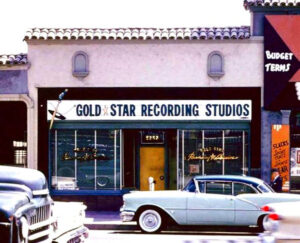

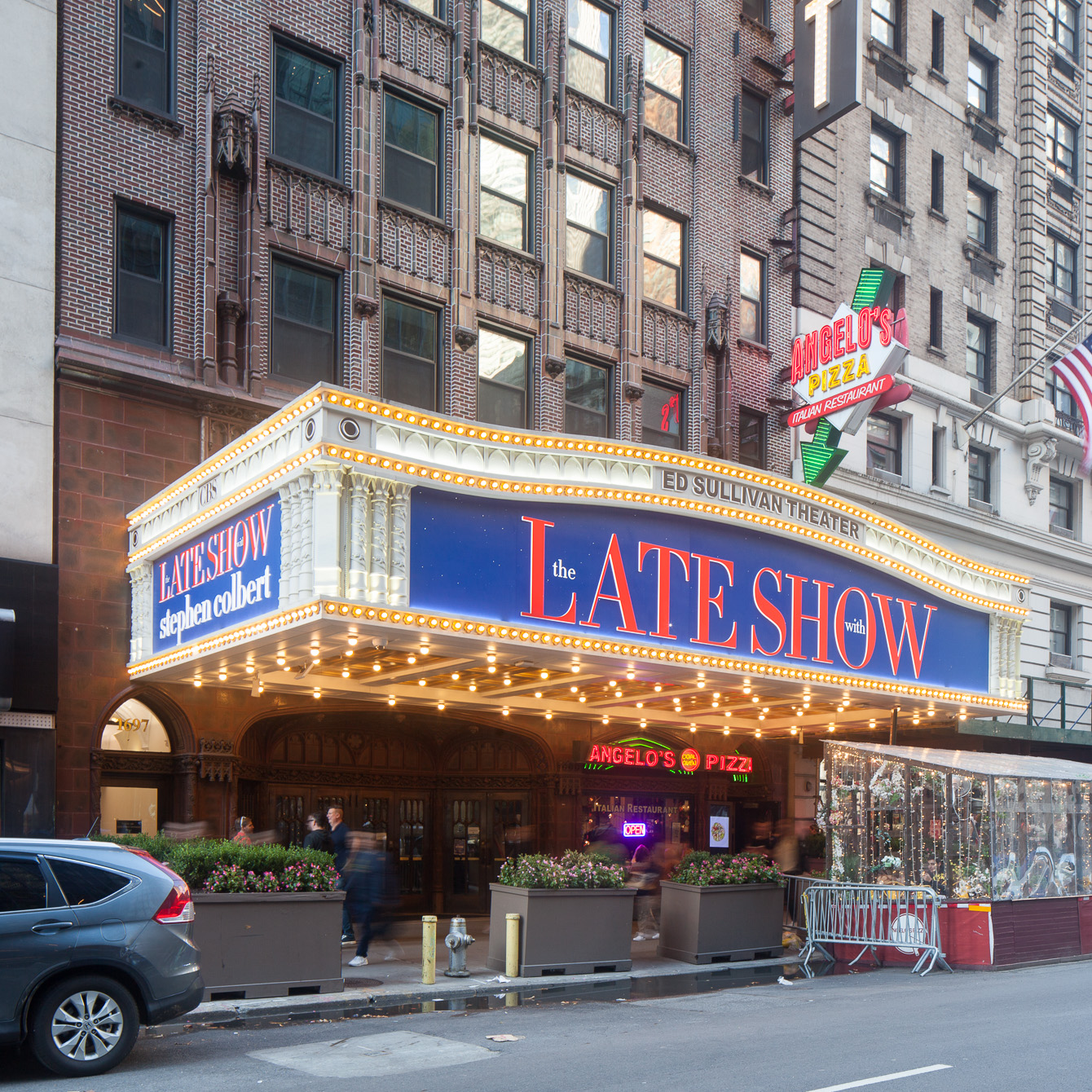


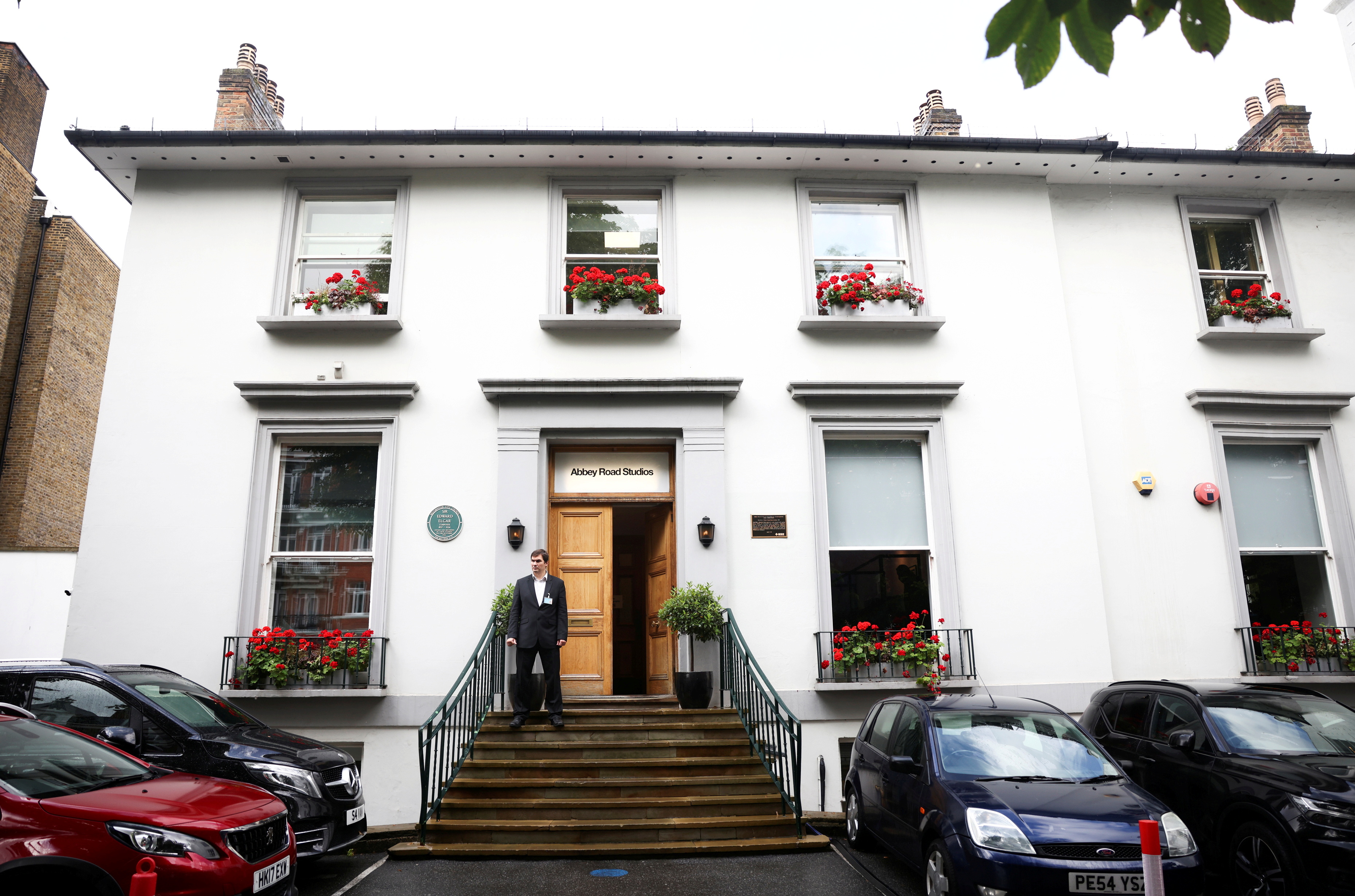


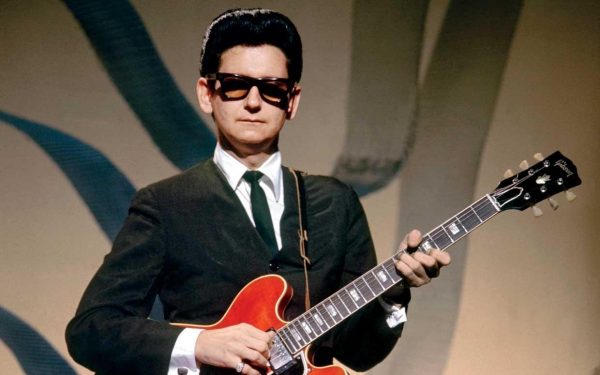
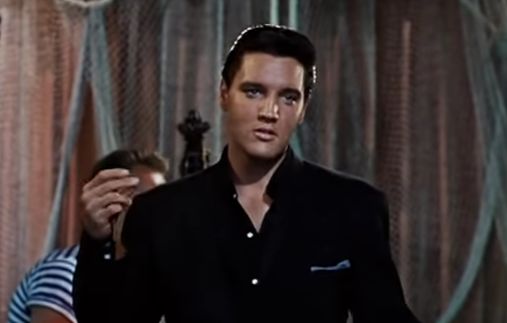

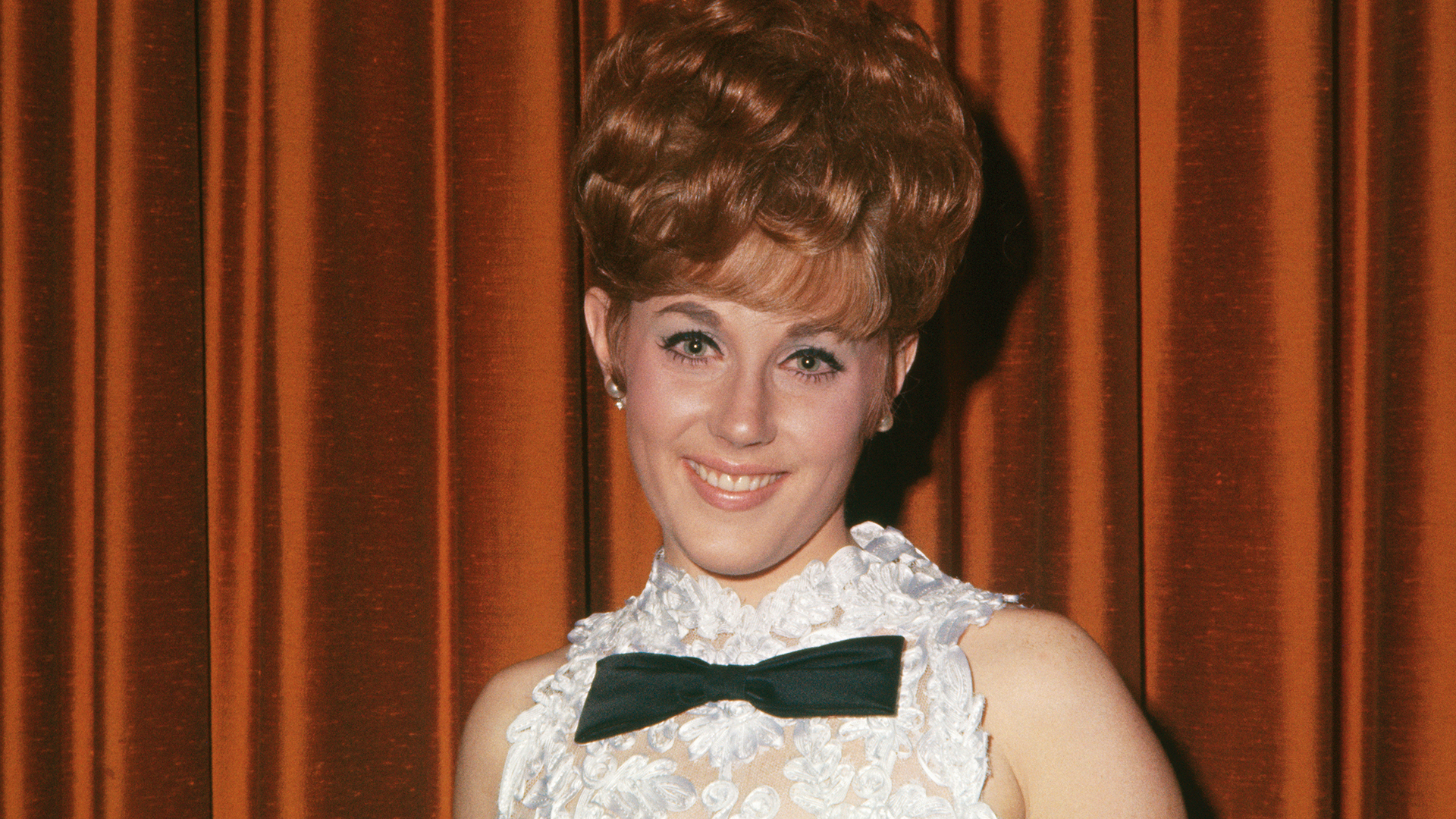


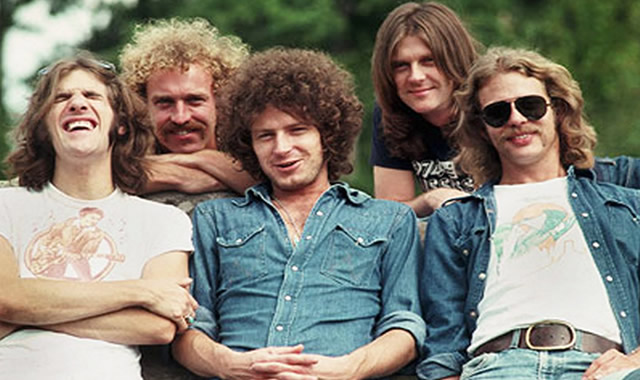



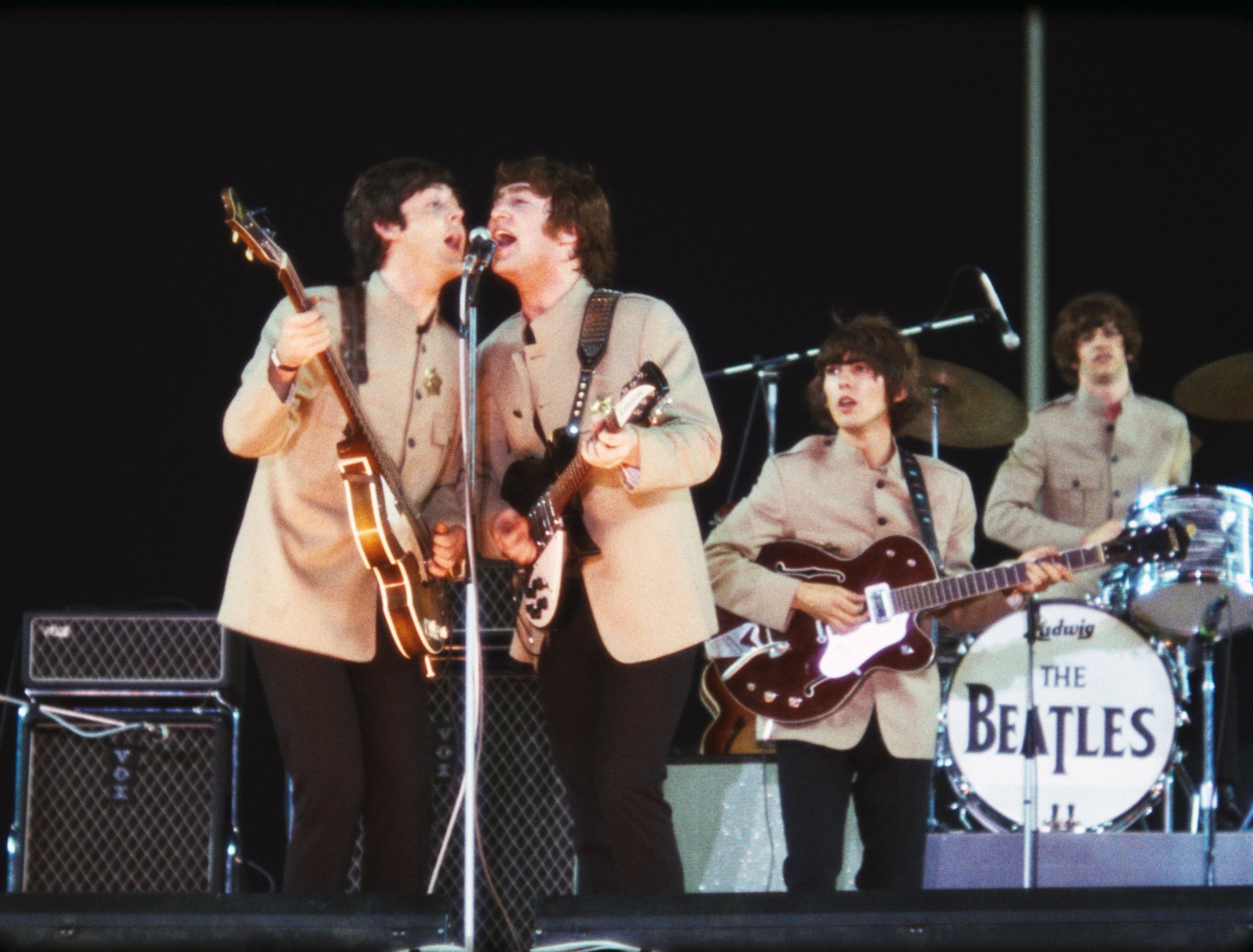





:max_bytes(150000):strip_icc()/gettyimages-92810551-2000-312156db025e470d995ce55afdb4d71d.jpg)